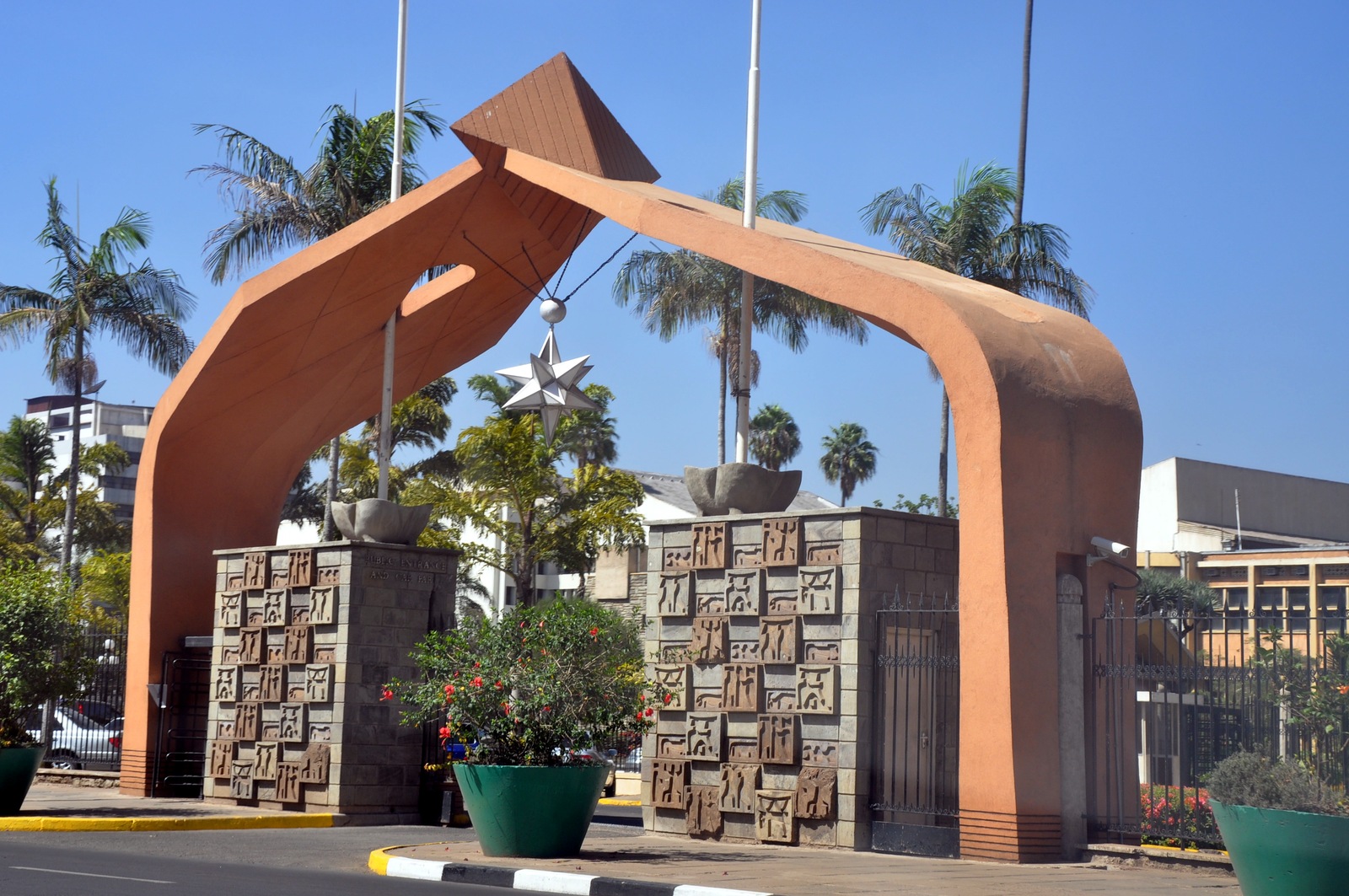
National Assembly Speaker Moses Wetang’ula has called for stronger African climate-financing arrangements, including consideration of a continental fund and contributions linked to natural-resource extraction. The proposal shifts attention to a persistent question: who pays for climate commitments after the speeches are over?
Wetang’ula spoke when a Pan-African Parliament delegation visited Parliament Buildings in Nairobi on 30 September. KBC’s account connects the discussion to work on a Model Law on Climate Change for Africa and reports his call for polluters to contribute to environmental protection.
The meeting did not, in the material reviewed, establish a new tax or an operational continental fund. The remarks set out proposals for further consideration. No collection rate, revenue forecast or disbursement timetable should be inferred from the announcement.
What a model law is meant to contribute
The Pan-African Parliament’s own statement on 8 September describes its climate initiative as an adaptable framework to help African Union member states strengthen national legislation and translate commitments into domestic action.
Its stated scope includes adaptation, mitigation, climate finance, displacement, information, public participation and access to justice. That breadth recognises that climate policy involves institutions and services as well as environmental targets.
A common framework can help lawmakers compare approaches and identify missing provisions. It does not remove the need for national decisions about legal powers, budgets and implementation. Readers should distinguish the development of a model from a binding domestic measure with a commencement date.
That distinction is useful in Kenya’s debate. A proposal supported at an international parliamentary meeting still needs an identifiable route through the institutions that would authorise and administer it. The announcement is the beginning of that scrutiny, not its conclusion.
The scale of the financing problem
The financing concern has substantial evidence behind it. UNEP’s 2025 Adaptation Gap Report estimates developing countries’ annual adaptation needs by 2035 at US$310 billion using modelled costs, or US$365 billion using extrapolated needs expressed in national plans.
The same report records international public adaptation finance of US$26 billion in 2023. These figures refer to developing countries collectively, not Kenya alone, and compare estimated future needs with an earlier measured flow. They should not be presented as Kenya’s budget or as a current unpaid invoice.
They nevertheless show why a discussion confined to additional legal commitments would be incomplete. Governments can identify priorities without having predictable resources to carry them out. A financing proposal has to address both the amount available and the reliability of access over time.
What a fund would need to explain
An African climate fund would require more than a name. Its design would need to identify contributors, eligible activities, allocation rules, decision-makers and oversight. It would also need to explain how its work relates to existing national and international arrangements.
The allocation question is particularly important. A project’s ability to prepare a polished application is not necessarily a measure of how urgently a community needs protection. Any proposed fund would have to decide how technical capacity, vulnerability and expected benefit enter its decisions.
Predictability is another test. A drainage programme, water-management investment or monitoring service may require continuing expenditure. A one-off award can pay for construction without resolving maintenance. The funding rules should distinguish an initial asset from a service that needs support after the opening ceremony.
These are questions for the proposal’s development, not findings that an existing fund has failed. No operational record for the proposed arrangement has been established in the sources reviewed.
Resource revenue needs a transparent route to communities
Linking extraction to environmental funding raises two connected issues: how a charge would be assessed, and how the resulting money would reach its intended purpose. A large collection figure would not, on its own, show that exposed communities benefited.
A transparent arrangement would allow the public to follow receipts, allocation decisions and completed work. It would identify who is responsible where a project stalls and what happens to unused funds. Those details are essential to evaluating whether earmarking revenue has produced the promised result.
The policy also needs an understandable account of costs. Before adopting a particular mechanism, lawmakers would need evidence about its revenue potential, administration and wider effects. Wetang’ula’s remarks do not supply a finished assessment of those questions.
Parliamentary oversight should follow implementation
The Pan-African Parliament’s September statement calls for national legislation, budgets and effective implementation to work together. For Kenyan readers, that places a useful emphasis on parliamentary follow-up rather than treating climate diplomacy as an activity separate from ordinary budget scrutiny.
Political Headache’s Judiciary budget report explains why a funding request, an approved allocation and a delivered service are different stages. Climate finance deserves the same clarity. Each stage needs its own evidence.
The next developments to watch are a published design, a clear legal route and a credible financing assessment. Those would allow citizens to examine the proposal on more than its stated ambition. Until then, the Nairobi discussion is best understood as a call to connect climate law with dependable resources and accountable delivery, rather than confirmation that a new African funding mechanism already exists.
Photo details
WHAT TO WATCH NEXT
- Wetang’ula’s 30 September remarks are proposals, not an enacted tax.
- UNEP’s figures concern developing countries collectively, not Kenya’s budget.