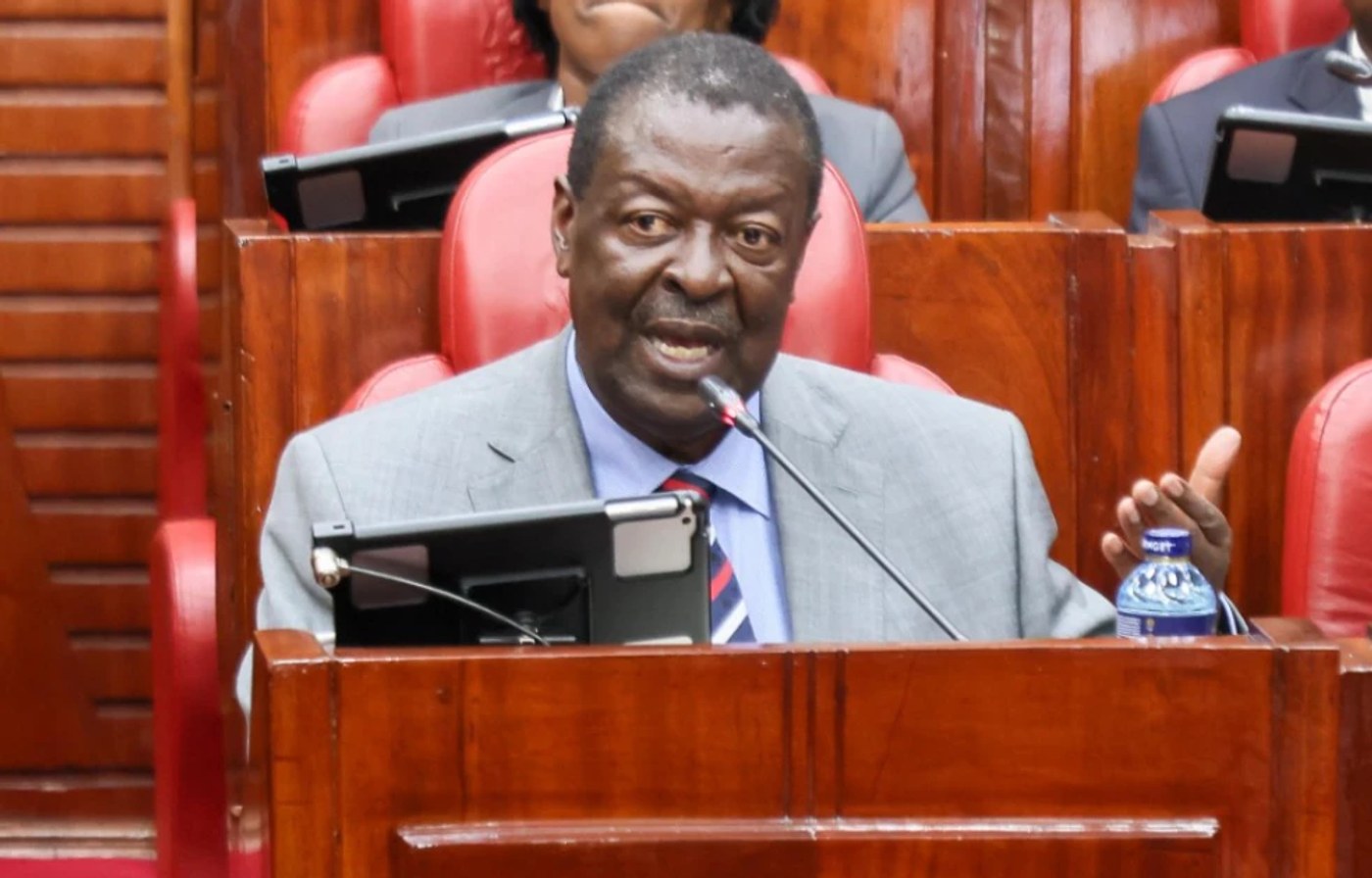
Junet Mohamed has argued that party strength will determine influence in negotiations over broad-based political cooperation, warning leaders of smaller formations against assuming they will command equal bargaining power.
People Daily reported the remarks on 10 October amid discussion of cooperation involving ODM and UDA.
Junet pointed to the importance of organised political support in determining who gets heard in alliance talks. His comments promote a negotiating position; they do not establish the final membership or terms of a future coalition.
For voters, the unresolved issue is what any agreement would contain beyond arrangements among party leaders. Formal decisions, participating parties and a public programme would provide a clearer basis for judging its purpose.
The remarks underline how preparations for the next election involve both competition for votes and negotiation among organisations seeking a place in government.
Political Headache analysis: bargaining power and public purpose
Junet's argument describes alliance negotiations as a contest in which stronger organisations have more influence. That is a political position about how leaders should bargain. It does not answer a separate question voters may ask: what would the agreement deliver, and how would its participants be held to their promises?
The distinction matters because negotiations can be discussed almost entirely in terms of who gets a seat at the table. A public-interest account should also examine what is on the table. Leadership positions, electoral arrangements and policy commitments are different parts of a possible deal, and their status should be reported separately.
The remarks do not establish that a final agreement has been reached. They indicate how one participant wants the relative strength of parties understood. Until formal decisions and terms are available, it would be inaccurate to present a negotiating argument as the settled architecture of a future government or coalition.
What does party strength mean?
Strength can refer to elected representation, membership, local organisation, financial capacity or public support. Those measures overlap, but they are not identical. A leader who relies on one measure should explain it so readers can assess the claim rather than assume that every measure points in the same direction.
Smaller formations may also argue that they bring particular constituencies, policy ideas or organisational capacity. Those claims deserve evidence rather than automatic acceptance or dismissal. The relevant question is what each participant can demonstrate, not simply the label assigned to it by a rival or prospective partner.
A consistent account would avoid treating communities as blocks of votes controlled by a single negotiator. Leaders can make endorsements and organise campaigns, but voters retain their own choices. An alliance announcement therefore cannot establish in advance how all the people associated with its participants will vote.
From private talks to an accountable programme
Formal party decisions would help clarify who has authority to negotiate and approve an agreement. Members should be able to distinguish a leader's personal proposal from an adopted party position. Clear communication would reduce uncertainty when different participants describe the same discussions in different terms.
The programme itself should explain the priorities the partners share and how they would manage disagreement. A list of broad aspirations may leave important trade-offs unresolved. More specific commitments would make it possible to assess whether cooperation has a purpose beyond allocating influence among the participating leaders.
Public reporting should also distinguish a proposal from a signed agreement and a signed agreement from implementation. Each stage answers a different question. Confusing them can make an alliance appear more settled or more effective than the evidence supports.
What voters should be able to follow
If negotiations progress, voters would benefit from a clear account of the participating parties, the approval process and the commitments made in their name. They should also be able to see which matters remain unresolved. Acknowledging uncertainty is more informative than using the language of finality before decisions have been taken.
Junet's warning is therefore a useful indicator of the bargaining position he is advancing, but not a complete explanation of what any future arrangement would mean. The next substantive development would be a public agreement that can be examined on its terms, followed by evidence of how those terms are carried out.
That is where the political argument about influence meets the public question about results. Party strength may shape who can negotiate, but an accountable programme is what would allow voters to judge the value of the outcome.
Photo details
WHAT TO WATCH NEXT
- Formal party decisions and publication of any proposed agreement.
- Specific policy commitments attached to the alliance negotiations.