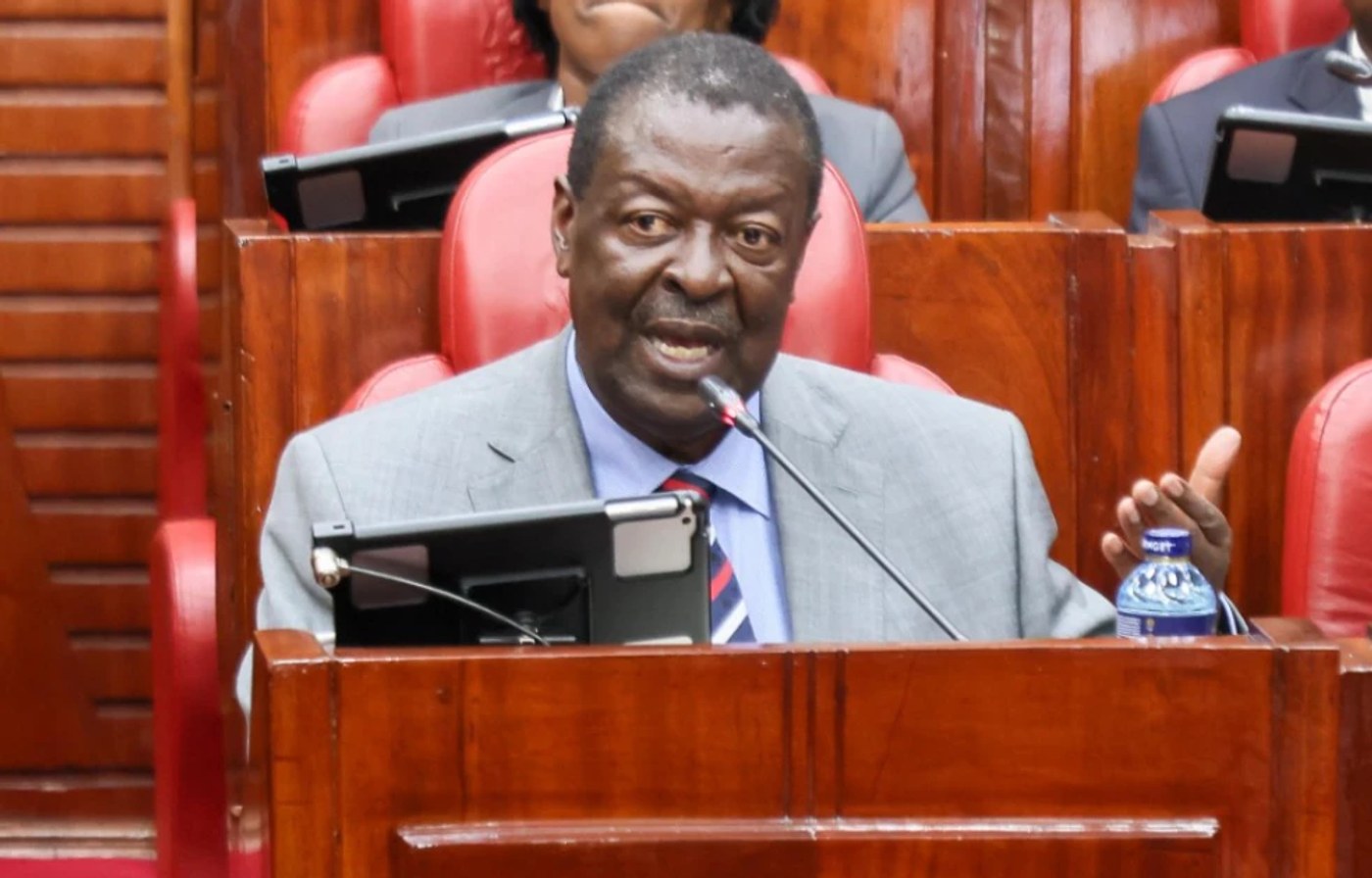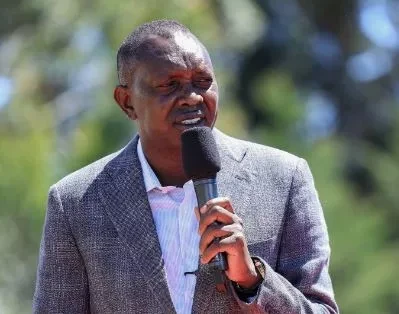
Kapseret MP Oscar Sudi has raised the prospect of a future contest to succeed William Ruto while maintaining his support for the President’s re-election.
The Star reported that Sudi spoke during a church gathering on Sunday, 11 October. He said leaders would eventually sit down and use a nomination to establish who commanded more votes.
The remarks hint at his interest in the longer-term leadership conversation. They do not amount to a completed nomination, a confirmed presidential ticket or an announced timetable for succession.
The immediate distinction is between support for Ruto’s next election campaign and competition over what follows it. Sudi’s statement leaves the latter to a future political process.
Any formal bid would require clearer commitments about the office sought, party procedures and timing.
Political Headache analysis: succession talk has several stages
A remark about future leadership can draw attention because it invites listeners to imagine a contest beyond the current campaign. But political interest, a declared candidacy and a completed nomination are different stages. Sudi's statement should be understood at the stage supported by the evidence rather than promoted into a more definite announcement.
The immediate position described in the report remains support for Ruto's re-election. The succession discussion concerns what might follow. Keeping those timelines separate prevents readers from mistaking speculation about a later contest for a challenge that has already been formally launched.
That distinction does not make the remarks unimportant. They show how a politician wants a future process discussed. The reference to votes and nomination invites questions about who would participate, which organisation would manage the process and how competing ambitions would be resolved.
A process needs rules before it can settle a contest
The word nomination can cover different arrangements. Without a stated procedure, readers cannot know who would be eligible, how support would be measured or what safeguards would apply. Those details would matter far more to the credibility of a future contest than a general promise that leaders will sit down together.
A transparent timetable would also be important. Aspirants, members and voters need to distinguish informal consultations from decisions with formal consequences. Announcements should make clear whether an organisation is merely discussing options or has adopted a process that participants are expected to follow.
The report does not provide evidence that such rules or a timetable have been agreed for the succession Sudi discusses. It would therefore be premature to describe his remarks as establishing a nomination contest. They open a political question whose institutional details remain to be explained.
Ambition still needs a programme
Any politician seeking a larger leadership role can be asked what problems they would prioritise and what record supports their claim. Visibility and proximity to power may help attract attention, but they do not by themselves explain a governing programme. A substantive bid would need to address that gap.
This applies equally to established national figures and leaders who are only beginning to signal wider ambitions. Voters gain more from comparing clear proposals and evidence of delivery than from treating succession as a contest of personalities alone. Political reporting should make room for those questions even when the initial remark is designed to be memorable.
It is also possible for a politician to influence a succession debate without becoming a candidate. Public statements may be intended to shape expectations about procedure or bargaining. Unless the speaker makes the intended role explicit, reporting should avoid claiming certainty about a plan that has not been announced.
What would count as a clearer declaration?
A direct statement identifying the office sought, the intended electoral timing and the party route would provide a firmer basis for describing a bid. Formal party action could then establish whether that bid has entered a recognised process. Those developments would change the status of the story in ways that another ambiguous remark might not.
For now, Sudi has linked his support for the President with a suggestion that a later leadership question should be settled through nomination. That is the defensible description of the intervention. It leaves open who would contest, when they would do so and what rules would govern the choice.
Following those unresolved questions is more useful than declaring a succession outcome in advance. It allows political ambition to be reported without making voters mistake a possible future contest for an event already underway.
Photo details
WHAT TO WATCH NEXT
- Whether Sudi formally declares an intention to seek the presidency.
- What nomination rules the relevant party adopts for future leadership contests.