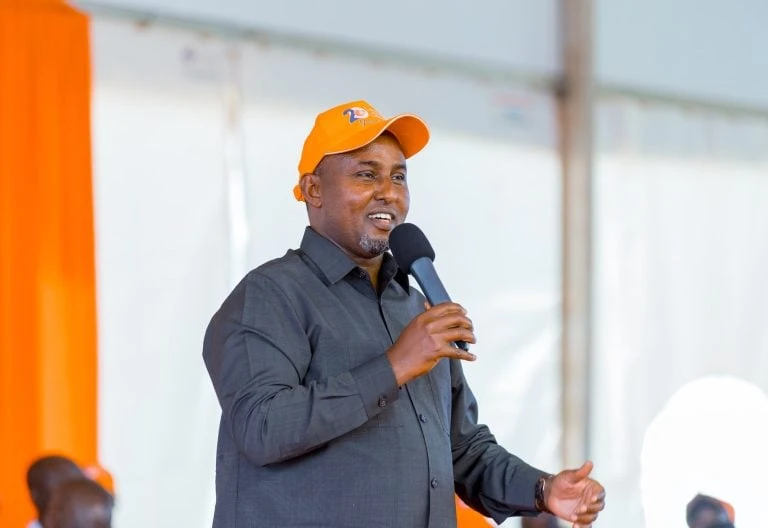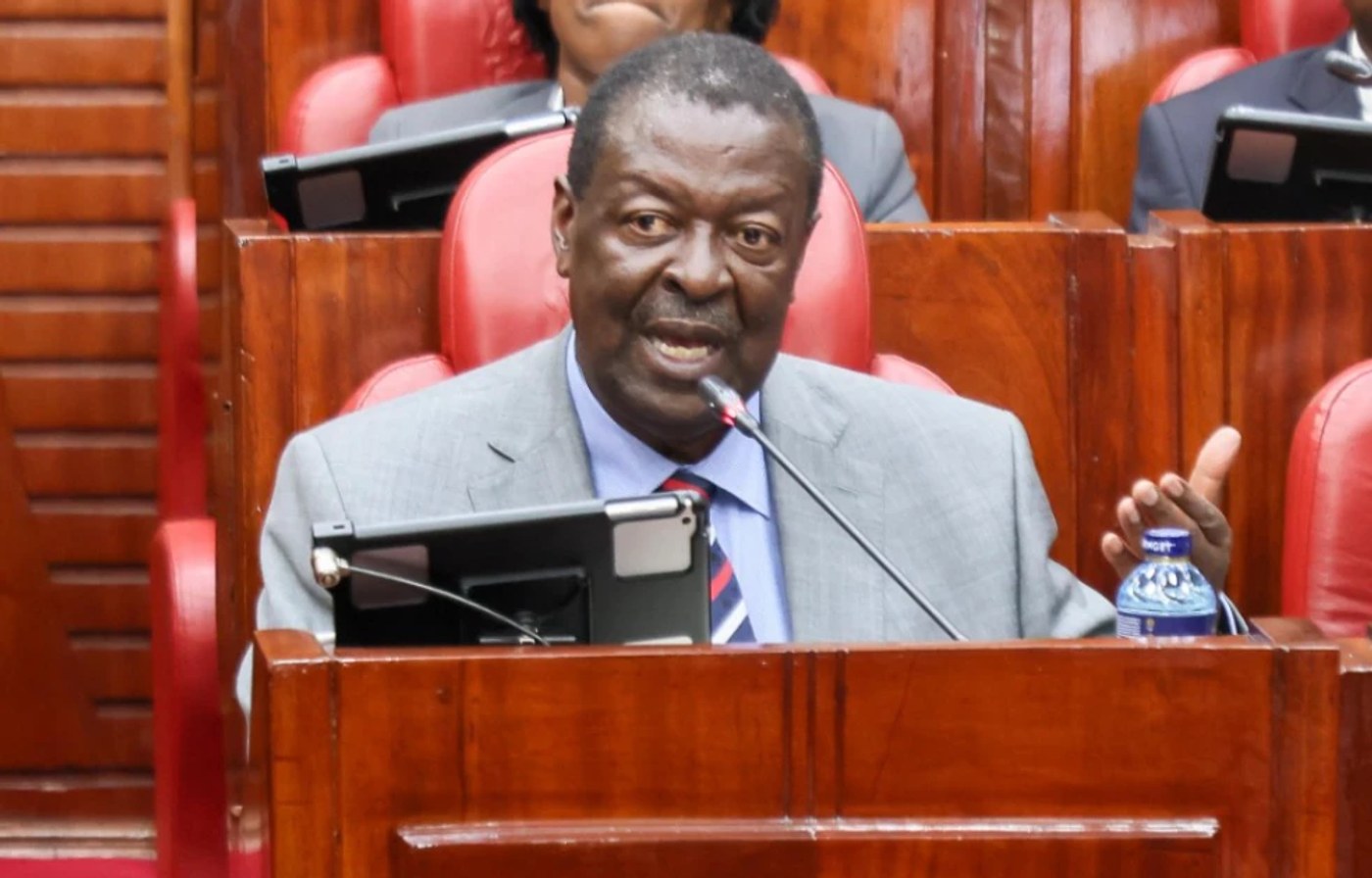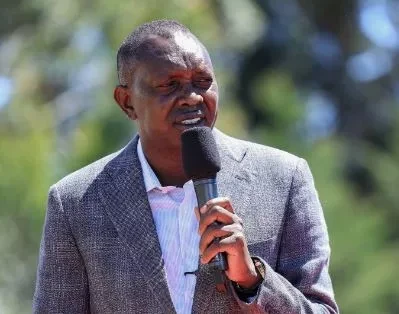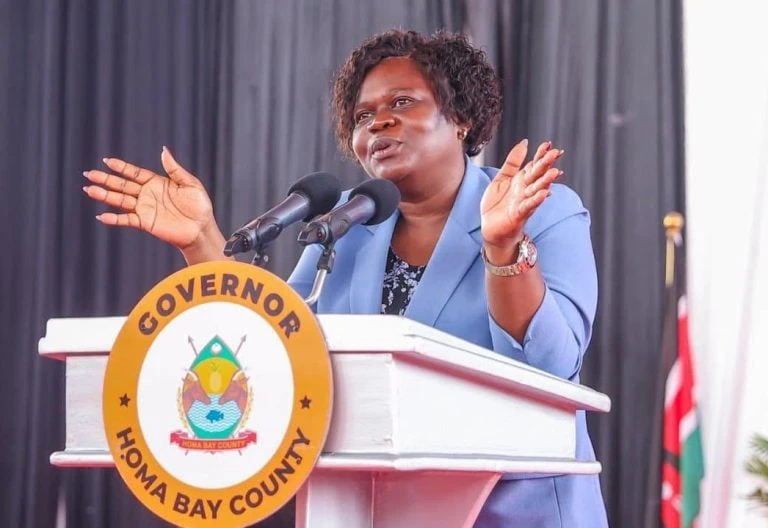
ODM chairperson Gladys Wanga has urged party leaders to stand together, arguing that the organisation’s future depends on collective responsibility.
Speaking in Busia on Sunday, 11 October, the Homa Bay governor rejected suggestions that defections and internal disagreements had left ODM without political strength, according to People Daily.
She pointed to elected leaders who remain with the party and said they had helped sustain its organisation during the transition following Raila Odinga’s death.
Wanga’s remarks are a defence of the party’s position. Claims about its strength should be assessed through verified membership, functioning structures and electoral performance, rather than declarations alone.
Her appeal places responsibility on the wider leadership to settle differences and maintain a shared direction. It also raises the question of how the party will accommodate disagreement while presenting a coherent programme to voters.
Political Headache analysis: unity needs a method
Calls for leaders to stand together are familiar during a party transition, but they can mean different things. Unity might refer to agreement on leadership, policy, electoral partnerships or simply the tone of public debate. A useful account should identify which disagreements are being addressed and how the party proposes to resolve them.
Wanga's appeal emphasises collective responsibility. Its practical test is whether the organisation has a way to make decisions that members recognise as legitimate. A public appearance by several leaders can signal cooperation, but it cannot on its own demonstrate that the underlying disagreements have been settled.
There is also a difference between a party's elected representation and its future electoral support. Officeholders are an important part of its organisation, but their presence does not establish how every voter will respond at the next election. Claims of strength should therefore identify the measure being used rather than blend several different ideas together.
Structures matter during a transition
Formal leadership bodies can provide a route from individual statements to a party position. Their decisions are easier for members to understand when the process, participants and outcome are clearly communicated. That is especially valuable when different leaders offer competing interpretations of the organisation's direction.
Local structures matter as well. Members need to know where meetings take place, who represents them and how concerns reach the leadership. A party can attract national attention while still needing to demonstrate how its everyday organisation works outside major events.
This analysis does not establish that any particular structure is absent or inactive. It identifies evidence that would help assess the broad claim of unity: functioning meetings, clear decisions, accessible communication and a recognised process for handling disputes. Those are more informative than declaring the party either finished or unshakable on the strength of one speech.
Disagreement does not have to be invisible
A party can have a shared programme while members disagree about strategy. The important question is how those disagreements are managed. Clear procedures can allow debate without leaving every public difference to become a personal confrontation or an unresolved contest over who speaks for the organisation.
The pressure to project unity can also make it tempting to treat criticism as disloyalty. A more durable approach would explain which questions remain open for discussion and which decisions have been formally taken. That clarity would help members understand both their freedom to argue and their responsibilities within the party.
For voters, the substance of the common programme matters as much as the relationship among leaders. A statement of shared priorities would show what unity is intended to achieve beyond preserving positions or presenting a united photograph. It would also create a basis for assessing whether future decisions remain consistent with those priorities.
The evidence after the speech
The next useful developments would be decisions from the relevant party bodies and clear communication to members about their implications. If reconciliation efforts are underway, their practical outcomes would matter more than declarations that all differences have disappeared. If differences remain, acknowledging them accurately would improve the public account.
Wanga's intervention is therefore significant as a call for collective leadership, but its success cannot yet be inferred from the statement itself. The stronger test is whether the organisation can turn that appeal into workable decisions, sustained local activity and a programme that members and voters can recognise. Those developments would show what standing together means in practice.
They would also make it possible to evaluate the party over time using consistent evidence rather than the mood of its latest public gathering.
Photo details
WHAT TO WATCH NEXT
- Decisions by the party’s formal leadership bodies on its direction.
- Whether efforts at unity include mechanisms for addressing internal disagreements.