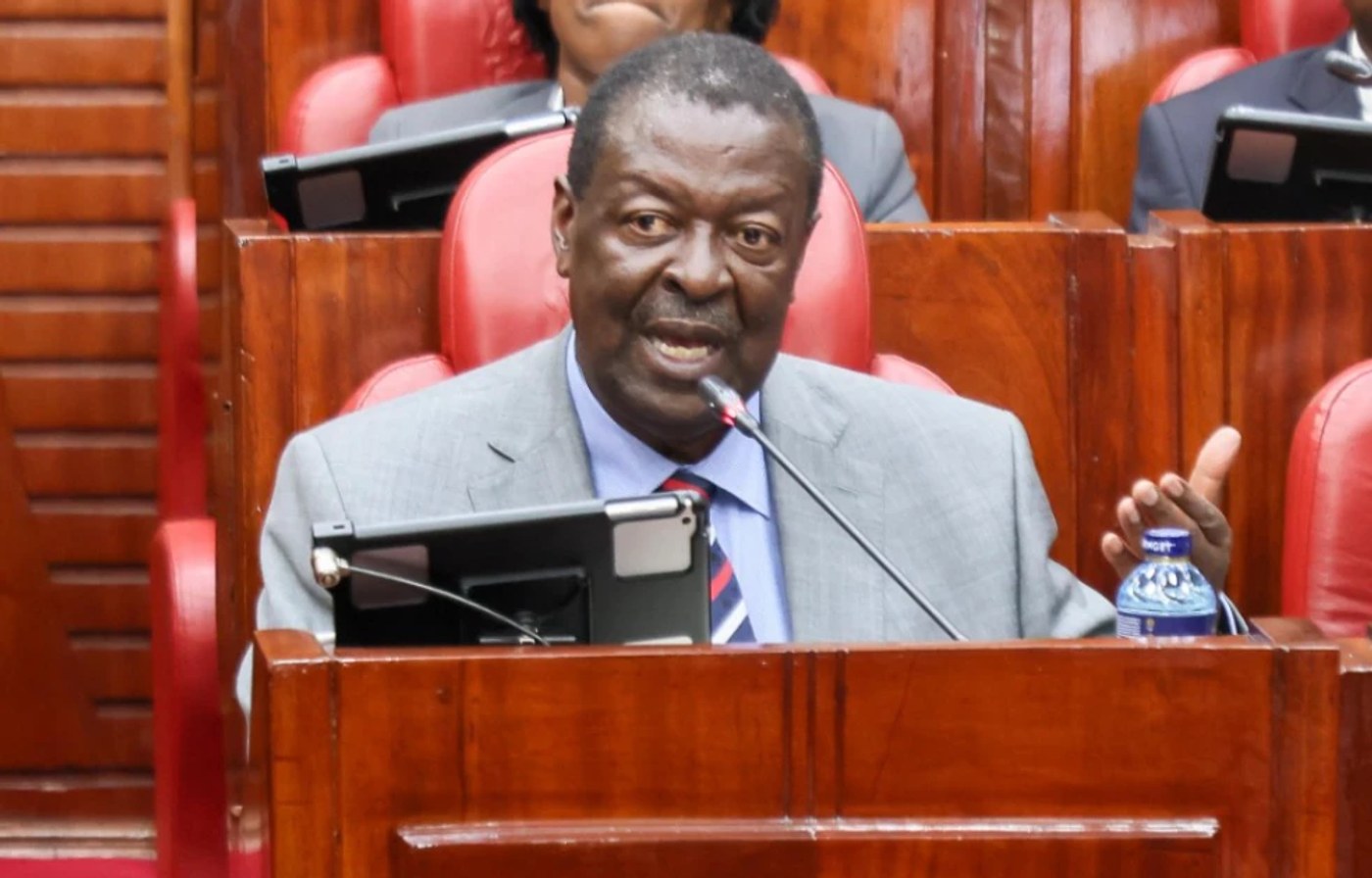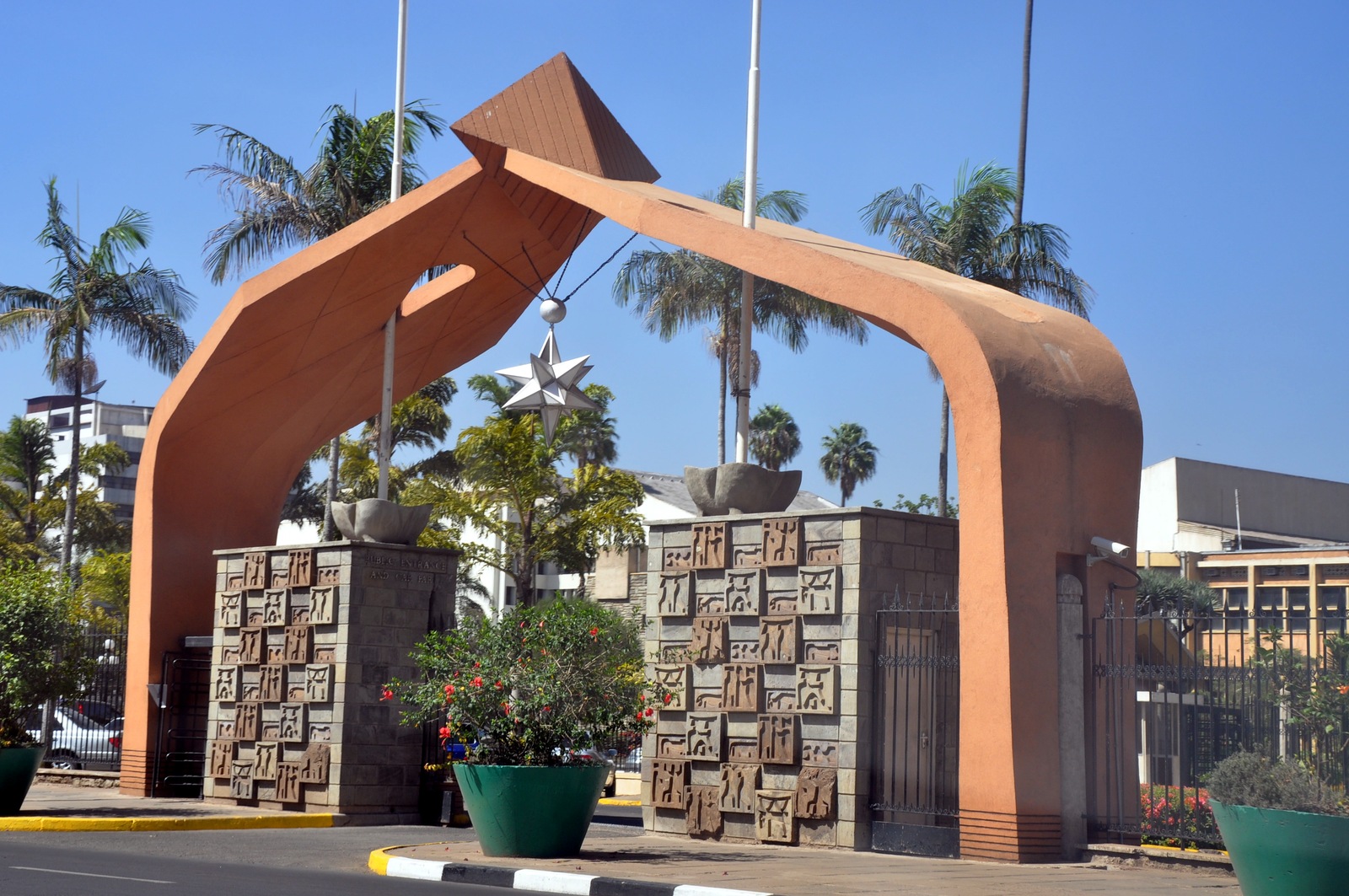
Kenya’s Judiciary has put a Sh50.7 billion funding requirement before the public for the 2027/28 financial year, making preparations for election disputes part of a wider argument about access to justice. The Judicial Service Commission is separately seeking Sh1.833 billion. Neither figure is an approved allocation.
Chief Registrar Winfridah Mokaya outlined the requirements at a joint public hearing at Kajiado Law Courts on 29 September. The Judiciary’s official account, published on 30 September, identifies election preparedness, case backlogs, court infrastructure, staffing, technology and alternative dispute resolution among the priorities.
The distinction between a request and an allocation is central. This hearing gives citizens an opportunity to question priorities before spending decisions are finalised. It does not establish that Parliament has provided the money, that it has reached court stations, or that any particular service has improved.
Why an election budget is also an everyday justice question
Election petitions can place concentrated demands on a court system. Yet courts must continue handling family disputes, commercial claims and criminal proceedings while political cases attract national attention. The policy question is how preparations can strengthen the institution without displacing people whose cases have no election connection.
That is an accountability test for the proposed expenditure. A useful budget should explain which costs arise specifically from election preparations and which would be necessary in any year. Training for election disputes and investment in a court building serve different purposes, even when both contribute to preparedness.
The Judiciary’s announcement brings both categories into the same discussion. It does not provide a costed breakdown in the news release. Readers should therefore resist treating the entire Sh50.7 billion as an election-petition bill. The stated requirement covers the institution’s broader constitutional work.
Who decides what the Judiciary receives?
Article 173 of the Constitution establishes the Judiciary Fund, administered by the Chief Registrar. It requires expenditure estimates to go to the National Assembly for approval and provides for approved funds to be paid directly into that fund.
This arrangement matters because judicial independence involves the ability to operate institutions as well as the freedom to decide cases. It also places spending within a public approval process. Independence does not remove the obligation to explain what money is for or demonstrate how it was used.
The Judiciary Fund Act expressly links financial and operational independence with accountability and adequate resources. It makes the Chief Registrar responsible for effective, efficient and economic use of the fund, subject to public-finance requirements.
For a reader following the budget, the sequence is therefore important: identify the proposed requirement, follow the parliamentary decision, then track implementation. A headline about the first stage should not be read as proof that the later stages have happened.
Read the proposal, not just the headline figure
The Judiciary has published a draft medium-term budget report for 2027/28–2029/30. Its listing is dated 14 September, before the Kajiado hearing. The draft is the starting point for examining the proposal in greater detail; the public statement is a summary of the institution’s case.
When comparing budget documents, readers should check the financial year and whether each figure is a requirement, an approved allocation or actual expenditure. Comparing a request in one year with expenditure in another can produce a dramatic percentage that tells readers little about the resources actually available.
Another useful distinction is between recurrent and development spending. Running an existing service requires different commitments from building a new facility. Announcing a court building without explaining future staffing and operating costs would leave part of the service question unanswered.
Those are questions to put to the proposal, rather than findings of a defect in it. The available announcement does not establish that a particular expenditure is wasteful or that any specific court has received too little. Such conclusions require the relevant records and a fair comparison.
Technology needs a service test
Digital systems can change the experience of filing and following a case. Their value should be assessed through practical measures: reliability, accessibility, clear help arrangements and the ability to recover when something fails. A technology purchase and a functioning service are different achievements.
For people without dependable connectivity, a digital service also needs a workable route to assistance. An online process that saves travel for one court user can create an obstacle for another. Budget scrutiny should ask how the proposed service will accommodate both situations.
Cybersecurity spending presents a similar challenge. Its benefits may be less visible than a new building, but protecting records and keeping services available are important operational tasks. The public should be able to understand the purpose and accountability arrangements without requiring disclosure of sensitive technical safeguards.
What citizens should watch next
The useful next documents are the refined estimates, the approved allocation and subsequent reports on delivery. These would allow readers to distinguish an institution’s stated need from the resources Parliament authorises and the results court users experience.
Public feedback should also be traceable. A hearing is more informative when the institution explains which concerns changed its priorities and why others could not be accommodated. That would make participation part of decision-making rather than simply a record of attendance.
Political Headache’s reporting on Senate scrutiny of Kilifi’s pending bills raises a related principle: financial claims become easier to assess when the underlying records, responsible institution and next decision are clear.
For the election-year justice budget, the central question is not whether a large request sounds impressive. It is whether the eventual resources support timely, accessible justice, with an understandable account of what was funded and what changed for the people using the courts.
Photo details
WHAT TO WATCH NEXT
- The Sh50.7bn Judiciary requirement and separate Sh1.833bn JSC request are proposals, not approved allocations.
- Watch the refined estimates, parliamentary approval and subsequent delivery reports.