Uganda's government has ordered the arrest of citizens shown in a television investigation crossing into Kenya to register as voters ahead of the 2027 General Election.
Speaking on Wednesday, 7 October, Uganda's First Deputy Prime Minister Rebecca Alitwala Kadaga directed authorities in districts bordering Kenya to stop Ugandans from crossing for political or electoral activities. The districts named were Bukwa, Moroto, Amudat, Namisindwa, Busia, Tororo, Namayingo and Buikwe.
"We should ensure that Ugandan citizens within those boundaries are not crossing to Kenya or otherwise involving themselves in political or electoral activities," Kadaga told a media briefing on Uganda's security.
She said Uganda respects Kenya's sovereignty and expects the same in return, and that Ugandans cannot hold allegiance to both countries. "You cannot vote both in Kenya and Uganda," she said.
How the claims began
The order followed a television exposé in late September alleging that Ugandan nationals were obtaining Kenyan identification documents and registering as voters. The investigation focused on the Suam border area.
The investigation also alleged that a Directorate of Criminal Investigations officer had intercepted a vehicle carrying election-related materials on 18 April and was later transferred to Nairobi.
The DCI rejected that account. In a statement on 28 September, it said no officer was involved, no occupants were questioned, no IEBC materials were seized and no officer was moved because of an electoral investigation. "These allegations are false, inaccurate and wholly without foundation," the DCI said. It also said it would raise the matter with media regulators.
What the IEBC says
The Independent Electoral and Boundaries Commission has also dismissed the claims. It described reports of foreigners being registered, illegal voter transfers and use of data from dead voters as "unsubstantiated and untrue" in a statement in late September.
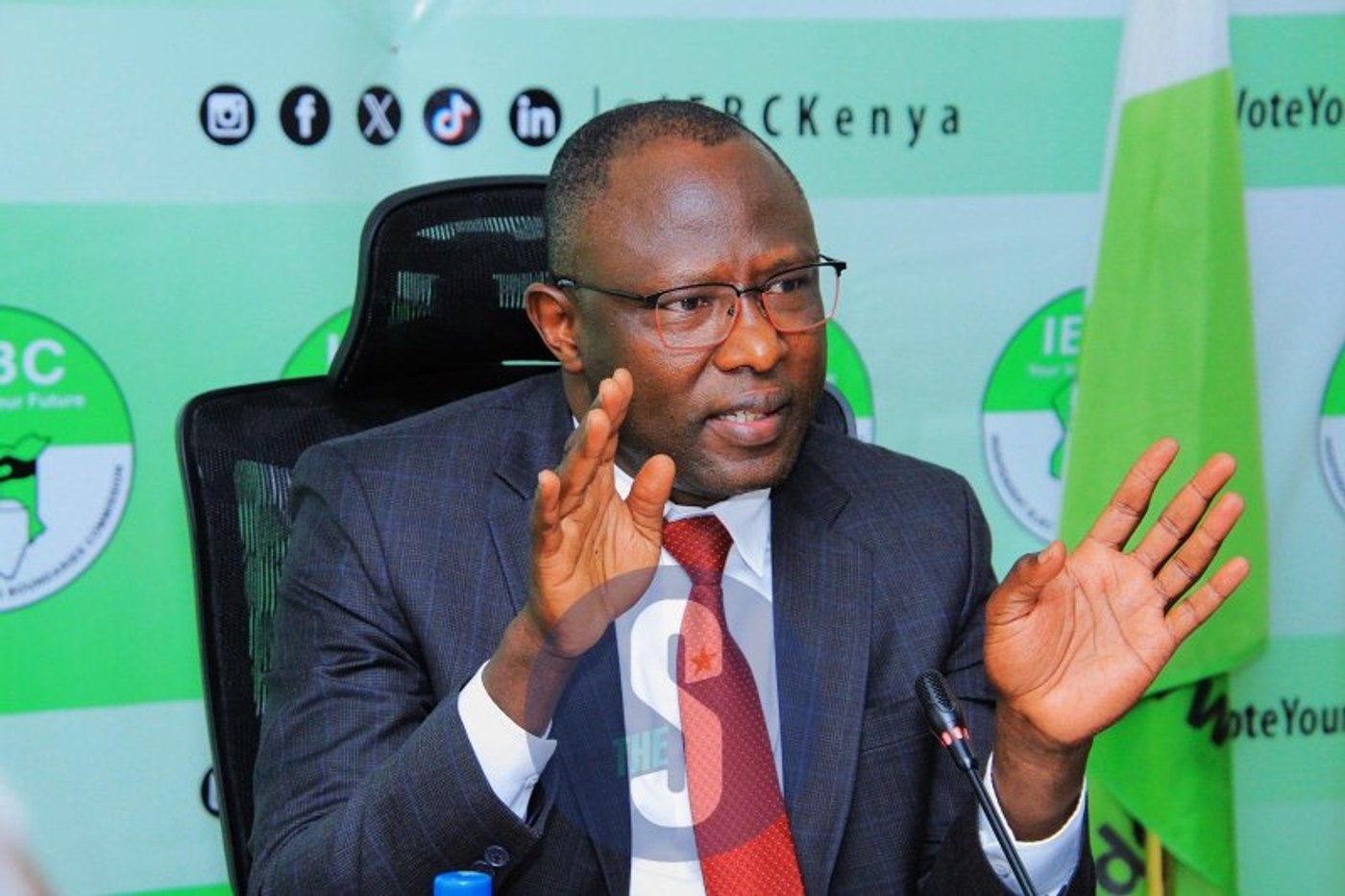
IEBC Chairperson Erastus Ethekon said the commission would act, including through disciplinary measures and referral for prosecution, if credible evidence of malpractice was brought to it.
The commission pointed to an important limit on its role. It registers eligible citizens who present a valid Kenyan ID card or passport, but it does not issue those documents. That job belongs to the national registration and immigration departments under the Interior Ministry.
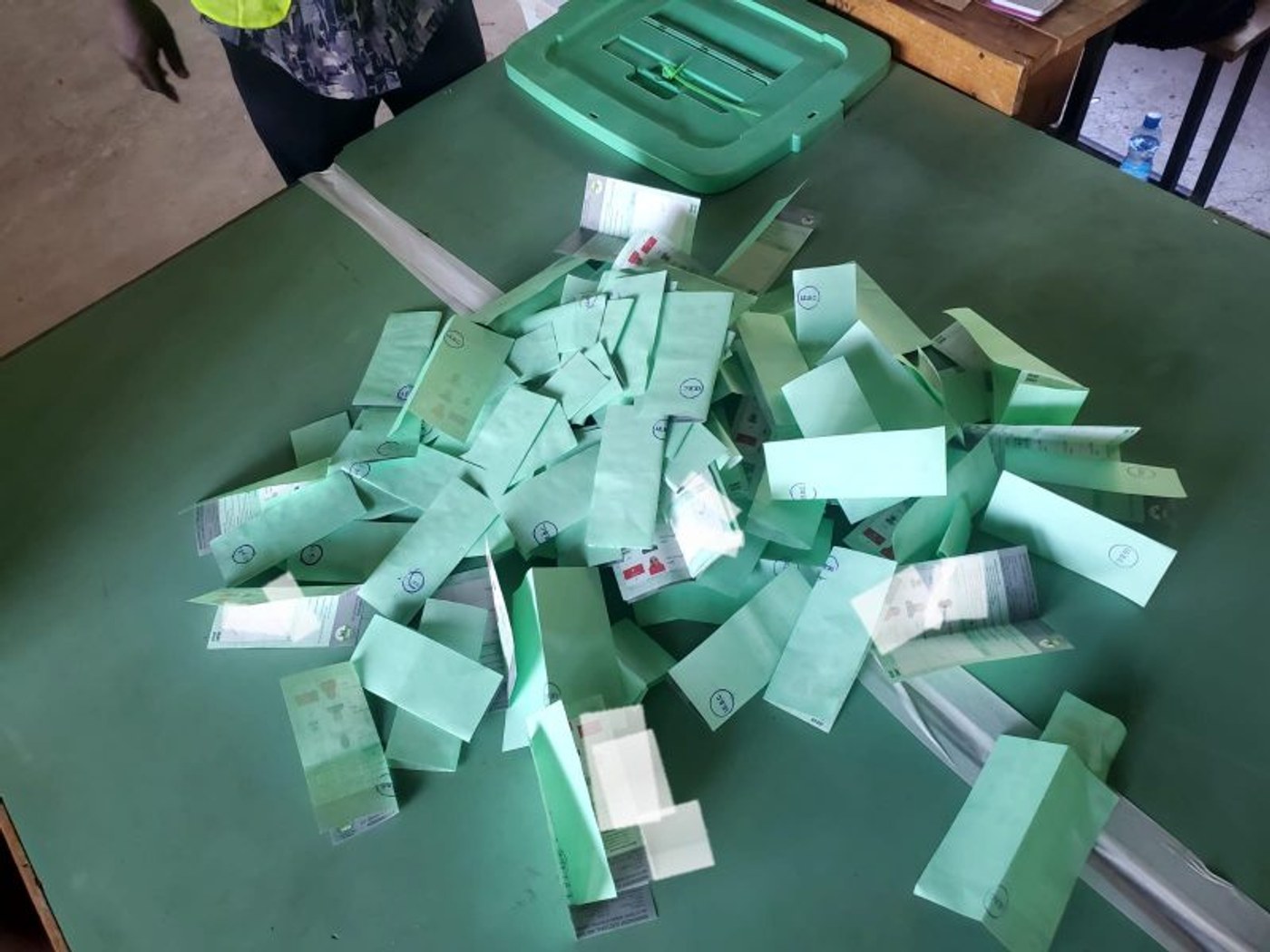
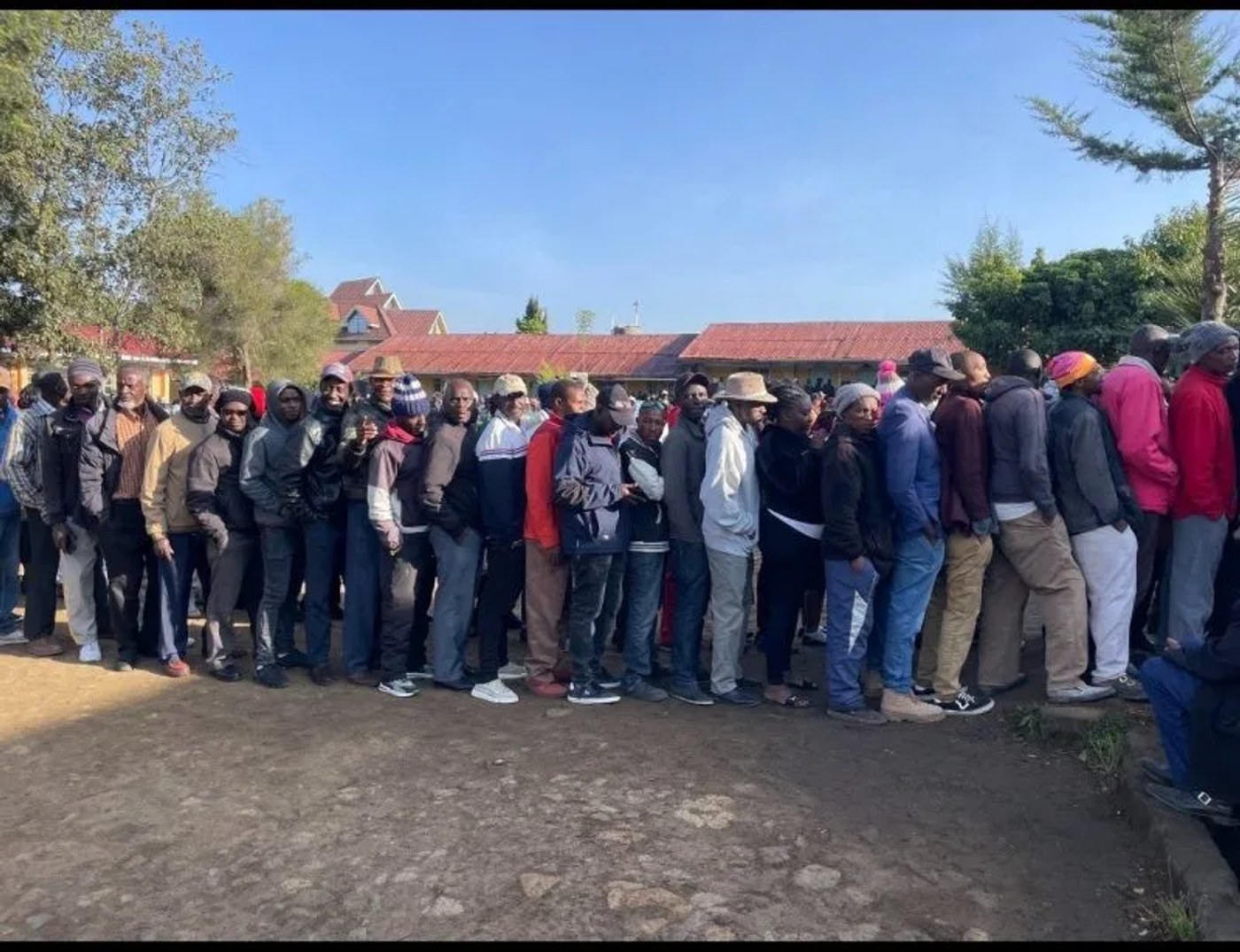
Continuous voter registration has been running since 29 September 2025 in all 290 constituencies, and the IEBC said more than 2.6 million new voters had been registered since the current commissioners took office.
Where the weak point really is
Taken together, the statements point to the real question. If any foreign national is on the register, the likely route is not the IEBC desk but the ID card behind it. A person holding a genuine Kenyan ID, however it was obtained, will pass a registration clerk's check.
That makes the integrity of the identity system, especially in border counties, central to trust in the 2027 register. It also means the IEBC's denial, while important, cannot settle the matter alone.
Kadaga's own remarks complicate the picture. Ordering arrests implies Kampala believes at least some of its citizens did cross to register. Separately, the ruling NRM party's chairman in Uganda's Busia District, Isaac Muwanguzi, has said some residents in the border area are believed to hold identity documents from both countries, as the party urged its members to stay out of Kenyan politics.
Border communities have deep family and trade ties, and many people have legitimate claims to Kenyan citizenship. Any audit must avoid turning suspicion on whole communities because of where they live or the languages they speak.
Politics of the register
Claims about the register carry political weight. Opposition leaders have repeatedly questioned the IEBC's independence, while government-aligned figures have defended it. A dispute over foreign voters can be used by either side to explain a result before a single vote is cast.
That is why evidence matters more than statements. Neither the television investigation's claims nor the official denials have yet been tested by an independent process.
For Uganda, the directive also serves a diplomatic purpose. Kadaga framed it as respect for a neighbour's sovereignty, and her government has an interest in showing that it is not a party to any scheme, whatever individuals may have done.
What would build confidence
The IEBC could commission an independent audit of the register in border constituencies and publish the method and results, as it has done with external auditors before past general elections.
The registration and immigration departments could say how many IDs were issued in border sub-counties in the past year, and whether any were flagged or revoked after vetting.
Kenyan authorities could also seek details from Uganda of any arrests made under Kadaga's directive, and what those arrested are alleged to have done.
What to watch
First, whether Uganda makes any arrests and publishes details. Second, whether the IEBC or Parliament orders a targeted audit of the register in border areas. Third, whether the Media Council or courts are asked to rule on the DCI's complaint against the original broadcast.
Until then, voters are left with two sets of confident claims pointing in opposite directions.
Kenya's own institutions have the most to lose from that uncertainty. A register that is audited in public, with clear findings either way, protects the IEBC as much as it protects voters. If the claims are false, an audit clears the commission. If any are true, finding them now, long before August 2027, is far better than arguing about them in an election petition afterwards.
Photo details
WHAT TO WATCH NEXT
- Uganda's First Deputy PM Rebecca Kadaga ordered border districts to stop Ugandans crossing to take part in Kenyan electoral activities.
- The move follows a late-September television exposé alleging Ugandans obtained Kenyan IDs and registered as voters.
- The IEBC and DCI have both rejected the claims as unsubstantiated.
- The IEBC registers holders of Kenyan IDs but does not issue them, putting the identity system at the centre of the dispute.