The Independent Electoral and Boundaries Commission has suspended its tender for new election technology again, after a fresh request for review was filed with the Public Procurement Administrative Review Board, the commission said in a notice to bidders.
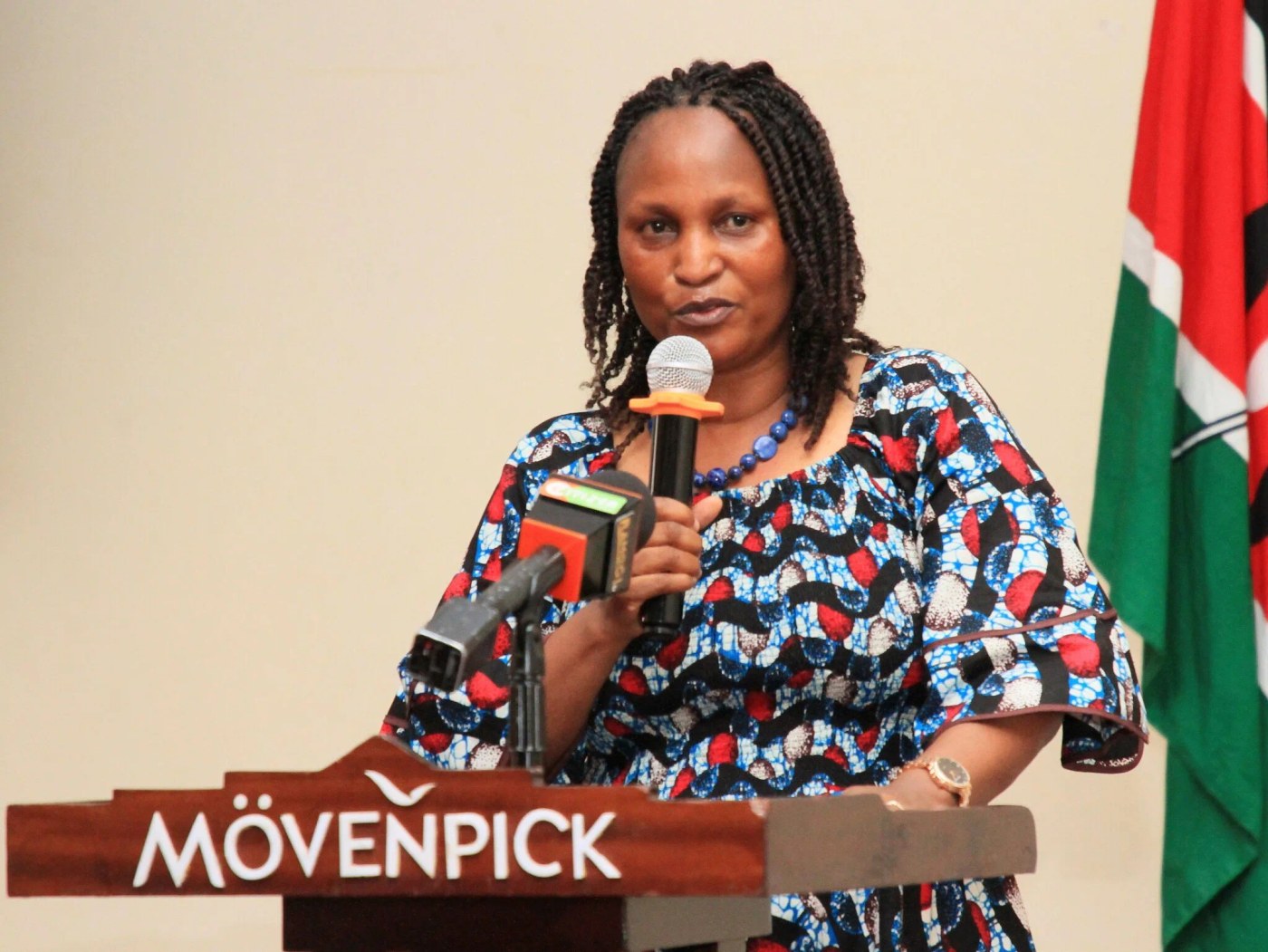
The tender covers the supply, installation, testing, commissioning and maintenance of the Integrated Elections Management System, better known by the name of its kits, Kiems. Acting Commission Secretary and CEO Ruth Kulundu said proceedings were suspended until further notice.
"IEBC hereby notifies all prospective bidders that the proceedings for the aforementioned tender have been suspended until further notice," the notice said. The commission has not said who filed the challenge or on what grounds, and the notice gives no date for resuming.
Back to the review board
The same procurement was frozen in August, when the first challenge was filed, and sent back by the review board in September. On 4 September, the board partly allowed a challenge by Galadirel Investments Limited and ordered IEBC to correct and republish the tender.
The board found deficiencies in the applicable standards, requirements for international tenderers, the allocation of technical evaluation scores, post-qualification and contract award provisions, key personnel qualifications and hardware ownership. It said these affected the clarity and objectivity of the tender and could undermine fair treatment of bidders.
Other complaints were not proved, including claims that the tender had been tailored in favour of Miru Systems Limited, the board found.
IEBC published a revised tender on 17 September with a closing date of 2 October. The new challenge, recorded as Request for Review No. 192, has now stopped that process too.
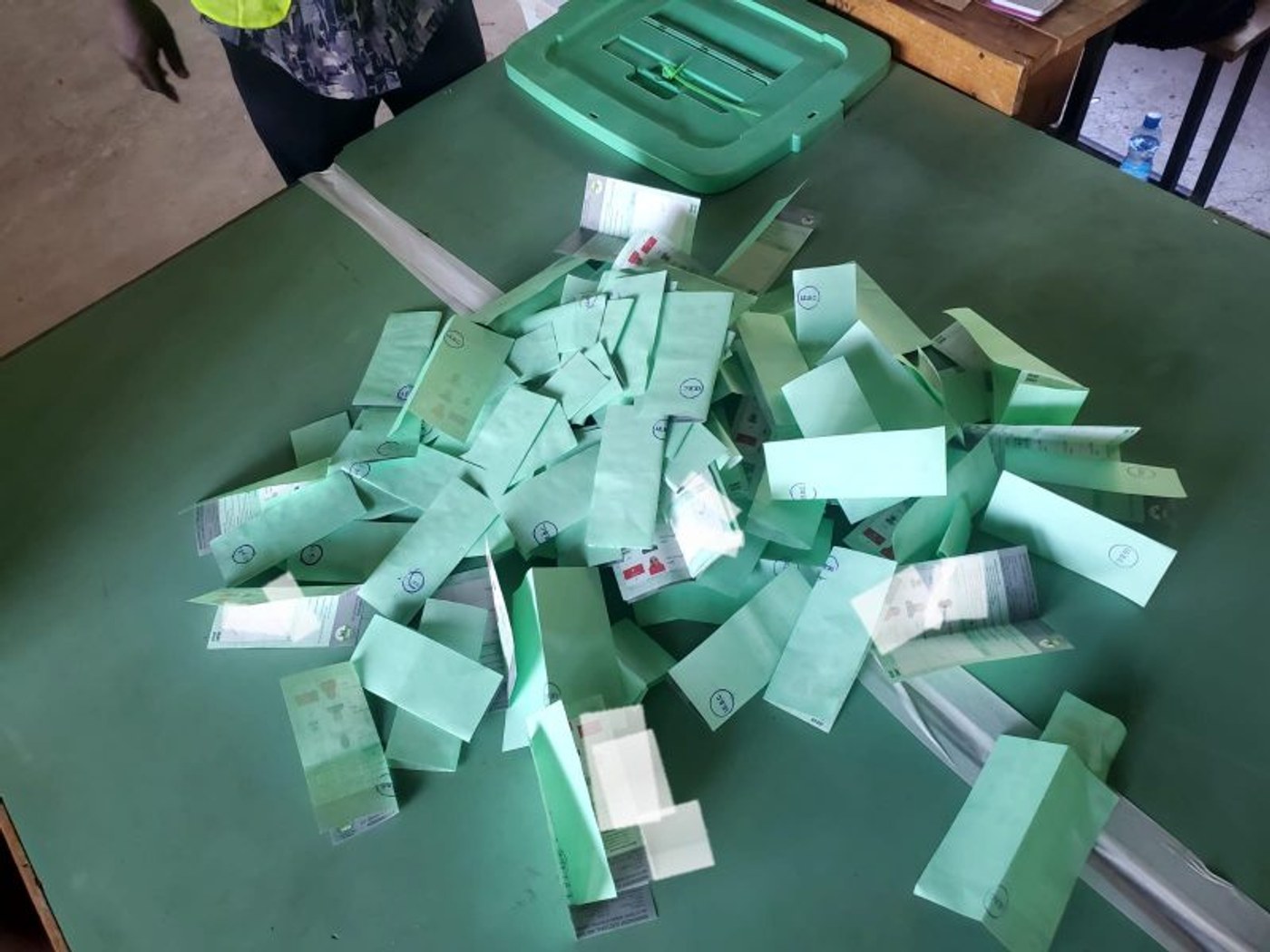
Ballot papers stalled as well
The technology tender is not the only one in trouble. Days earlier, IEBC had also suspended its ballot paper procurement following a request for review. In September, the High Court halted further steps in the ballot paper tender after a bidder, Oilmax, challenged the qualification requirements, and directed the bidder to file a substantive judicial review application.
The numbers
IEBC plans to replace 45,353 ageing kits bought for the 2017 election and reuse 14,000 bought in 2022. It needs 59,352 kits in total, including 55,393 for polling stations and 3,959 for training, according to figures the commission gave Parliament. The procurement is estimated at about Sh9 billion.
Money is a second problem. The Parliamentary Budget Office has found that IEBC needs Sh48.7 billion for election preparations in 2026-27 but was allocated Sh25 billion, a gap of Sh23.7 billion. Election technology got Sh4.7 billion against a requirement of Sh9.4 billion, the budget office's figures show.
Is there still time?
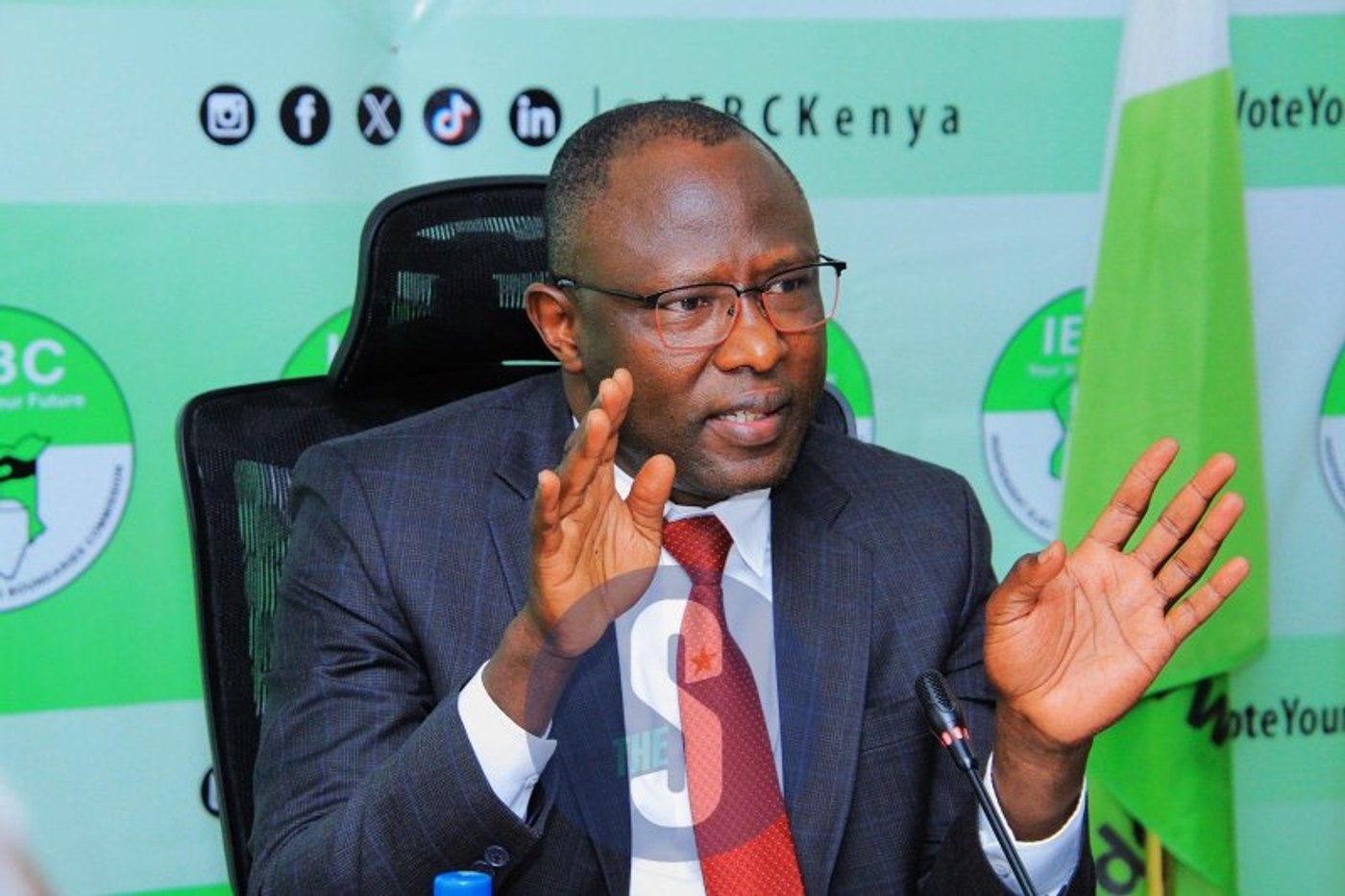
In September, IEBC Commissioner Alutalala Mukhwana said the commission had about 120 days to complete procurement and another 60 days for simulations and testing. "So, don't worry, we are not out of the legal timelines," he said. He accused those challenging the tenders of trying to delay the commission and asked the Judiciary to hear such cases quickly.
Others are less confident. Elections Observation Group national coordinator Mule Musau said delays cut into the time needed to monitor procurement, test the kits and possibly pilot them. He warned that a shortage of time could push the commission towards single sourcing, which would raise value-for-money concerns.
Democratic Party leader Justin Muturi called for independent scrutiny of whether the delays are administrative failures or deliberate interference. No evidence of interference has been made public.
The system matters well beyond polling day. It is expected to support voter registration, candidate registration, voter identification and verification, and the transmission of results. The commission is also running related procurements for RFID technology and a telecommunications network for the kits, so a delay in the main tender can hold up the pieces that depend on it.
Both sides of the problem
Bidders have a legal right to challenge a flawed tender, and the review board has already found real deficiencies once. Fair competition protects public money and reduces the risk of a supplier being chosen before bids are opened.
But repeated challenges also carry a cost. Each one pauses the process, and the commission cannot control how many are filed or how long they take. That leaves IEBC exposed in the way Musau describes: squeezed into rushed decisions late in the cycle, when scrutiny is hardest.
The commission's own drafting is part of the story. A tender that had to be corrected on several counts gave bidders grounds to return to the board. A cleaner document from the start would have reduced that risk.
Questions IEBC should answer
Who filed Request for Review No. 192, and what does it allege? The review board's decisions are public, but the commission could publish the grounds now rather than leaving the field to speculation.
What is the latest date by which a contract must be signed to allow full testing before the August 2027 election? Publishing a timeline would let Parliament and observers judge whether the commission is on track.
How will the funding gap be closed? Without the money, a successful tender still cannot deliver the kits.
What to watch
The review board's ruling on Request for Review No. 192, which by law must come within a set period. The status of the ballot paper procurement in the High Court. And any supplementary budget that addresses the Sh23.7 billion shortfall.
Photo details
WHAT TO WATCH NEXT
- IEBC suspended its Kiems technology tender after Request for Review No. 192 was filed with the procurement review board.
- The review board ordered the same tender corrected and republished in September.
- The ballot paper procurement has also been suspended pending review.
- IEBC faces a Sh23.7bn funding gap, including Sh4.7bn allocated for technology against Sh9.4bn needed.