Aspirants hoping to appear on the 2027 ballot under the names voters chant at rallies have been told no. The Senate's Justice, Legal Affairs and Human Rights Committee has recommended that a petition seeking to allow popular names on ballot papers be rejected, in a report to the House.
"The Committee on Justice, Legal Affairs and Human Rights resolved not to accede to the prayers by the petitioner," the committee's report states.
The recommendation is in a committee report to the Senate. No date has been set for the full House to consider it, but the committee's position makes a law change before the 2027 nominations unlikely.
What the petitioner wanted
The petition was filed by Mohamed Alasow, who asked for the Elections Act to be amended so that candidates could use popular names. He argued that voters in rural and marginalised areas often know politicians by those names rather than their official ones.
He said allowing them would improve voter identification, reduce confusion and rejected ballots, promote inclusivity and boost confidence in elections.
Why the senators said no
The committee, chaired by Senator Hillary Sigei, said there was no evidence of the problem the petition sought to solve. "There is no demonstrated evidence of the prevalence or scale of voter confusion or misidentification of candidates arising from the use of official names on ballot papers," the report says.
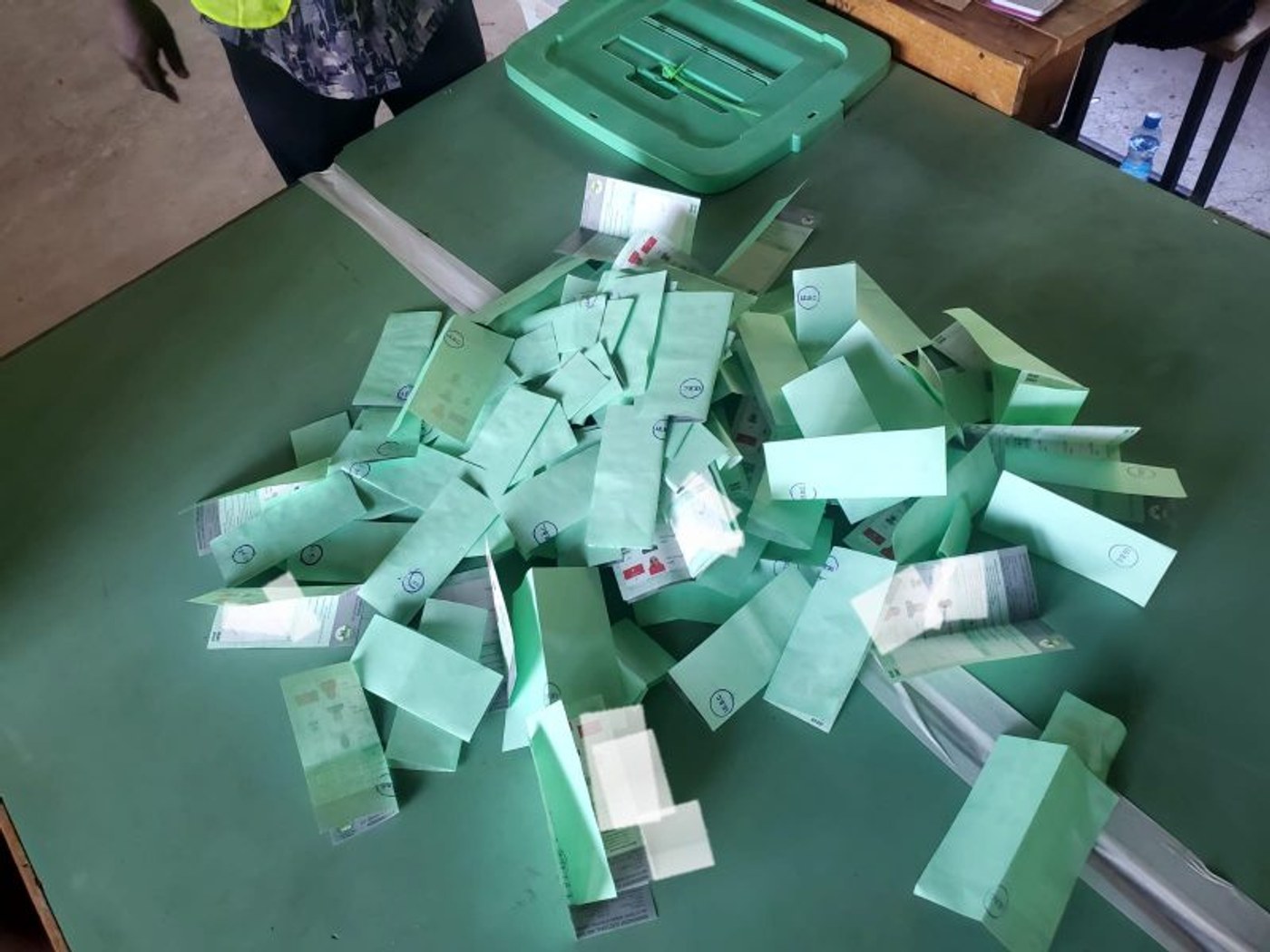
Senators noted that ballot papers already carry each candidate's official name, photograph and party symbol, which they said were enough to prevent mistakes.
They also warned that allowing election-specific names could open the door to abuse, with aspirants inventing names to gain an advantage. The committee described the current route, a formal legal change of name, as "an established, verifiable and accountable mechanism".
The report cited controls abroad. Canada requires documentary proof that a candidate is commonly known by the requested name. Texas requires a nickname to have been in common use for at least three years. The United Kingdom lets officials reject names that could mislead, while the Philippines allows one locally recognised nickname.
An old idea, twice lapsed
Kenya has been here before. Former Nyeri Senator Ephraim Maina sponsored bills in 2019 and 2021 that passed Second Reading in the Senate but lapsed before the Committee of the Whole and Third Reading.
Maina's 2021 Election (Amendment) Bill, as republished by the Senate that year, would have let candidates be presented on the ballot "in the way in which the candidate has chosen to familiarise himself to the electorate", subject to IEBC approval. Candidates would have applied at least 21 days before names were submitted, and the commission would have decided within seven days.
At the time, names such as "Hustler", "Baba" and "Wetaa" were floated as possible ballot entries for 2022. None appeared.
The committee also found that the 2021 Bill could not simply be revived, because provisions of the Elections Act it sought to amend have since been repealed or spent. "The Bill cannot be re-introduced in its original form and would, in any event, require to be redrafted afresh," the report states.
Who backed it and who did not
Stakeholders were divided. The National Gender and Equality Commission, the Council of Governors and the Centre for Multiparty Democracy supported the proposal as a way to make elections more inclusive.
The Elections Observation Group (ELOG) and Mzalendo opposed it, describing it as "over-legislating" and saying candidates should follow existing laws on changing names.
The IEBC had raised practical concerns about the earlier bill, including the size, uniformity and cost of ballot papers, duplicate names, obscene or offensive names, and the difficulty of keeping alphabetical order.
The divide is telling. Bodies focused on inclusion saw a tool to help less literate voters, while election observers saw a loophole. The committee sided with the observers, but it did not dispute that some voters struggle with official names; it said only that the evidence had not been shown.
What it means for aspirants
Politicians who have built careers around a nickname now have two choices: run under the names on their identity documents, or complete a legal change of name before nomination. The second option takes time and paperwork, and must be done well before party primaries.
For voters, the practical effect is small. The photograph and party symbol on the ballot remain the main visual cues, especially for those who cannot read easily. Parties and candidates can also do more to put official names on posters and campaign materials, so that what voters see at the rally matches what they see in the booth.
There is a fairness point too. A nickname can carry a message, a slogan or even an insult to an opponent. Without strict rules, the ballot itself could become campaign space, which is exactly what election law tries to prevent on polling day.
Still, the petitioner's concern about rejected ballots deserves an answer. The IEBC publishes rejected-ballot figures after each election. If it analysed them by constituency and candidate, Parliament would have the evidence the committee says is missing, either to settle the matter or to reopen it.
What to watch
Whether the Senate adopts the committee's report, and whether any senator moves to redraft a fresh bill. Also watch for aspirants filing legal name changes ahead of the 2027 nominations, a quiet sign of how much a familiar name is worth on the ballot.
Photo details
WHAT TO WATCH NEXT
- The Senate Justice, Legal Affairs and Human Rights Committee recommended rejecting a petition to allow popular names on ballot papers.
- The committee found no evidence that official names confuse voters and warned of abuse.
- Earlier bills by former Senator Ephraim Maina in 2019 and 2021 lapsed before Third Reading.
- Aspirants must use ID names or legally change their names before nomination.