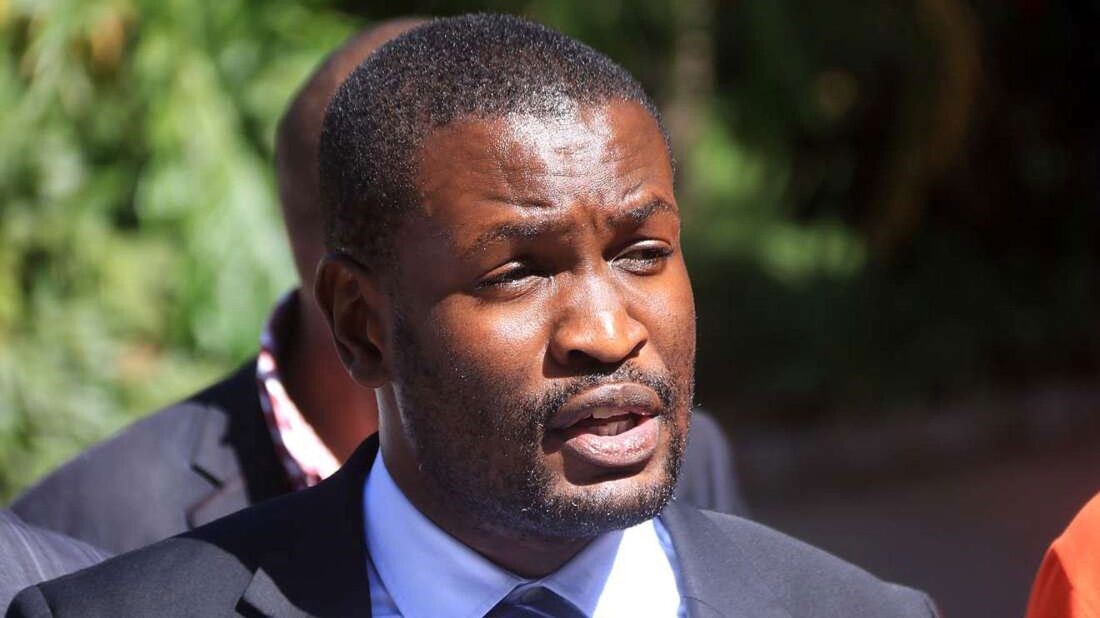
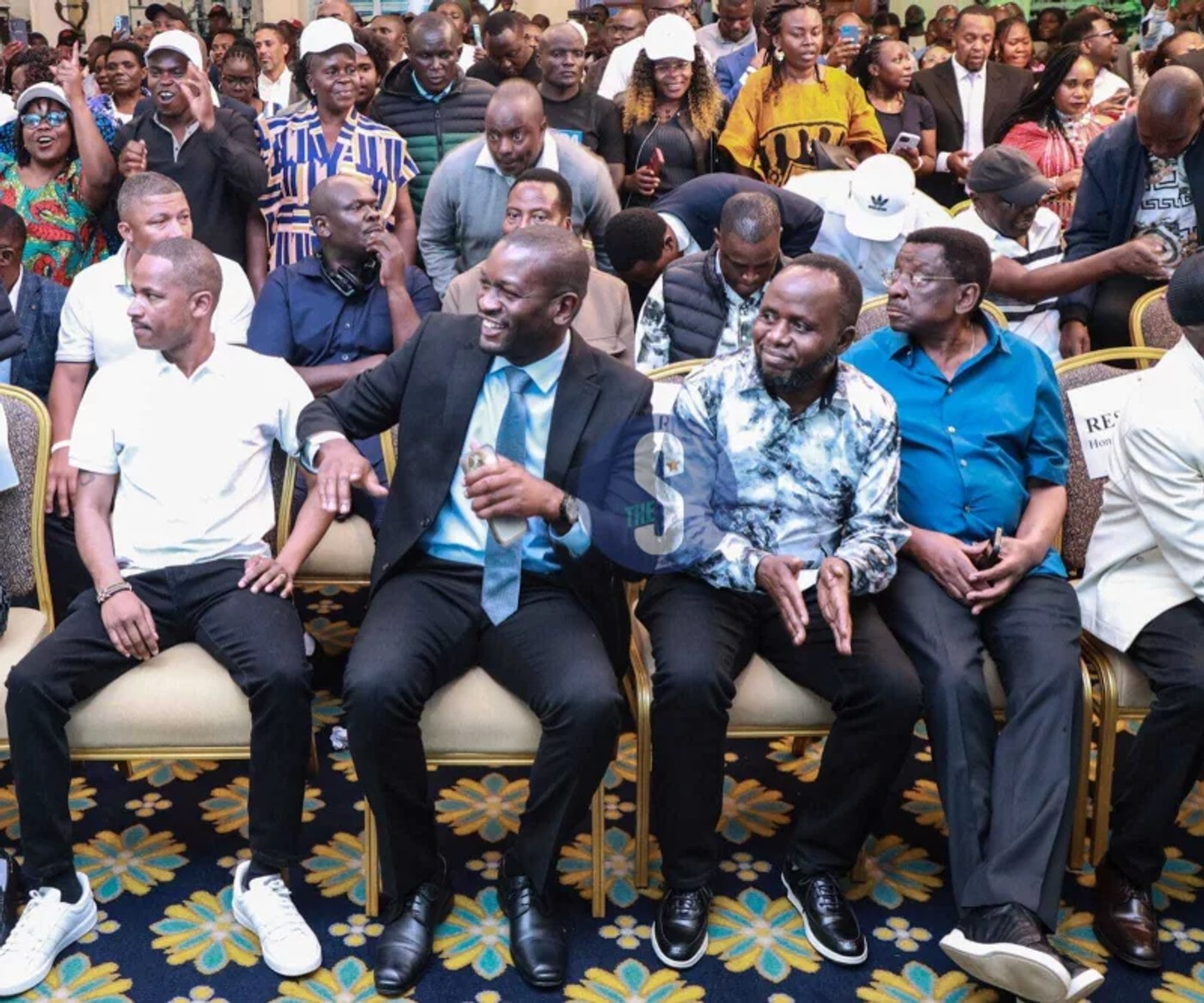
Nairobi Senator Edwin Sifuna has a party. On Sunday, 4 October, he was unveiled in Nairobi as the presidential candidate of The Equitable Party, an existing registered party restructured to accommodate his camp.
The party, known as TEP and using the slogan 'Tusawazishe', was first registered in March 2022. Its leader, Gilbert Marava, said Sifuna would run for president and become the party's leader.
Why an existing party
Taking over a registered party is faster than registering a new one. Registration requires members and offices spread across counties, and the Registrar's timelines are tight with the general election ten months away.
Sifuna's movement had fought for the Linda Mwananchi name. The Political Parties Disputes Tribunal cleared the reservation, and the Registrar approved it for 90 days. But the movement concluded that the deadlines made it impractical to build a new party under that name in time, and the name may now serve as an umbrella brand.
We covered the questions the name reservation left open. The TEP takeover is the movement's answer to them.
Who was there
The launch drew a broad cast, including Governor George Natembeya of Trans Nzoia, James Orengo, Senators Godfrey Osotsi, Richard Onyonka and Boni Khalwale, and MPs including Babu Owino, Caleb Amisi, Jack Wamboka and Majimbo Kalasinga.
Suba South MP Caroli Omondi formally declared Sifuna the presidential candidate. Digital strategist Pauline Njoroge predicted he would be Kenya's sixth president.
The one-million-members claim
The day after the launch, Khalwale claimed the party had registered more than one million members in under ten hours. The figure has not been independently verified.
Party membership in Kenya is recorded through the Registrar's online system, where citizens can check which party they belong to. Large and fast sign-ups are possible online, but claims of this size should be tested against the Registrar's records.
The figure matters because membership numbers are used to project strength in coalition talks. Readers should treat it as a claim until verified.
The takeover route has its own risks. Existing party officials, members and constitutions come with the vehicle, and disputes over who controls a party are among the most common cases before the Political Parties Disputes Tribunal.
Earlier, officials of another party Sifuna's camp had approached, the UDP, filed formal complaints against a proposed takeover. Whether TEP's existing officials are fully on board will matter as nominations approach.
A crowded field of vehicles
The opposition now runs through several separate parties. Babu Owino has registered The Mwananchi Party. Rigathi Gachagua leads the Democracy for Citizens Party. Kalonzo Musyoka leads Wiper.
Fred Matiang'i has been associated with Jubilee. Each of these parties has its own officials, nomination rules and interests in governor, senate and MP seats.
The TEP launch therefore adds to the opposition's unity puzzle rather than solving it. More parties do not prevent a coalition, but they make the agreement more complex, because each one brings officials who expect a share of nominations.
Kenya's recent history shows how hard this is. In 2017 and 2022 the main opposition coalitions were assembled from several parties, and disputes over nomination tickets and sharing of seats continued well after the coalition agreements were signed. A coalition is a contract between party organs, not just a handshake between principals.
What a coalition would require
Under the Political Parties Act, a coalition agreement must be deposited with the Registrar at least three months before the election, or at least 120 days before for a coalition political party.
The agreement has to set out how positions are shared, how candidates are nominated and how disputes are resolved. Every extra party is another negotiation over those terms.
Gatanga MP Edward Muriu said in late September that the principals had asked him to draft a coalition formula. No signed agreement has been made public.
What Sifuna's camp is saying
Speakers at the launch stressed unity. Omondi said the movement would be led by one leader with one presidential candidate.
The question is whether 'one candidate' refers to the movement or to the whole opposition. Sifuna's backers have presented him as the opposition's best choice, while other principals have their own claims.
For voters in Nairobi and western Kenya, where Sifuna's support is concentrated, the practical consequence is on the ballot. Aspirants for governor, senator, MP and MCA seats will now choose between TEP, ODM and the other opposition parties, and that choice will shape local contests long before the presidential question is settled.
Pauline Njoroge used the launch to criticise what she called constitutional drift, saying the country had become a private enterprise. That line signals the campaign's likely message: governance and accountability rather than ethnic arithmetic.
The launch also tests ODM. Many of the figures around Sifuna have roots in ODM, and the party has its own plans for 2027. How ODM responds to the departure of members to TEP, including any disciplinary steps or claims over seats, is part of the same story.
What to watch
First, the Registrar's records. A verified membership figure would show whether the one-million claim holds.
Second, the party's officials and nomination rules. Who controls TEP's nominations will matter for every aspirant who joins it.
Third, any coalition agreement involving TEP, DCP, Wiper, Jubilee and the others, and when it is deposited with the Registrar.
Photo details
WHAT TO WATCH NEXT
- Edwin Sifuna was unveiled as presidential candidate of The Equitable Party (TEP) in Nairobi on 4 October 2026.
- TEP was registered in March 2022 and restructured for Sifuna's camp; the Linda Mwananchi name may become an umbrella brand.
- Boni Khalwale claimed over one million members joined within hours; the figure is unverified.
- The opposition now spans TEP, DCP, Wiper, The Mwananchi Party, Jubilee and others, complicating any coalition deal.