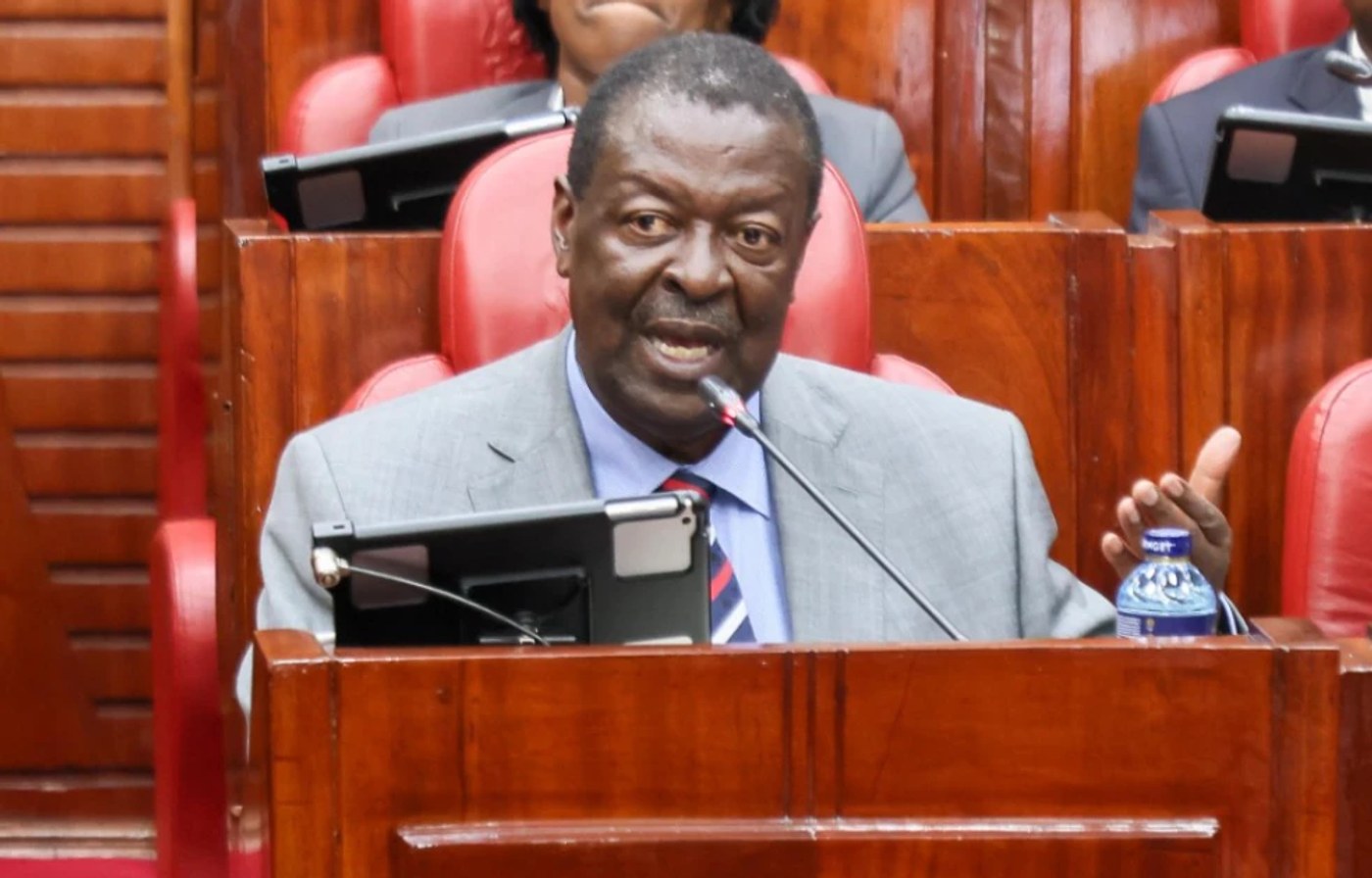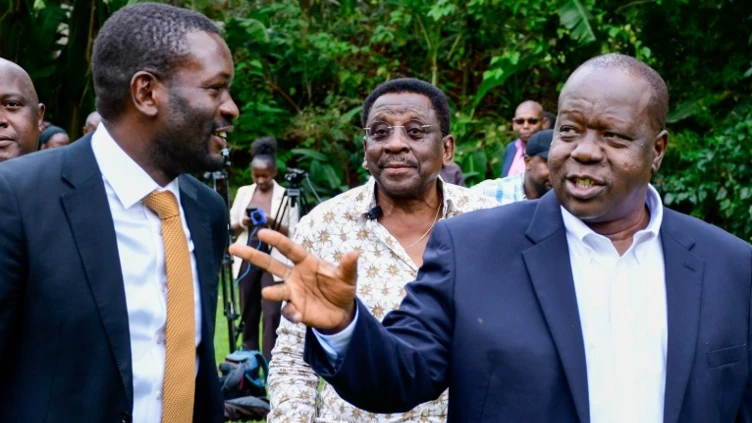
Nairobi Senator Edwin Sifuna says he has kept the Sh50 notes handed to him by women traders rather than spending them, presenting the contributions as a personal reminder of whom he seeks to represent.
In remarks reported by The Star on 10 October, Sifuna said the notes were stored in a bucket in his office and that he hoped to take the collection to State House.
He described the donations as emotionally significant because earning even a small amount requires work. His explanation followed criticism of fundraising from ordinary supporters.
The account is Sifuna’s description of the cash he has retained. It is not an independently audited statement of the movement’s fundraising, total receipts or expenditure.
The political message is about small donors’ stake in a movement. The accountability question is how supporters can follow money raised in their name as that movement develops a formal party organisation.
Political Headache analysis: the meaning of a small donation
A Sh50 contribution carries a different political message from a large cheque presented by a wealthy supporter. Its significance lies partly in the sacrifice the donor is said to have made. Sifuna is using that contrast to describe a movement whose supporters expect recognition even when their individual contributions are modest.
That is a message about belonging. It suggests that a trader's contribution can create a stake in a political project rather than simply help pay for a rally. Whether supporters experience that sense of ownership depends on what follows: opportunities to participate, access to information and a meaningful voice in decisions.
The bucket is a memorable symbol, but a symbol cannot explain the full finances of an organisation. A personal collection of notes and a party's operating accounts are different things. Confusing them would make it harder to assess either the sentiment Sifuna describes or the resources behind political activity.
From a story about trust to a record of money
A clear account could explain whether the retained notes were gifts to an individual, contributions to a movement or donations intended for specified activities. That would establish what supporters reasonably expected when they gave. It would also clarify who is responsible for safeguarding the money and deciding its eventual use.
The next distinction is between cash kept as a personal reminder and funds actually used for organisation. Meetings, transport, communication and administration have costs. A statement that particular notes remain unspent does not answer how those other costs are met, nor does it demonstrate wrongdoing in the absence of further evidence.
An accessible financial summary need not expose every donor's personal information. It could distinguish categories of income, the period covered, expenditure and any remaining balance. Such a summary would let ordinary supporters understand the movement's resources without treating private contact details as public material.
Participation beyond the donation
Small donors may want more than thanks. A movement can explain how they become members, how local meetings are organised and how leadership decisions are communicated. Those arrangements would make the claim of shared ownership easier to evaluate than the size of a crowd or the emotional force of a speech.
There is also a difference between consultation and control. Inviting supporters to an event does not necessarily give them a say in candidates or policy. Clear procedures would show which decisions members can influence and which remain with elected or appointed officials. That clarity can prevent expectations from outrunning the organisation's actual rules.
Sifuna's account therefore creates an opportunity to connect political language with institutional practice. If the central claim is that ordinary people's trust must be protected, financial transparency and participation are practical ways to demonstrate that principle. These are tests proposed in this analysis, not measures the report establishes have already been adopted.
The next evidence to look for
Published organisational rules, a defined donation process and understandable financial reporting would provide firmer evidence of how the movement treats its supporters. Their absence from this particular report should not be confused with proof that they do not exist; it identifies information that would strengthen the public account.
The story's most important distinction remains between Sifuna's description of his intentions and an independently verified picture of political financing. Readers can recognise the symbolism of the bucket while still asking how a growing organisation receives, safeguards and spends money raised in the name of ordinary Kenyans.
Photo details
WHAT TO WATCH NEXT
- Whether the movement publishes a clear account of contributions and spending.
- How small donors are represented in the emerging party’s organisation.