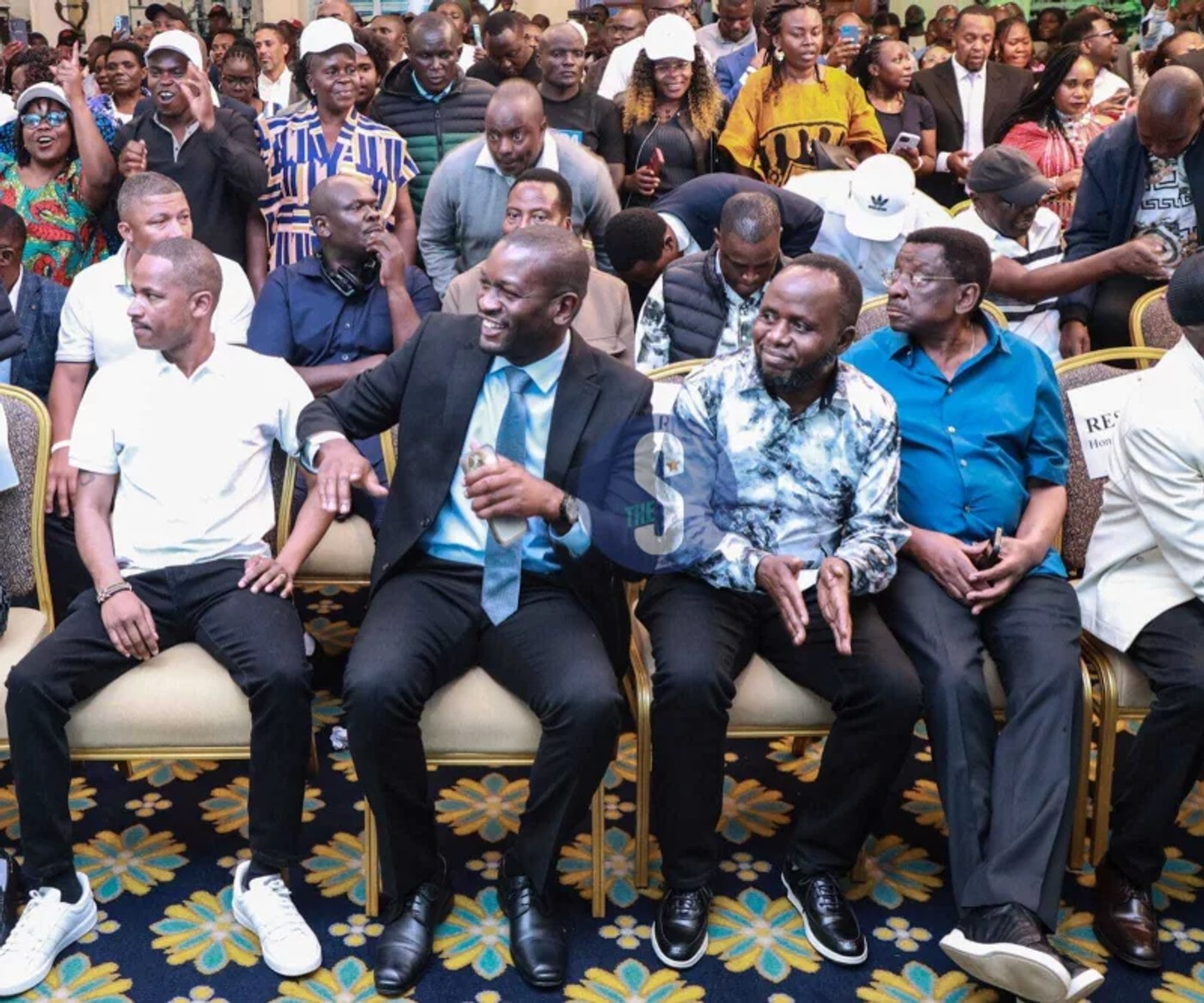
Edwin Sifuna’s allies planned a closed-door meeting in Kiambu for Saturday to discuss their political organisation, nationwide campaigning and a possible agreement with Rigathi Gachagua’s DCP.
In a report published on 24 September, Nation quoted Trans Nzoia Governor George Natembeya as saying Sifuna would pursue the presidency through the United Democratic Party. Funyula MP Oundo Midenyo also described the retreat as an opportunity to address internal disagreements.
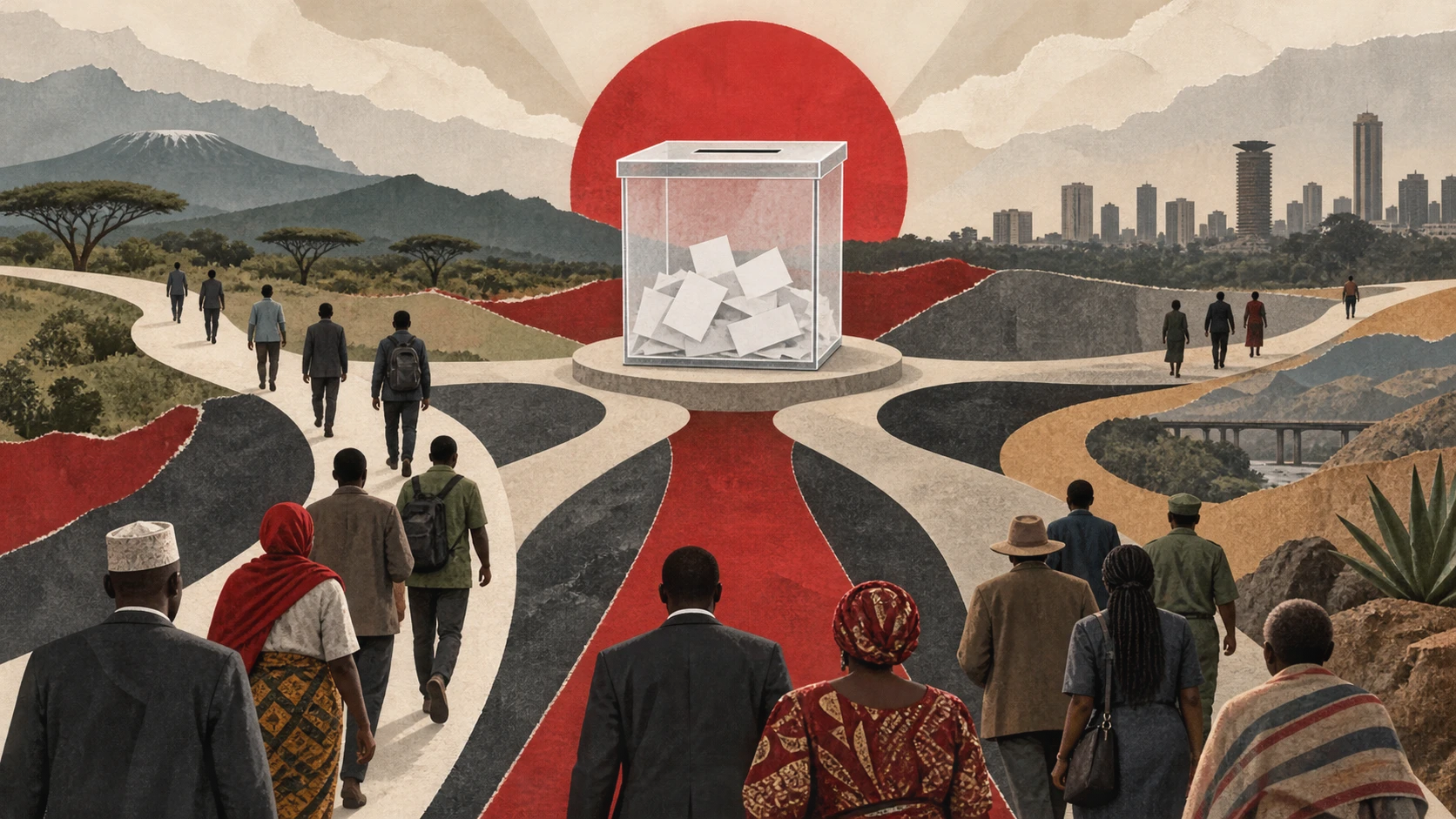
The report shows the movement confronting practical questions behind its public rallies: which party will carry its candidates, how decisions will be made and which partners it can accommodate.
The proposed DCP arrangement remains a negotiation. The reporting does not establish that a coalition agreement has been signed or that a joint presidential ticket has been settled.
Political Headache analysis
A movement, a registered party and a coalition perform different jobs. A movement can bring supporters together around a cause. A party supplies a formal organisation for membership and candidates. A coalition sets out how separate parties will cooperate.
The Registrar of Political Parties explains that coalition agreements address membership, policies, organisational structures, nomination rules, funding and dispute resolution. These provisions determine how an alliance behaves when its leaders disagree. ORPP coalition guidance.
That makes the retreat’s internal arrangements consequential for people below the presidential level. An aspiring MP or county representative needs to know which party to join, who controls nominations and whether a partner will field a competing candidate.
Supporters need to know how they can participate in those decisions.
The strongest evidence of progress would be an agreed organisational timetable, named officials responsible for delivering it and a clear account of how disputes will be handled. A photograph of leaders together would answer none of those questions.
The outcome to watch is whether the meeting creates rules that its participants are willing to follow when those rules become inconvenient.
The decisions behind the public rallies
An organisational retreat can look less consequential than a large public rally, yet it may address questions that determine whether a movement can sustain its campaign. The central issue is who is entitled to make decisions on behalf of whom.
An agreement among prominent leaders is one level of consent. Acceptance by party organs, local organisers and prospective candidates is another. A movement can appear united at the top while leaving uncertainty about how those below the leadership will participate.
That uncertainty becomes especially important when someone must choose a party, prepare for a nomination or decide whether to invest resources in a campaign. A statement about unity does not answer which rules would apply to that person's position.
A useful account of the retreat would identify the questions on the agenda and the mechanism used to settle them. Were participants making binding decisions, developing proposals for party organs or simply consulting? Each description carries a different degree of authority.
The public record available for this report does not establish the meeting's final decisions. Any subsequent account should therefore be checked against a statement from the participating organisations, rather than treating expectations before the retreat as its completed outcome.
What a partnership would need to resolve
A possible partnership with DCP raises questions beyond the choice of a presidential candidate. Organisations may agree on criticism of the government while still differing on priorities, the distribution of responsibilities or how to manage competition between their own aspirants.
Those differences need not make cooperation impossible. They do make clarity valuable. A partnership is easier for members to assess when leaders explain which matters are already agreed, which are still being negotiated and how outstanding disagreements will be decided.
Consider the position of two local aspirants from prospective partner parties. They need to know whether both can compete, whether there will be a joint selection process or whether the parties intend to allocate a particular contest between themselves.
That is an illustrative organising problem, not evidence that such an allocation has been agreed here. It shows why the details of cooperation affect people far beyond the leaders photographed at a negotiating table.
Our coverage of Matiang'i's planned joint Narok appearance explores a related distinction: sharing a public platform may test cooperation, but it does not establish a completed political agreement. The same caution applies to reports of discussions between party leaders.
How to judge progress without guessing the outcome
There are several useful signs of progress that stop short of predicting electoral success. A timetable gives members a way to assess whether work is advancing. Identified decision-makers make it possible to establish who should answer questions when it does not.
A clear route for raising disagreements also matters. Suppressing every difference can produce a superficial appearance of unity while leaving the underlying dispute unresolved. Conversely, public disagreement does not automatically mean a movement is incapable of reaching a workable settlement.
The stronger test is whether participants accept a process that can produce an outcome they did not initially prefer. Rules become meaningful when they constrain the people who helped create them, rather than being revised whenever the political balance changes.
Supporters should also be able to distinguish an organisational announcement from a policy offer. Settling the party vehicle tells them how a campaign intends to compete. It does not, by itself, tell them what the campaign would do with public power.
That second question deserves its own reporting. A future statement should be examined for specific commitments, the institutions expected to carry them out and the costs or trade-offs involved. Organisation makes a campaign possible; a programme gives voters something substantive to evaluate.
For now, the retreat represents an attempt to address the structures behind Sifuna's allies' ambitions. The next useful story is the verified decision record: what was agreed, who must implement it and which questions remain open.
An assumption of either inevitable unity or inevitable collapse would run ahead of the evidence.
Photo details
WHAT TO WATCH NEXT
- Look for an agreed organisational timetable and named party officials.
- Confirm any DCP coalition agreement from the parties themselves.