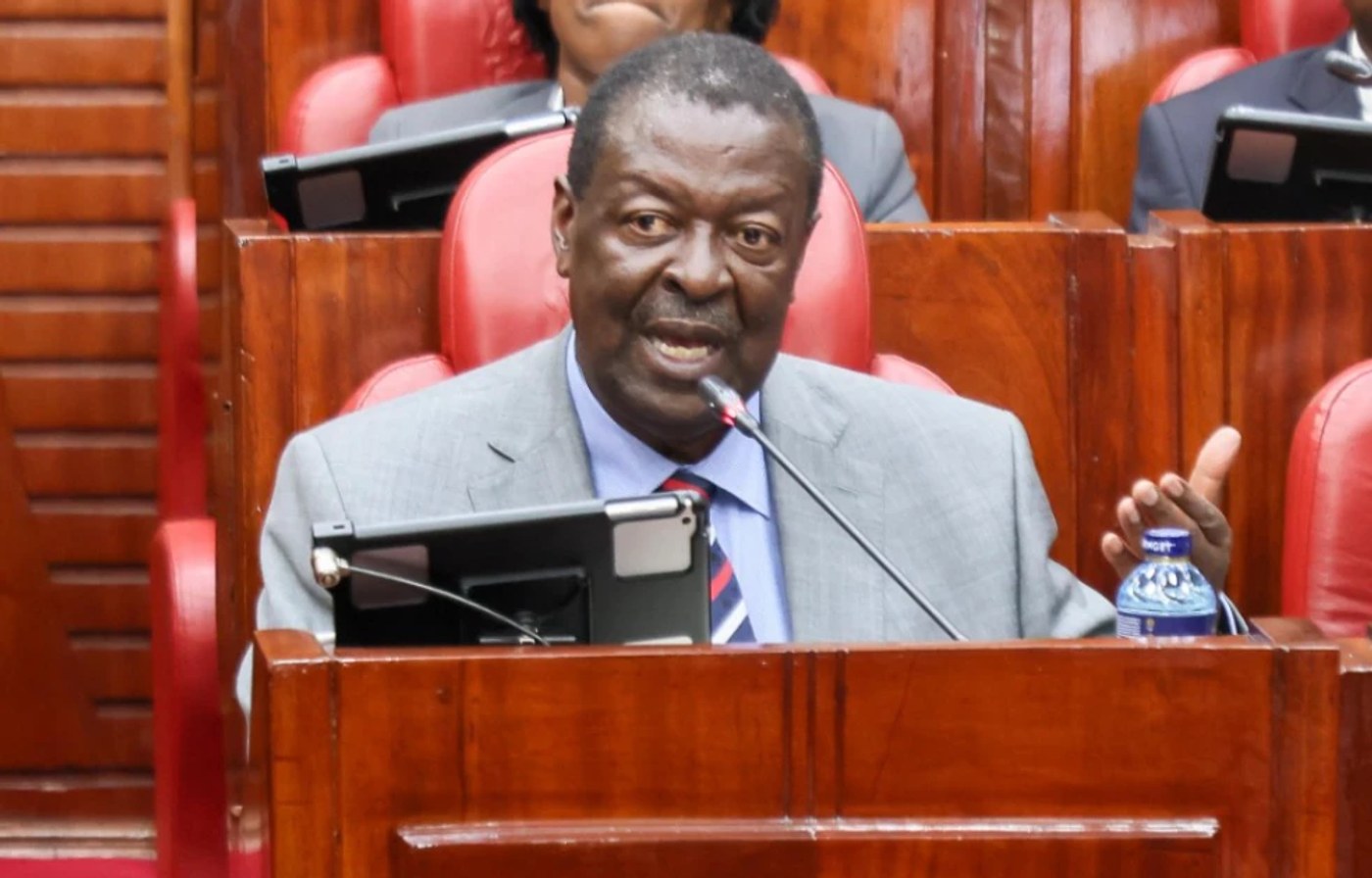
Kisumu Governor Anyang’ Nyong’o has called for clean-up, investigation and compensation following a petroleum spill affecting River Nyando and nearby communities in Muhoroni.
Kenya News Agency reported that the spill occurred on Thursday, 8 October, near a railway bridge and affected the Omanyi–Adegra area. Nyong’o issued his statement the following day.
The governor asked agencies to establish the extent of contamination and assess losses suffered by residents, farmers and businesses. He called for compensation based on verified damage.
Kenya Pipeline Company officials attributed the incident to suspected interference with pipeline infrastructure. That account remains a matter for investigation; it is not an established finding of responsibility. The report says the DCI and energy regulator EPRA were investigating.
The immediate accountability questions concern containment, transparent environmental assessments and a clear process for recording claims. Residents need official findings that distinguish confirmed damage from risks still being assessed.
Political Headache analysis: separate the response from the investigation
The spill creates several tasks that should be tracked independently. There is the immediate response, the assessment of environmental damage, the recording of losses and the investigation into cause. Progress in one area would not automatically mean that the others are complete. Clear public updates should explain each workstream on its own terms.
Nyong’o's demand for compensation is also different from a completed compensation scheme. Residents would need to know who receives claims, what information is required and how decisions can be challenged. Without those details, a promise of redress may leave affected people unsure how to obtain it.
The allegation of interference with infrastructure requires particular care. It is an account attributed to company officials, not a final investigative finding. Assigning blame before evidence is examined could distract from urgent response work and create an inaccurate public record of what happened.
An assessment that residents can understand
Environmental findings are most useful when they explain where samples were taken, when the assessment occurred and what the results establish. A statement about one location should not automatically be treated as a finding about every area downstream. Equally, the absence of a published result is not evidence that a location is unaffected.
Technical agencies should provide the relevant interpretation and public guidance. Political Headache's role here is to scrutinise the clarity and accountability of the response, not to declare water or land safe on the basis of a political statement. Residents should be able to identify which official body is responsible for each update.
A coordinated information point would help distinguish confirmed findings from reports still being checked. It could also explain when the next update is expected. Those arrangements would be particularly valuable where several institutions are involved and residents might otherwise receive partial or inconsistent explanations.
Recording losses fairly
A claims process would need to accommodate different kinds of loss without assuming that every claim has already been verified. Farmers, households and businesses may have different records available. Clear instructions could explain acceptable evidence and how officials will assess cases where formal paperwork is limited.
Transparency should extend to the stages of a claim: receipt, assessment, decision and any payment. Aggregate reporting could show how many claims have reached each stage while protecting personal information. That would make delays visible and reduce uncertainty about whether an application has simply disappeared into an administrative process.
There should also be a clear distinction between assistance offered while assessments continue and final compensation for established loss. Those serve different purposes. The report cited here does not establish the terms of either arrangement, so readers should not infer a guaranteed amount or timetable from the governor's demand alone.
Accountability after the immediate response
Investigators' findings could identify the cause of the incident and any failures requiring action. If recommendations follow, the public should be able to track who is responsible for implementing them. A report that is announced but never followed through would leave an important part of accountability unfinished.
The central question is whether affected residents receive understandable information and an accessible route to have verified losses addressed. Political pressure can help keep that question visible, but it cannot substitute for technical evidence, a transparent claims process or a properly supported finding of responsibility. Those are the developments that would move this story beyond the initial statements.
Photo details
WHAT TO WATCH NEXT
- Publication of environmental assessment and investigation findings.
- A clear, accessible process for documenting and compensating verified losses.