The National Transport and Safety Authority plans to bring back instant fines for traffic offences from 26 November 2026, provided legal obstacles are cleared, a senior NTSA official said this week.
NTSA Director of Road Safety Andrew Kiplagat said the instant fines programme was not happening because of legal impediments from court cases.
How it would work
Kiplagat described a camera-based system. A camera captures a violation and sends it to the driver, who is given time to pay. If the fine is not paid, further enforcement steps follow, he said.
NTSA is also pushing to reintroduce speed cameras in clearly marked zones. Kiplagat said the aim is to address driver conduct, including speeding and drink-driving, as key risk factors in crashes.
NTSA has not set out which offences would attract instant fines, or the amounts. Those details matter, and they should be published well before any rollout.
Why the system stopped before
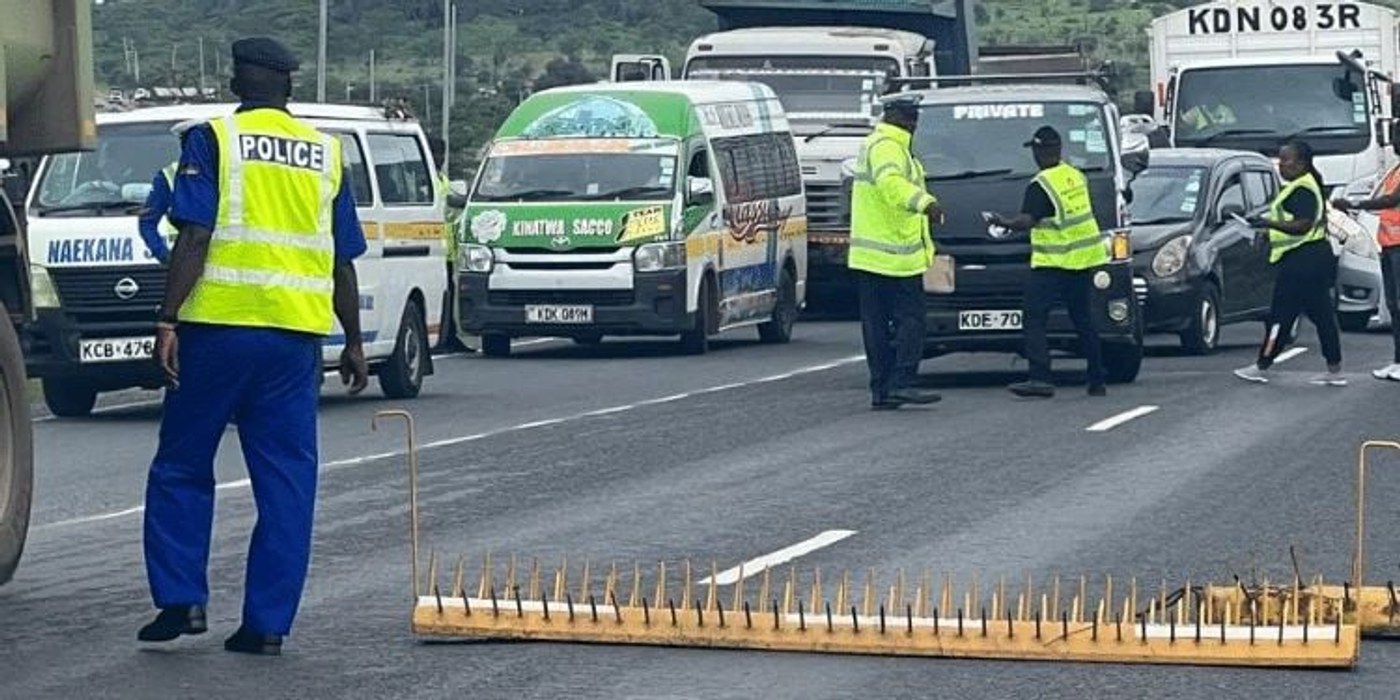
Instant fines have been tried and stopped before in Kenya, after court challenges over how they were imposed and collected, and concerns about corruption at roadside stops.
The current obstacles are court cases that NTSA has not named. Without knowing which cases and which courts, it is hard to judge whether 26 November is realistic.
The Senate's July warning
In July, the Senate annulled three sets of NTSA rules: the Traffic (School Transport) Rules, the Traffic (Motor Vehicle Inspection) Rules and the NTSA (Operation of Commercial Vehicles) Regulations, all of 2026.
The Senate adopted a report from its Committee on Delegated Legislation after complaints that the rules had been made without proper consultation. The inspection rules would have required annual inspections for private cars older than four years, with fees of Sh1,000 to Sh2,000.
The Motorists Association of Kenya described the rules as heavily prejudicial to vehicle owners.
That history is a clear lesson. Any new instant-fine regulations will face the same scrutiny, and will need genuine public participation to survive.
The Senate rejected further NTSA regulations in September for the same reason, insufficient public participation. Two rejections in two months suggest a pattern in how the agency drafts and consults on rules.
Kiplagat also mentioned regulations from February 2026 that would expand mandatory vehicle inspection beyond public service and heavy commercial vehicles to other categories. Their status after the Senate's decisions is unclear.
Why enforcement still matters
NTSA's own data showed that 4,458 people had been killed on Kenya's roads in 2025 by 2 December. Speeding and drink-driving are among the leading causes.
NTSA should also publish its final, full-year 2025 figure, broken down by county, road and road-user type. Pedestrians, motorcyclists and passengers make up most of the dead in many years, and knowing where and to whom crashes happen is the only honest way to decide where cameras should go. A camera network sited by crash data is a safety programme; one sited by traffic volume alone looks like a revenue scheme.
Camera enforcement has a real advantage over roadside stops. It removes direct cash contact between officers and drivers, which reduces the opportunity for bribes.
But it depends on accurate cameras, clear signage, a reliable way to identify vehicle owners, and a fair appeals process for people wrongly fined.
Public trust is the deeper issue. Many motorists associate traffic enforcement with roadside bribes, and see new rules as revenue schemes. NTSA can counter that by publishing how fines are calculated, where the money goes, and crash data before and after enforcement in each zone.
Evidence from other countries shows speed cameras can cut deaths where they are visible, consistently enforced and paired with clear signs. Hidden cameras placed mainly to raise money tend to lose public support.
Questions the public should ask
Which offences will be covered, and what will each fine be? How will drivers be notified, and how long will they have to pay or contest a fine?
Who runs the cameras, and who receives the revenue? If a private contractor is involved, the terms should be public, to avoid a system designed to maximise fines rather than safety.
How will the data be protected? Camera systems collect number plates and images, which fall under the Data Protection Act.
Motorists also deserve clarity on how instant fines interact with court. Under the Traffic Act, a driver charged with a minor offence can choose to contest it in court. Any instant-fine system has to preserve that right, or it will face fresh legal challenges.
Boda boda riders and matatu operators, who account for a large share of road users and crashes, will be directly affected. Their associations should be part of any consultation, both because they know the risks on the road and because their compliance decides whether the system works.
Insurers and employers of fleet drivers will also watch closely, because a working camera system would create a record of offences that could affect premiums and hiring.
What to watch
First, the court cases. NTSA should say which cases are blocking the programme and when they are expected to be decided.
Second, draft regulations and a public participation process. Without one, the Senate's July decision suggests any new rules are vulnerable.
Third, the 26 November date itself, and whether the system starts with clear published fines and an appeals route.
Photo details
WHAT TO WATCH NEXT
- NTSA plans to restart camera-based instant traffic fines on 26 November 2026, subject to pending court cases.
- Offences and fine amounts have not been published.
- The Senate annulled three NTSA regulations in July 2026 for lack of public participation.
- NTSA data showed 4,458 people killed on Kenyan roads in 2025 by 2 December.