Deputy President Kithure Kindiki says the government has released Sh177 billion to revive stalled road construction across Kenya, including projects under the Mau Mau Roads Programme.
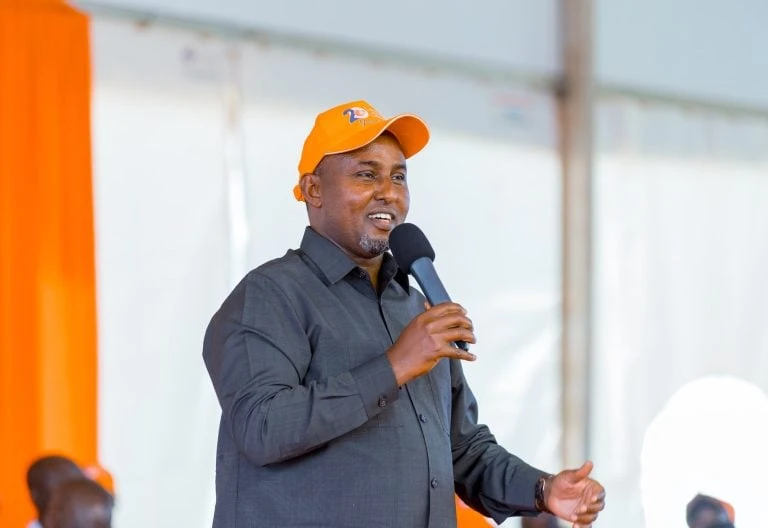
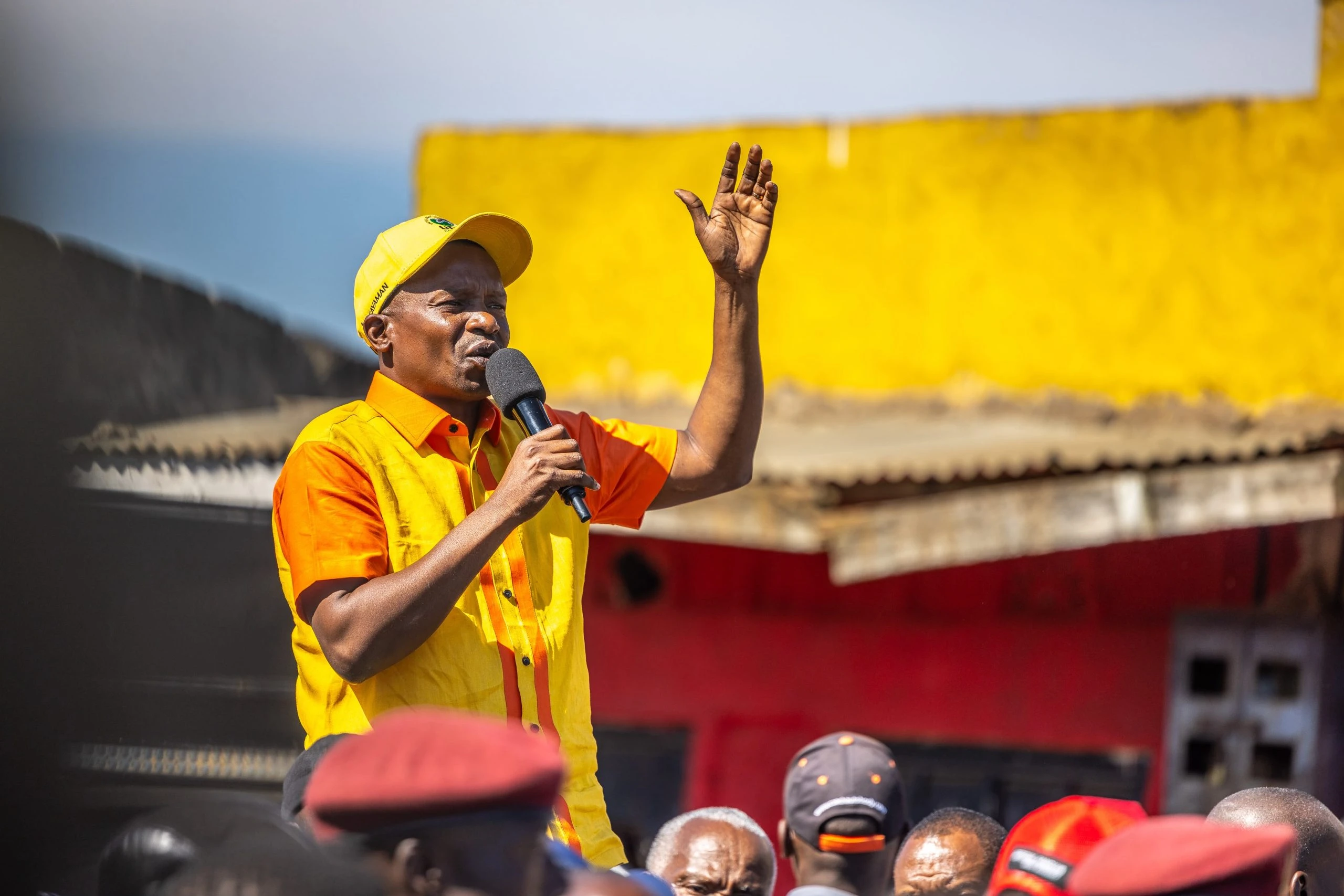
KBC reported that Kindiki made the announcement during a public engagement at Kinyona in Kigumo, Murang’a, on Friday, 9 October. He said stabilising the economy had created room to resume construction.
For Murang’a, he described a 225-kilometre Mau Mau roads programme valued at Sh9 billion and promised completion of the Ikumbi–Karinga–Kinyona–Mairi stretch.
The figures are the Deputy President’s account of funding and implementation. They should not be read as independent confirmation that every contractor has mobilised or that all the roads are complete.
Residents can assess delivery through visible work, project-specific payment information and updated completion dates. The announcement’s significance will depend on whether the promised financing produces usable roads and resolves the delays that prompted it.
Political Headache analysis: a payment announcement is one milestone
The distinction between money released and a road completed is central to this announcement. A financial decision can remove one obstacle to construction, but residents experience delivery through a route they can actually use. Reporting should follow the chain between those points rather than treat the first as proof of the last.
The national figure also needs to be separated from the local promise. Sh177 billion describes the funding claim across stalled projects, while the Murang’a figures concern a particular programme. Without a published breakdown, readers should not assume that the larger sum is allocated to the county or that every named road has received payment.
Kindiki's account can be tested through project-specific information. The most useful starting point would be a list showing the implementing agency, contractor, contract value, payment position and revised completion date for each road. That would make it possible to track progress against the announcement over time.
What a restart should look like
Contractor mobilisation is an observable stage. Equipment, workers and materials on site can demonstrate that activity has resumed, although their presence alone does not establish whether the project is on schedule. Progress reports should identify completed work and what remains, using a consistent measure from one update to the next.
The reasons for the original delay also matter. If payment was the main obstacle, new financing may directly address it. If a project also faces design, land, weather or contract issues, those may require separate action. These are possible categories to investigate, not findings that any particular one applies to the roads named by Kindiki.
Updated timetables should explain the work still required and who is responsible for each stage. A completion date without that explanation may be difficult to judge. Equally, a revised date is not automatically evidence of failure if officials clearly explain a justified change in scope or circumstances.
Quality and access during construction
For residents, the experience of a restart includes the period before completion. They need information about diversions, access to homes and businesses, and how to report problems around construction. Those practical details are part of delivery even if they rarely feature in a national funding announcement.
Quality assurance deserves attention alongside speed. A road that opens quickly but requires early repairs may not provide the value expected from the investment. Public updates could explain inspection arrangements and the process for addressing defects. This analysis does not allege defects in the named programme; it identifies an important measure of performance.
The same approach applies to cost. A headline contract value needs context about the length, design and works included. Comparing projects solely by their total price can be misleading when their specifications differ. A transparent breakdown would support more useful scrutiny than an argument over a large number without its underlying detail.
The next public-interest test
The promised Kigumo stretch offers a concrete place to follow the broader announcement. Residents should be able to compare official updates with activity on the ground and report whether access is improving. An accessible record would also let officials demonstrate progress where work is advancing.
The next strong story will come from that comparison: which projects have restarted, what has been delivered and which obstacles remain. Until those details are established, the funding figure should remain attributed to the Deputy President. Its value to the public will ultimately be measured in completed, usable infrastructure and a clear account of the resources spent.
Photo details
WHAT TO WATCH NEXT
- Project-by-project contractor mobilisation and progress reports.
- Revised completion dates for the named Kigumo road sections.