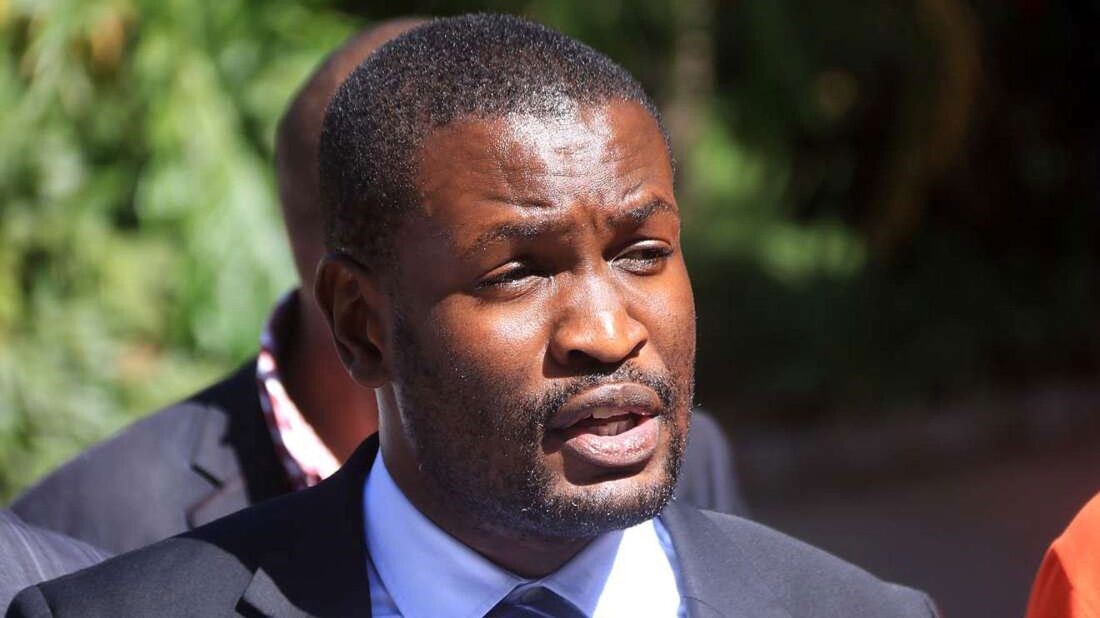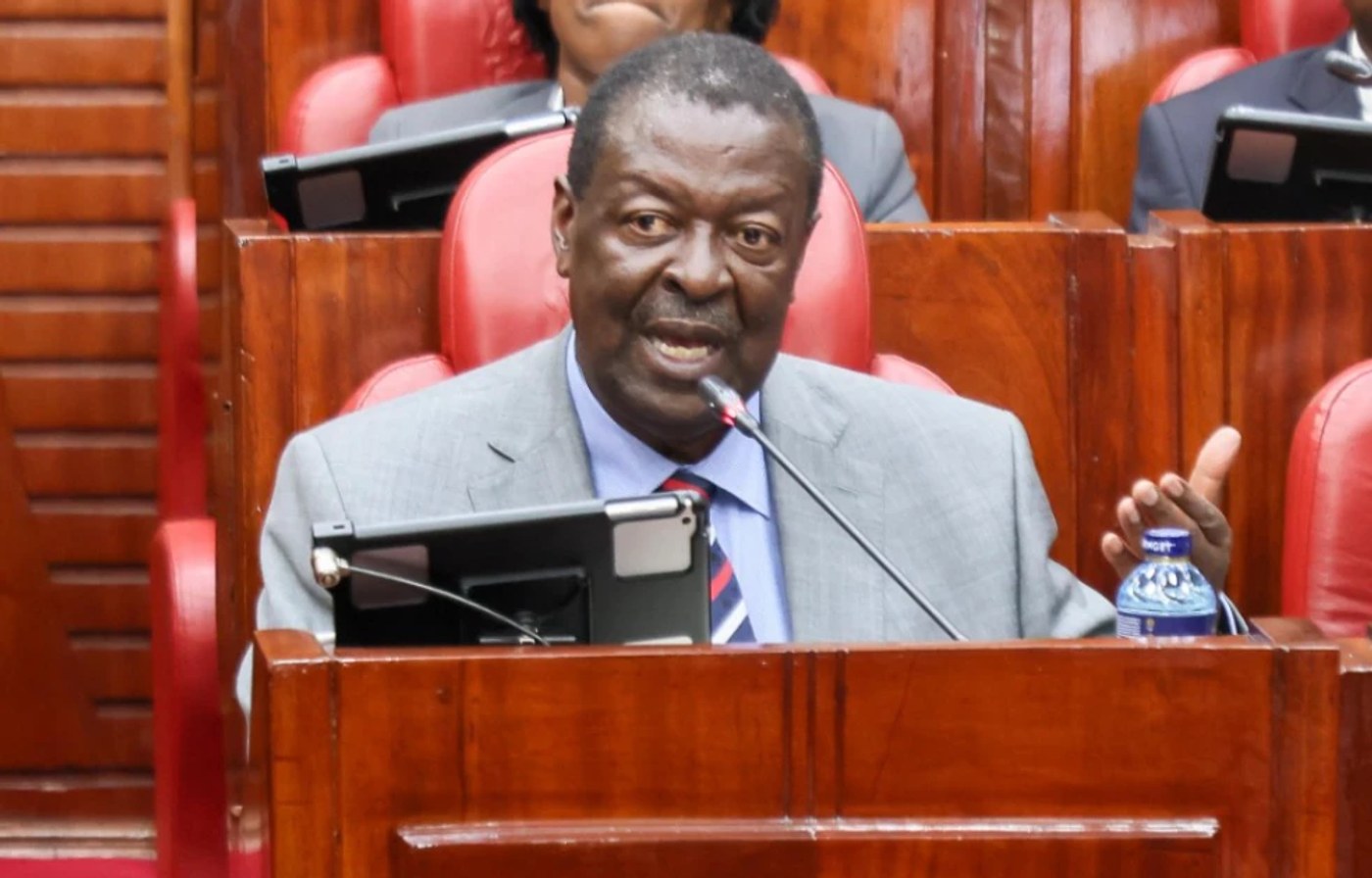
Former Makueni Governor Kivutha Kibwana has urged Edwin Sifuna, Babu Owino and their allies to protect Linda Mwananchi from internal fragmentation and ethnic political mobilisation.
People Daily’s 25 September report linked his warning to disagreements over the political vehicles associated with the movement’s leading figures.
Kibwana argued that the platform should not be broken apart by its leaders’ differences. The report also noted Babu’s earlier public insistence that his relationship with Sifuna remained intact.
The distinction matters: competing party preferences do not, on their own, prove that the movement has formally split.
Political Headache analysis
The organisational problem is how leaders with different ambitions make decisions together. Personal assurances of friendship can calm supporters, but they do not explain who chooses candidates, settles disagreements or authorises negotiations with another party.
Separate parties can cooperate through a coalition. ORPP’s guidance distinguishes this from a merger and explains that ordinary coalition members retain their own legal existence. That leaves room for cooperation without everyone joining the same organisation. ORPP coalition guidance.
The harder question is whether the participants can agree on terms they consider fair. A presidential contender and a politician pursuing a county seat may have compatible ambitions, yet still disagree about control of local nominations or the distribution of campaign resources.
For supporters, an explicit agreement would make it easier to understand what membership means and which decisions they can influence. It could also reduce the temptation to interpret every separate appearance as evidence of a rupture.
The next signs to watch are a common decision-making process, a clear explanation of party affiliations and an agreed approach to candidate selection.
Kibwana’s appeal identifies a risk; whether the movement manages it will depend on the arrangements its leaders build and their willingness to accept decisions that do not favour them.
Unity has an organisational meaning
A movement can bring people together around dissatisfaction with government while leaving its internal arrangements unsettled. That flexibility may help it grow initially, but it becomes harder to sustain once supporters need definite answers about membership, leadership and electoral choices.
Kibwana's warning is best understood against that practical problem. The issue is not whether every leader holds an identical ambition. It is whether their ambitions can be pursued through arrangements that participants understand and regard as legitimate.
An assurance that two leaders remain friends addresses one source of public speculation. It does not necessarily resolve differences over political vehicles. Personal relationships can support cooperation, but a durable organisation also needs procedures that survive disagreement between those individuals.
Those procedures matter most when the outcome is contested. A selection process accepted only by the winning side will leave a movement vulnerable to recurring disputes. Participants need to know in advance how decisions are made and how objections will be considered.
The available reporting does not establish that such arrangements have been finalised or abandoned. Describing the movement as already broken would therefore be premature. Equally, a public statement of togetherness should not be treated as proof that every organisational question has been settled.
What supporters need to know
For an ordinary supporter, uncertainty about a movement's party identity can create practical confusion. A person may support its leading figures without knowing where to register, which local meeting carries authority or how to contribute to an actual decision.
Prospective candidates face a related problem. Before committing time and resources, they need to understand the vehicle through which they would compete and the rules that would govern selection. Ambiguity at leadership level can therefore have consequences far below the national stage.
Our report on Sifuna allies' party discussions addresses the same transition from public mobilisation to formal organisation. Taken together, the stories show why a retreat or internal agreement can matter as much as the next widely shared speech.
One useful distinction is between cooperation on a particular issue and a comprehensive electoral arrangement. Leaders can coordinate a campaign, attend an event together or endorse a demand without having resolved how they will contest every position in an election.
Explaining the extent of an agreement would reduce avoidable confusion. Supporters should be told which decisions are shared, which remain with individual parties and what further negotiations are planned. A clear limited agreement can be more informative than a broad but undefined claim of unity.
Avoiding a dispute framed around communities
Kibwana's concern about ethnic mobilisation adds another dimension. An argument over party strategy should be examined through the positions and decisions of the people involved. It should not become an assumption that whole communities have identical interests or instructions.
Politicians may claim to speak for a region or constituency, but that claim still requires scrutiny. Residents can disagree about candidates, priorities and alliances. Their individual choices should not disappear behind the language used by those seeking to negotiate on their behalf.
For the movement, an inclusive programme would need to explain what binds supporters beyond the identities of its prominent leaders. That means identifying common policy priorities and showing how members can influence them, including when local concerns differ.
It also means distinguishing criticism of an internal decision from hostility to the movement itself. An organisation able to hear objections and explain its response has a stronger basis for continued cooperation than one that treats every disagreement as betrayal.
The next development worth reporting is a substantive response to Kibwana's appeal. A shared decision process, clarified affiliations or an agreed dispute mechanism would show how leaders intend to manage the risk he identifies. Until then, neither predictions of collapse nor declarations of settled unity are sufficient.
Photo details
WHAT TO WATCH NEXT
- Watch for agreed internal procedures and a response from the named leaders.
- Look for evidence that disputes have been resolved beyond public statements.