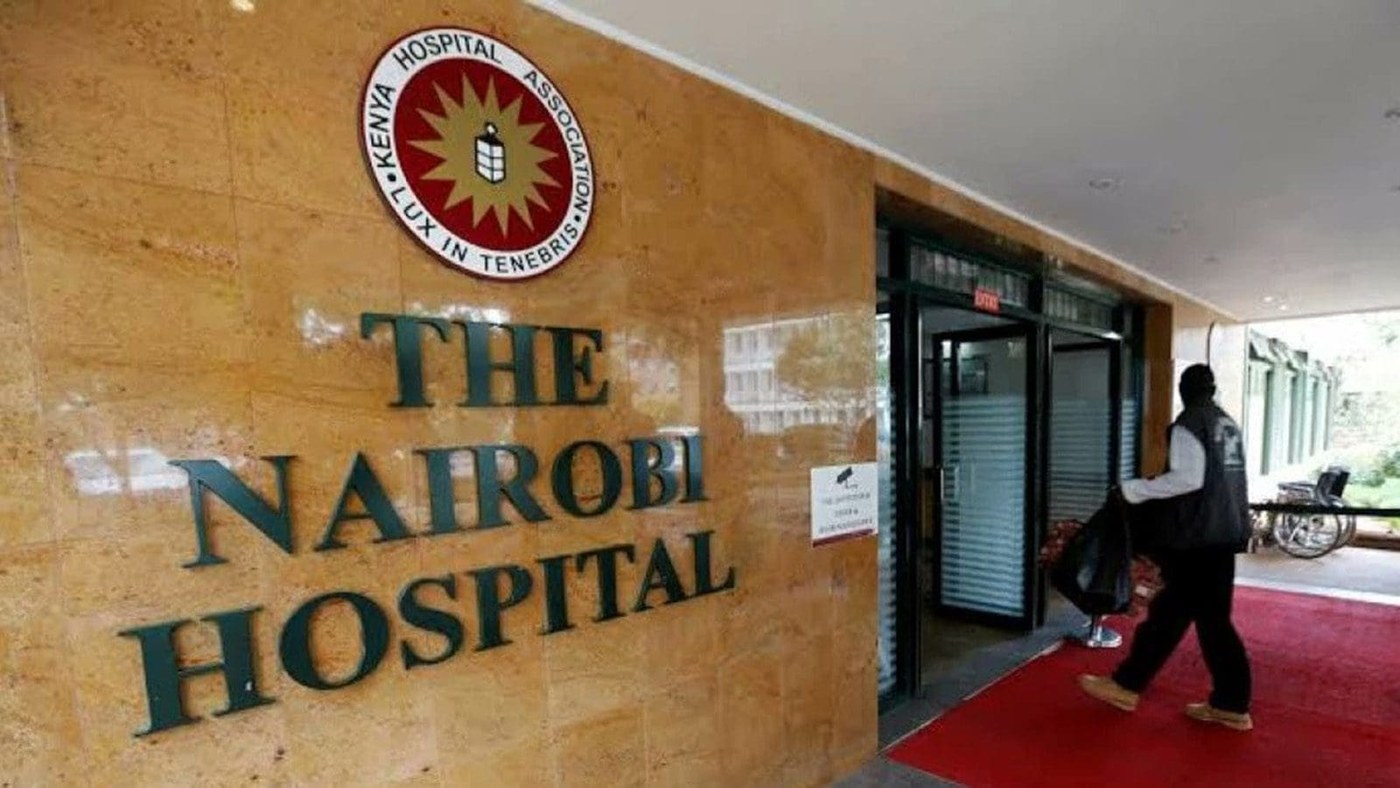
Kenya has confirmed its first case of Ebola. The patient, a Kenyan citizen who had lived in the Democratic Republic of Congo for seven years, died at Nairobi Hospital on the night of Monday, 5 October.
Health Cabinet Secretary Aden Duale announced the case on Tuesday, 6 October, describing it as the first case brought into the country. President William Ruto directed the National Security Council to convene and recommend measures.
The patient's route into Kenya
The man had fallen ill about a month before the case was confirmed and was treated at several hospitals in Congo, the Ministry of Health said. The World Health Organization said he travelled by road from Congo through Beni to Kampala on 2 October.
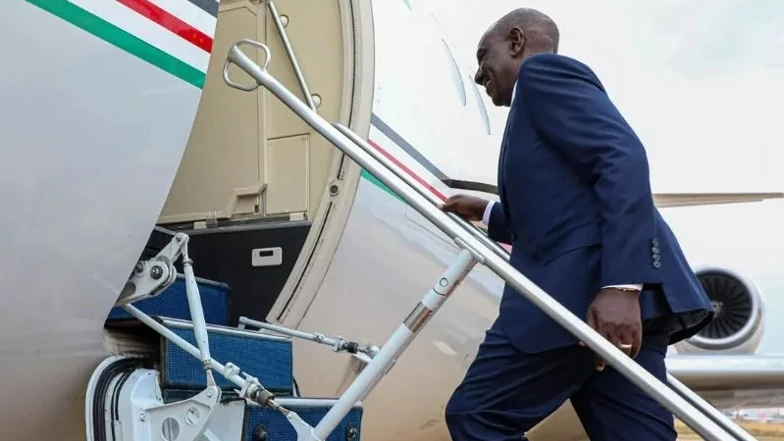
He then flew from Kampala to Nairobi, landing at Jomo Kenyatta International Airport on 3 October.
The ministry identified the strain as Bundibugyo virus, one of the Ebola species, after testing by the National Virology Reference Laboratory and the Kenya Medical Research Institute. Unlike the Zaire strain, there is no licensed vaccine for Bundibugyo, which makes early isolation and contact tracing the main tools.
The patient went through routine screening at JKIA before passing immigration. He died at 11.30pm on 5 October, the ministry said, and a safe and dignified burial following Ebola protocols was planned.
Duale said the ministry had confirmed the first imported case of Ebola Bundibugyo virus disease and that all systems were in place to limit spread. The WHO has been formally notified.
Who is being monitored
The Ministry of Health says 27 people from the flight have been identified and contacted, 23 passengers and four crew members. Eight family members and 21 health workers are in quarantine under daily monitoring.
The ministry also said 652,584 travellers had been screened as of 6 October, and that 267 samples had been tested across five laboratories, with one positive result.
The ministry has designated isolation capacity at Kenyatta National Hospital, Moi Teaching and Referral Hospital, the National Police Hospital and Nairobi Hospital, with bed numbers listed for each.
What the WHO says
The World Health Organization's Regional Director for Africa, Mohamed Janabi, thanked Kenya for promptly sharing information. He stressed the difference between an imported case and an outbreak.
An outbreak requires ongoing local transmission, which he said had not occurred in Kenya. The WHO has also advised against restricting travel or trade with affected countries on current information.
That matters for public reaction. Calls for lockdowns or border closures are common after a first case, but the WHO's position is that they are not justified by one imported case with contacts under monitoring.
The screening question
Former Chief Justice David Maraga, now a presidential aspirant, questioned how effective the entry-point measures were. He asked how the patient passed airport screening despite having been unwell for weeks.
It is a fair question, and it has a technical side. Airport screening mainly checks temperature and asks about symptoms and travel. A person who is not feverish at the moment of checking, or who does not declare symptoms, can pass through.
Screening is a filter, not a wall. The ministry's own figure of more than 650,000 travellers screened shows the scale of the task. What the public needs to know is whether this traveller was screened, what the screening recorded, and whether any warning signs were missed.
Maraga also asked for more transparency in the response and support for the people now in quarantine. Both are reasonable demands that the ministry can meet without compromising patient privacy.
There is also a question for the airline and for Ugandan border and airport authorities, since the patient crossed from Congo into Uganda by road and boarded a flight in Kampala. Regional coordination through the East African Community's health mechanisms will matter as much as Kenya's own checks.
Treating health workers have the hardest job. The ministry says 4,971 health workers have been trained in prevention, detection and management of Ebola. Whether facilities have enough protective equipment is a separate question, and one that health worker unions are likely to raise.
What the public should know
Ebola spreads through direct contact with the blood or body fluids of someone who is sick or has died from the disease, or with contaminated materials. It is not spread through the air in the way flu or COVID-19 are.
Symptoms can include fever, weakness, muscle pain, headache and sore throat, followed by vomiting, diarrhoea and in some cases bleeding. Anyone with these symptoms who has had contact with a known case, or recent travel to an affected area, should call the Ministry of Health hotline or go to a health facility, and avoid public transport.
Health workers carry the highest risk, because they care for patients before a diagnosis is made. The quarantine of 21 health workers reflects that.
The politics of a health emergency
The case comes as campaigning for 2027 intensifies, and responses have already split along familiar lines. That should not obscure the core facts: one imported case, contacts under monitoring, and no local transmission confirmed so far.
Clear daily updates from the ministry, including the number of contacts still under monitoring and the results of their tests, are the best defence against rumours.
Stigma is a real risk. The family of the deceased and the quarantined health workers did nothing wrong. Communities and employers should support them, and the public should rely on ministry updates rather than social media claims about who is infected.
What to watch
First, the monitoring period. Contacts are typically followed for 21 days, the maximum incubation period for Ebola. If none develop the disease, the risk from this case ends.
Second, any finding on how the patient passed through screening in Kampala and Nairobi, and whether airlines and border posts change procedures as a result.
Third, the ministry's daily figures. A sudden rise in samples tested, or any second confirmed case, would change the picture.
Photo details
WHAT TO WATCH NEXT
- Kenya confirmed its first Ebola case on 6 October 2026; the patient, a Kenyan who had lived in the DRC, died at Nairobi Hospital on 5 October.
- He travelled by road to Kampala and flew to Nairobi on 3 October; 27 flight contacts, 8 relatives and 21 health workers are being monitored.
- The WHO says there is no local transmission and advises against travel or trade restrictions.
- David Maraga questioned how the patient passed entry screening; contacts are usually monitored for 21 days.