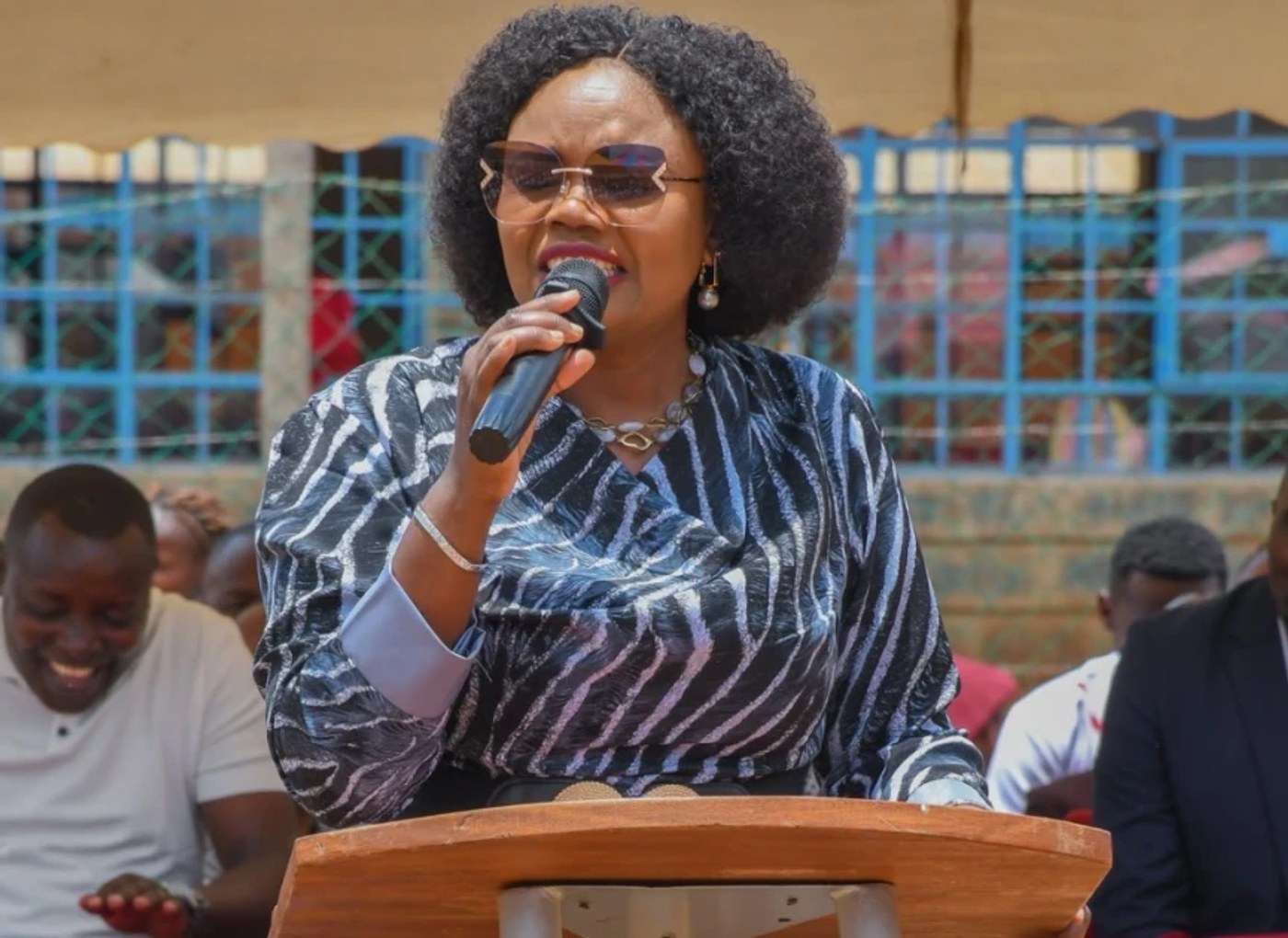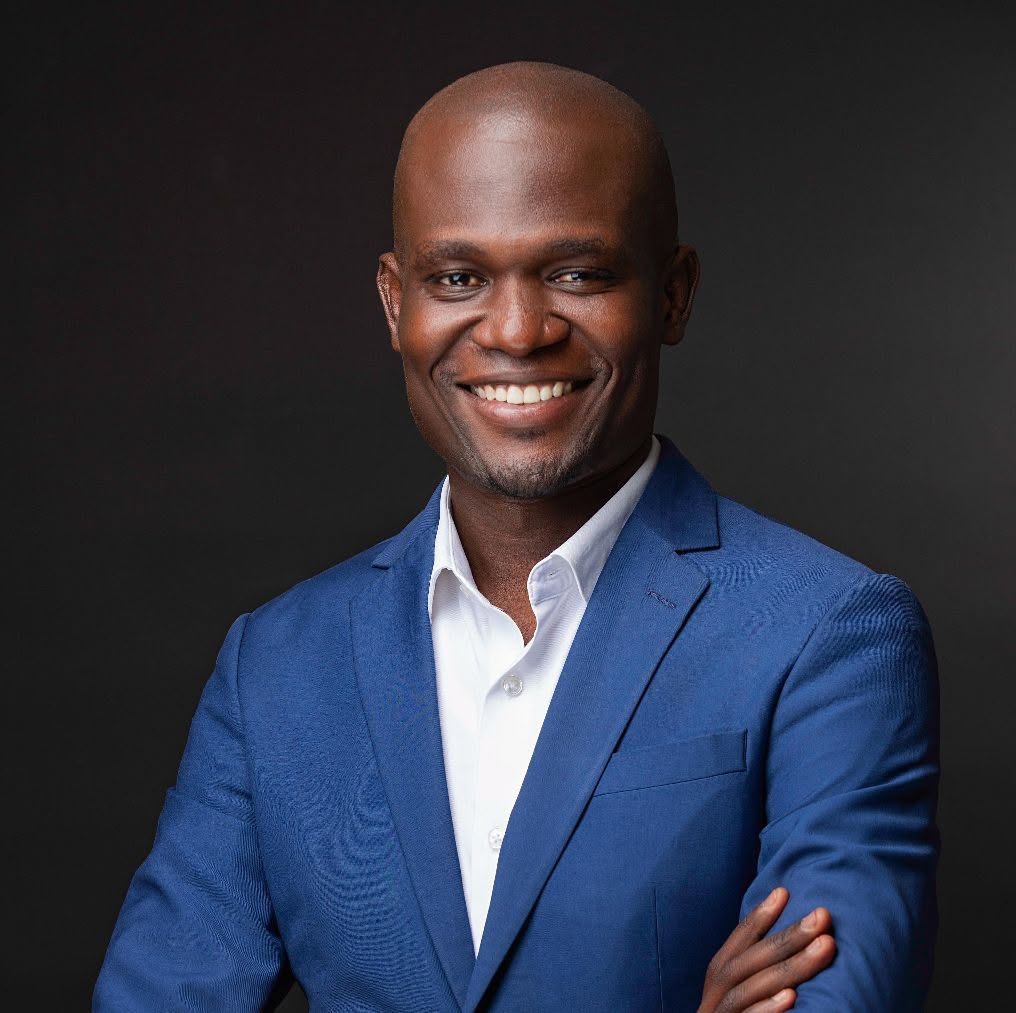
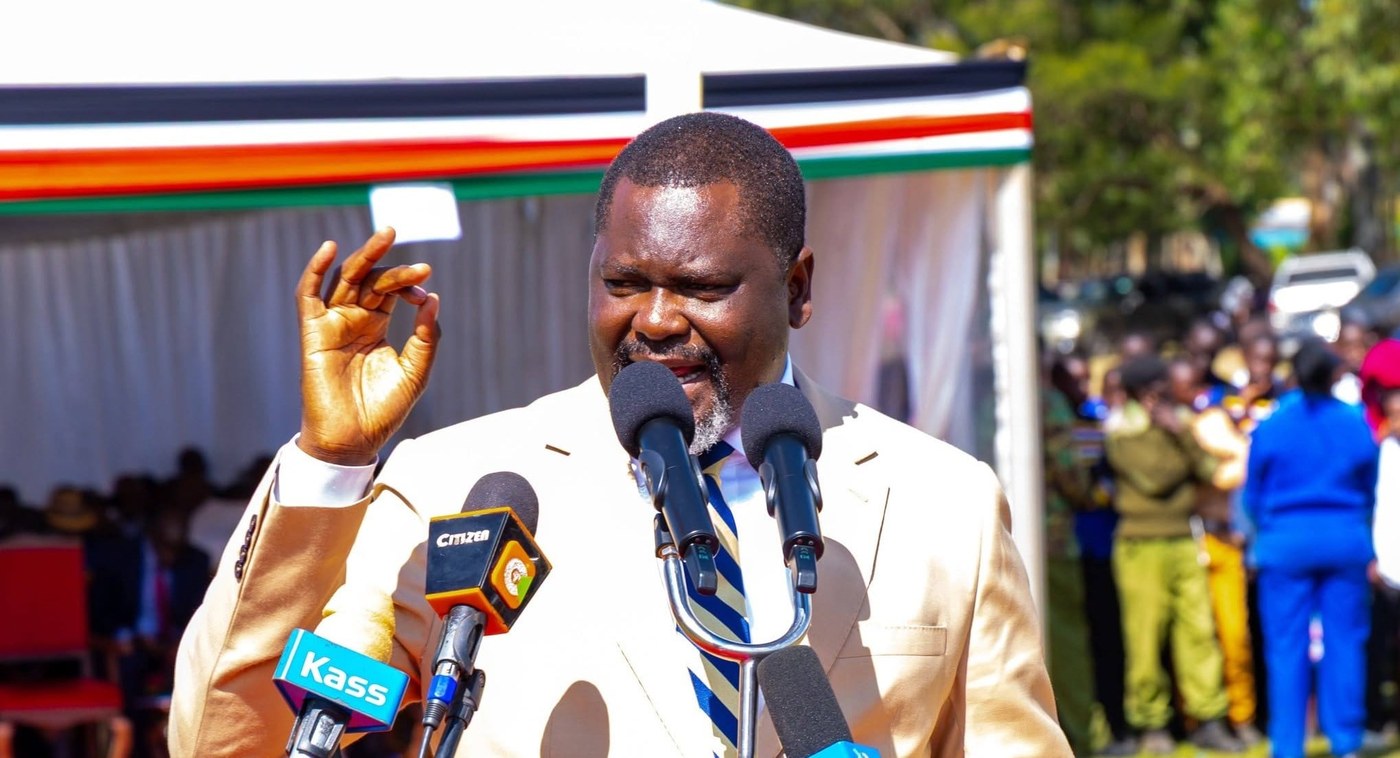
The National Cohesion and Integration Commission (NCIC) has found that remarks by Public Service Cabinet Secretary Geoffrey Ruku in Tharaka Nithi County in July crossed into "divisive ethnic generalisation and collective blame," and has ordered him to stop repeating them.
The determination, issued on 7 October, gives Ruku seven days to respond to a set of corrective measures, including a public withdrawal of the remarks in English and Kiswahili.
It is a rare formal finding against a serving Cabinet Secretary, and it lands in the middle of a bitter contest for the political loyalty of the Mt Kenya region ahead of 2027.
The commission was established after the 2007-08 post-election violence to police exactly this kind of speech. Its critics have long argued that it summons politicians, issues findings and then has little power to make them stick. This ruling is a chance to show otherwise, because it names a member of the President's Cabinet and sets a deadline.
What Ruku said
The remarks were made at Kiang'ondu, Tharaka Nithi, in July 2026. In its determination, the commission said they included references to Kikuyu people, claims that people from Mt Kenya West believed Kenya belonged to them, and the use of ethnic surnames to link communities to development and public appointments.
The commission also considered Ruku's repeated references to stepping on former Deputy President Rigathi Gachagua's neck. It treated that imagery as figurative political language, but said a public leader must take more care with it.
Ruku's broader argument has been about development. "I will divide the mountain because I want to get my people's development," he has said, arguing that Mt Kenya East, meaning Embu, Meru and Tharaka Nithi, backed leaders from the western side for more than six decades without matching infrastructure. After his appearance before the commission on 1 September he described the session as cordial, saying "we have clarified where we needed to clarify."
His defence
Ruku appeared before the commission with his lawyers. He admitted making the remarks but argued that the Constitution protects distinct ethnic identities and allows communities to advocate for equitable development and representation. He denied any ill will towards the Kikuyu community and said the neck reference described political defeat rather than physical harm. The commission rejected that defence, saying Cabinet Secretaries remain bound by the National Cohesion and Integration Act.
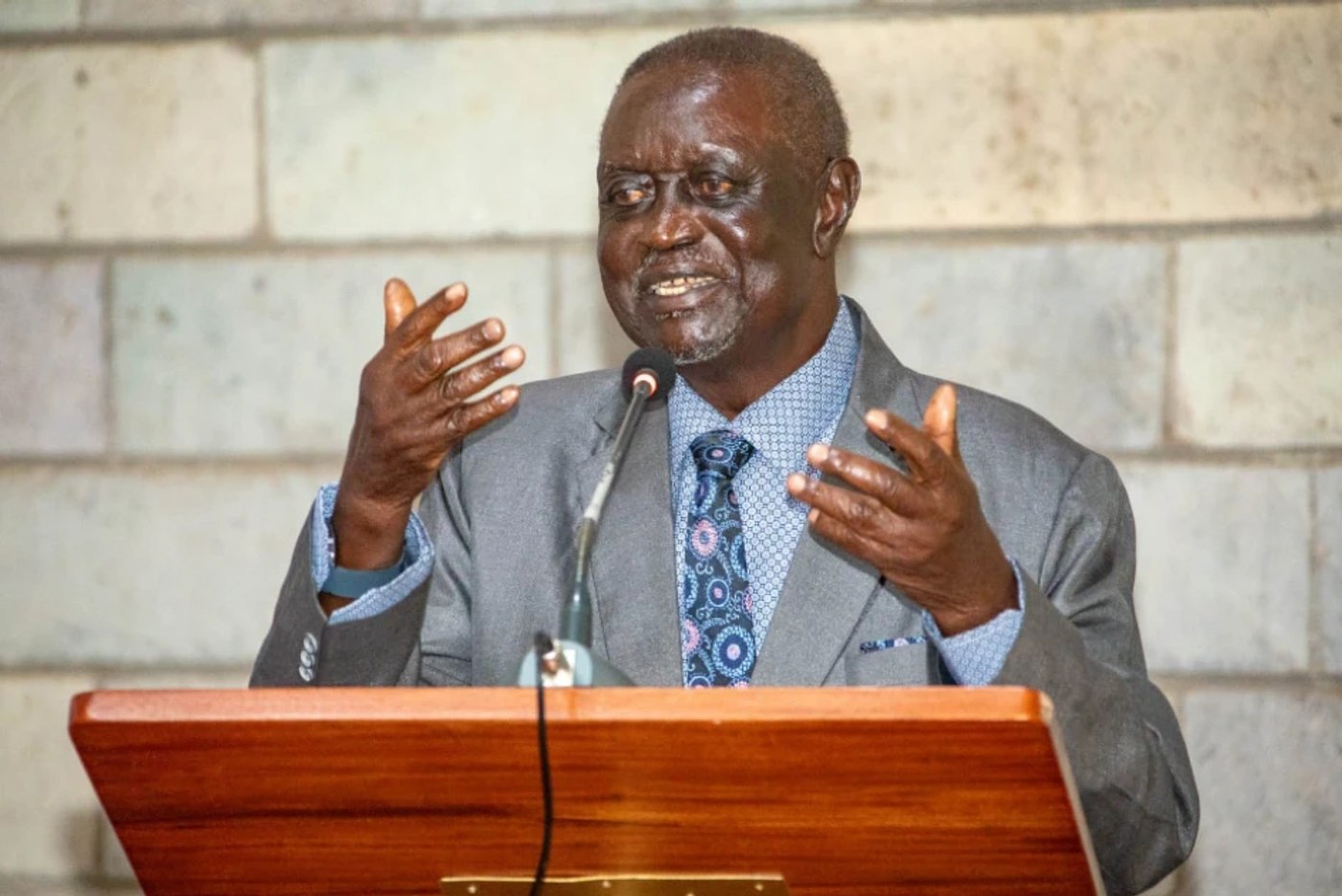
NCIC chairperson Bishop Kepha Omae said the remarks "undermined equal dignity and harmonious relations." The commission said Ruku's position as a Cabinet Secretary gave his words greater influence and required greater restraint.
The orders
Ruku must immediately stop repeating or promoting the remarks. He is asked to publicly withdraw, in Kiswahili and English, statements that Kikuyu people regard Kenya as their property or are collectively responsible for gaps in development and appointments.
He is also asked to affirm equal citizenship and dignity for all communities, join a dialogue on development and appointments, help develop a non-partisan peace caravan involving communities from Mt Kenya East and West, and fund a peacebuilding activity subject to NCIC approval.
NCIC acknowledged Ruku's earlier reconciliation steps, including returning a symbolic axe and accepting a flywhisk, describing them as genuine first steps. It said they did not erase its findings. The findings stand whether or not he accepts the terms, and the commission warned it may take further lawful action under the National Cohesion and Integration Act if conciliation fails.
An audit that could matter more
The most far-reaching part of the ruling is not about Ruku at all. NCIC ordered an audit of ethnic diversity in national public institutions, to check compliance with constitutional and legal requirements on representation.
The commission was careful to say it had not established any institution's compliance, and that the audit must use official staffing and appointment records rather than assumptions based on surnames. Institutions will be allowed to verify findings before any report is published.
In effect, NCIC rejected Ruku's method while taking his underlying question seriously. If public appointments are unfairly distributed, that should be proven with records, not asserted from a podium.
Not the only case
The commission issued a parallel ruling against Mukurweini MP John Kaguchia over remarks at a political gathering in Kieni, Nyeri County, which it found amounted to threats, intimidation and coercion against people based on their political choices. Kaguchia, who was arrested on 3 August and charged with offensive conduct, was ordered to retract and apologise in Kikuyu, Kiswahili and English, and to affirm that Kenyans may support any leader without intimidation. He had asked the commission to rely on the Kikuyu original of his speech; it relied on a certified translation and an audio recording. He is entitled to the presumption of innocence in the criminal case.
Two rulings in one day, one against a government Cabinet Secretary and one against an opposition-aligned MP, allow NCIC to argue it is even-handed. Critics will note that both outcomes are conciliation orders rather than prosecutions.
Ruku has faced calls for his removal before. In December 2025 a group of Mt Kenya leaders allied to Gachagua, mainly from Embu, demanded that President Ruto sack him after he said Gachagua did not own Mt Kenya. Neither State House nor Ruku had publicly responded to the new determination by Thursday.
What to watch
First, Ruku's response within seven days. Will he issue the withdrawal in the agreed wording, propose changes, or contest the finding?
Second, State House. The Cabinet is collectively responsible for national unity. Silence from the President would be read in Mt Kenya West as tolerance.
Third, consistency. Health CS Aden Duale's July remarks in Mandera are also under NCIC investigation. How and when that probe concludes will show whether the commission applies one standard to all members of the Cabinet.
Fourth, the ethnic diversity audit: its terms of reference, timeline and whether the final report is published in full.
Photo details
WHAT TO WATCH NEXT
- NCIC found CS Geoffrey Ruku's July remarks in Tharaka Nithi amounted to divisive ethnic generalisation.
- He has seven days to respond to orders including a public withdrawal in English and Kiswahili.
- NCIC ordered an audit of ethnic diversity in national public institutions using official records.
- A parallel ruling ordered Mukurweini MP John Kaguchia to retract and apologise.