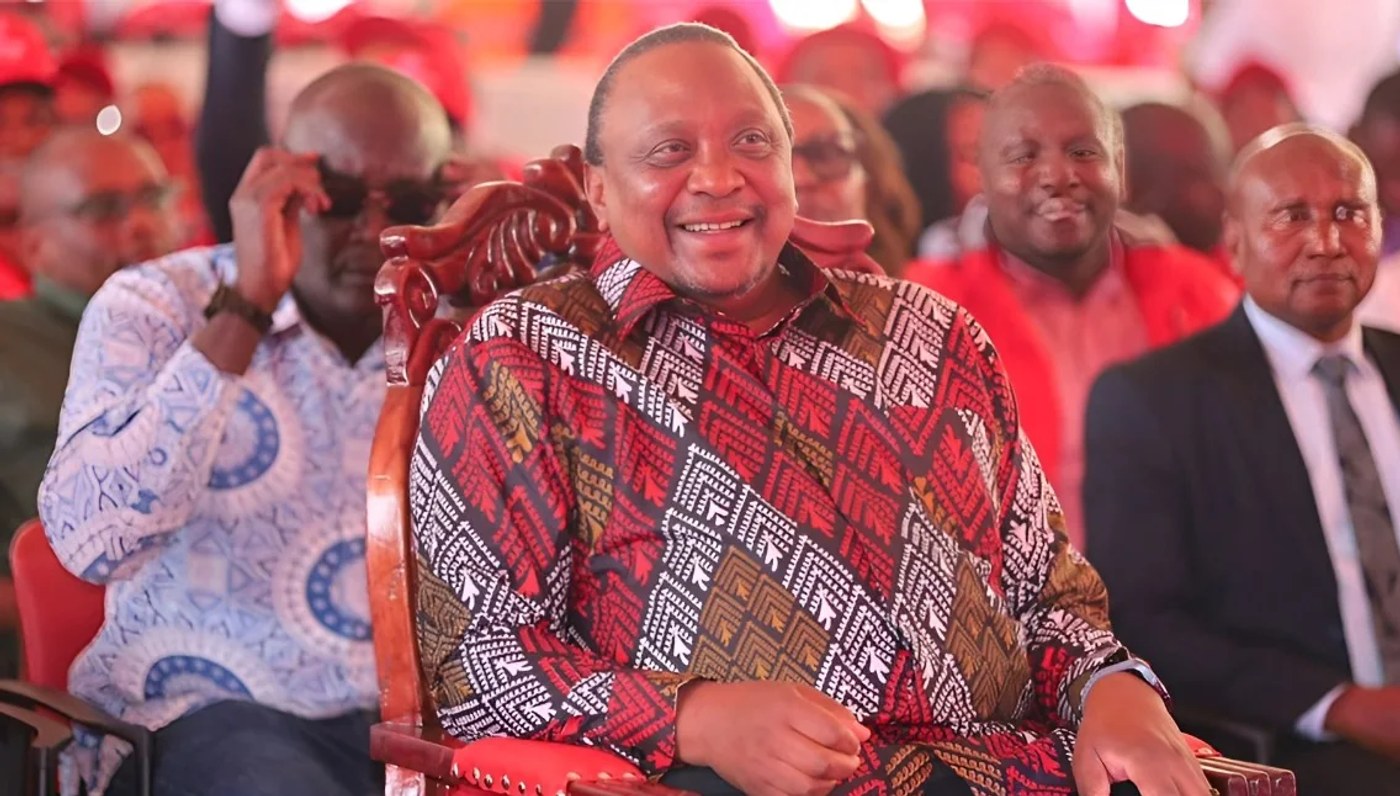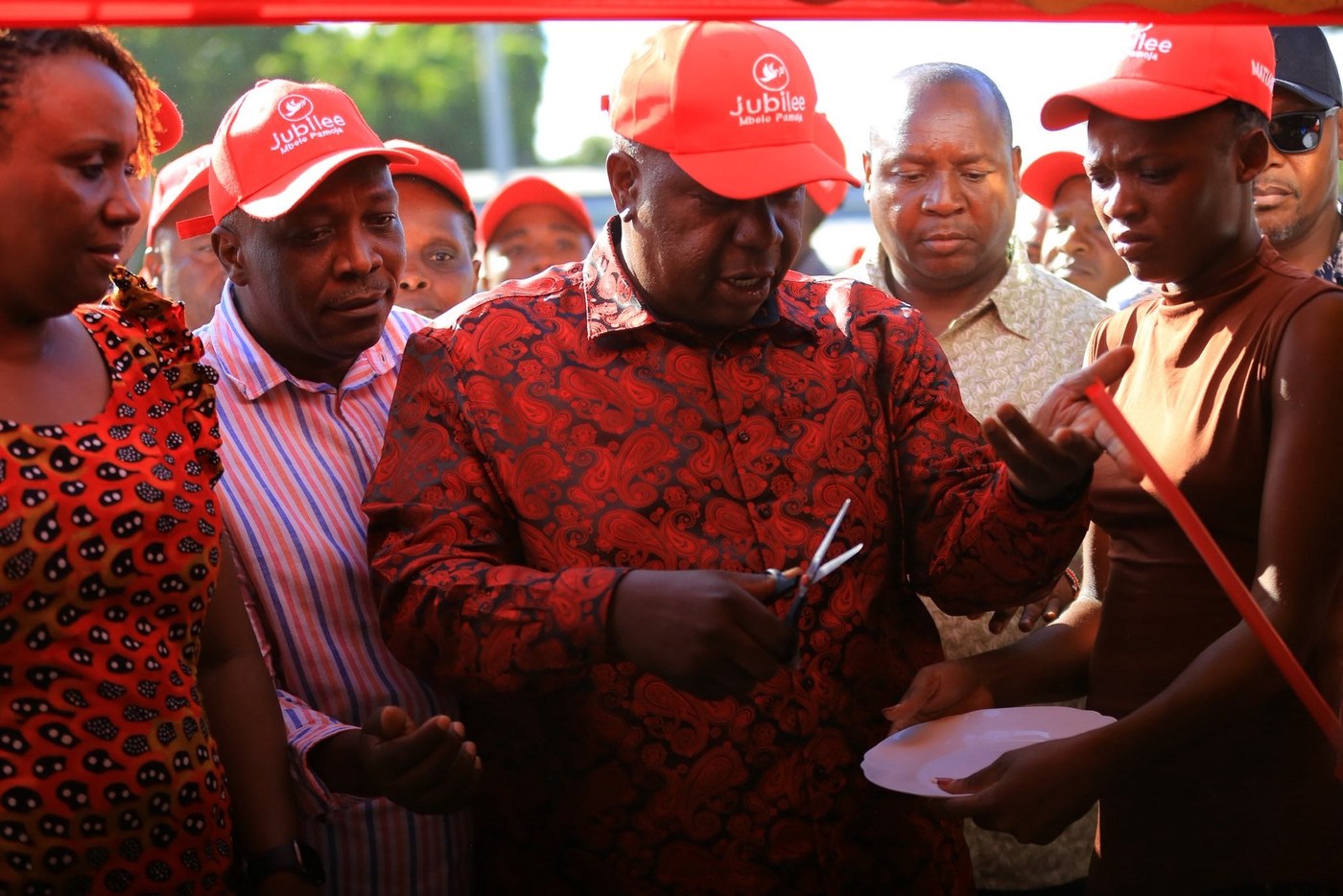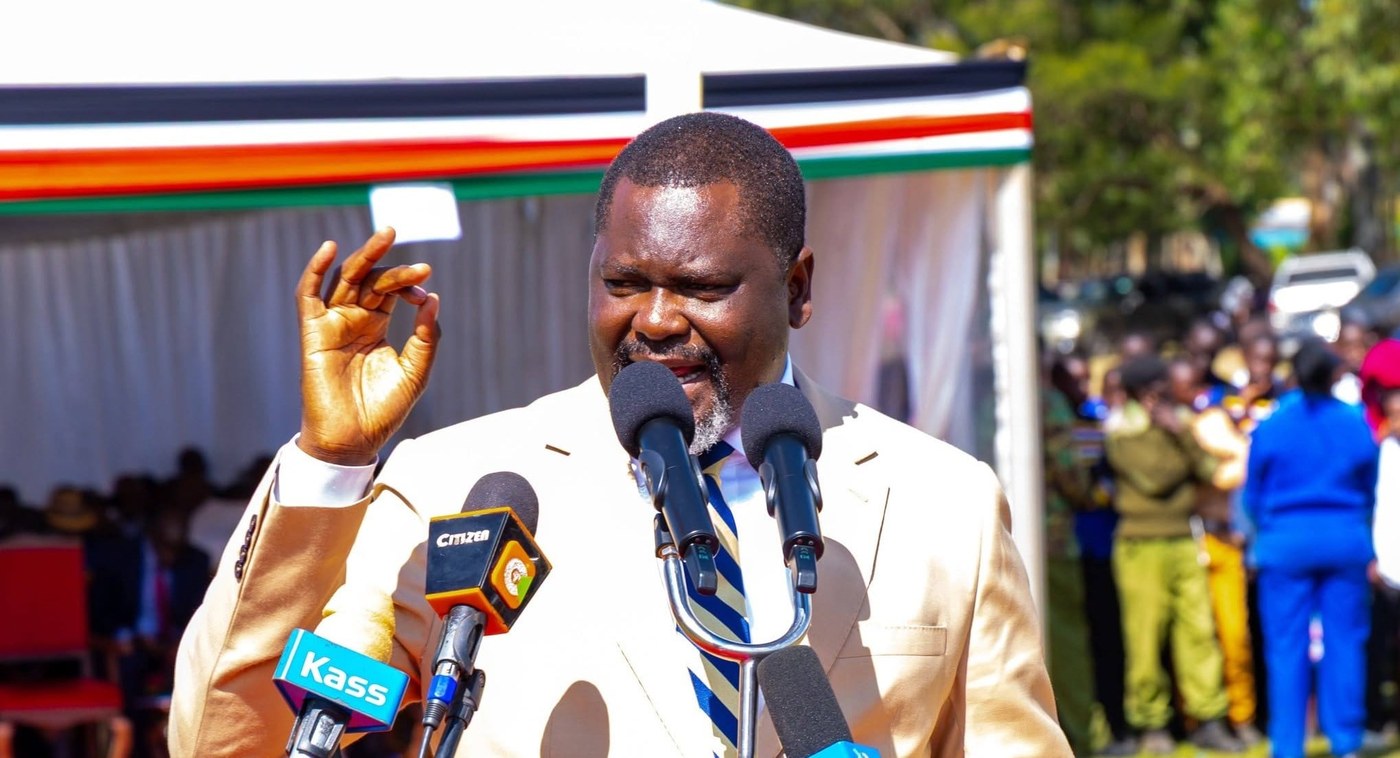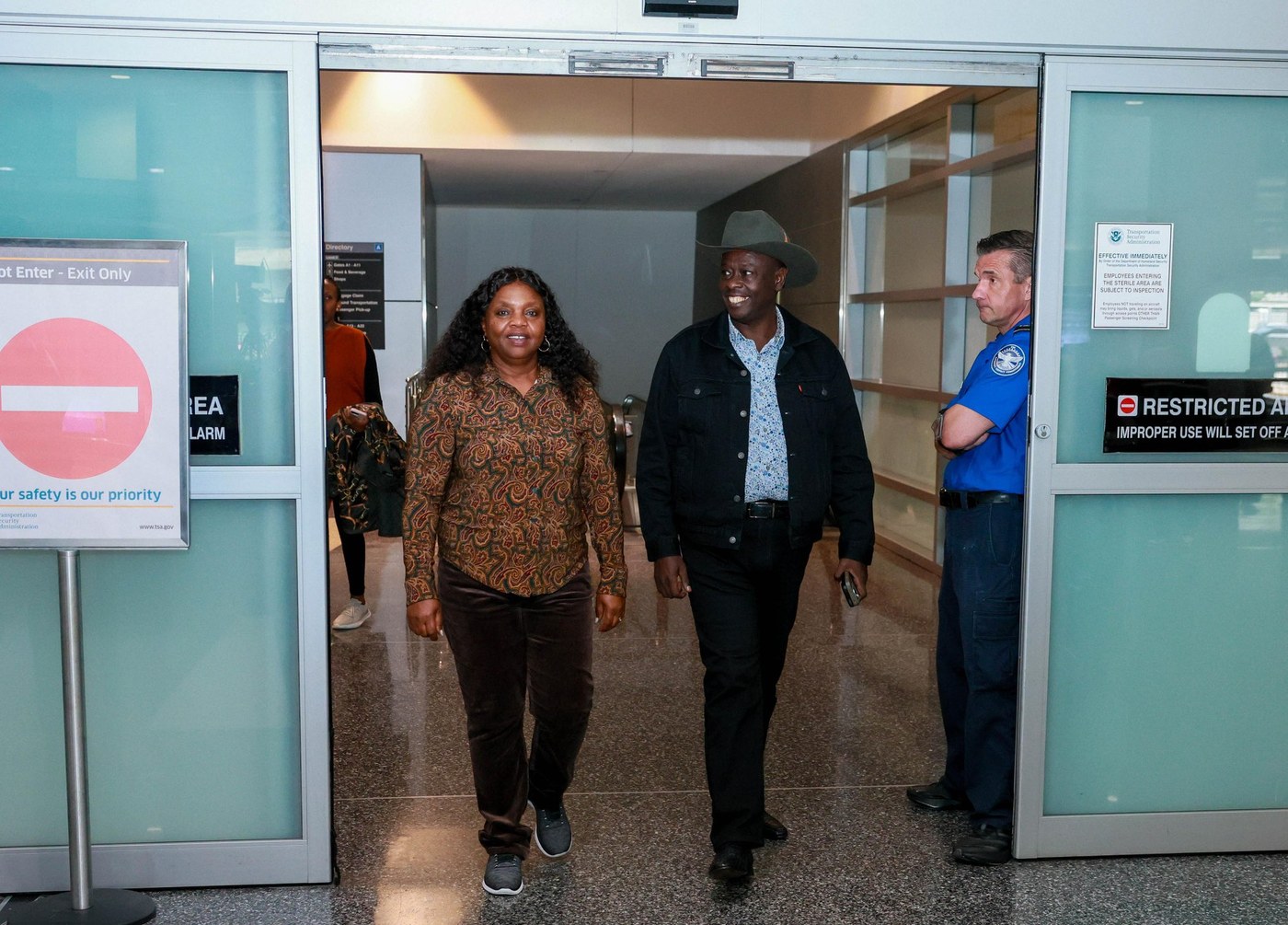
Democracy for Citizens Party (DCP) leader Rigathi Gachagua has said he would give up his presidential ambition if that is what it takes for the opposition to agree on one candidate for 2027. He spoke on Sunday 4 October during his United States tour, at a church service in Springfield, Massachusetts, and an engagement with clergy in Boston.
“We shall make whatever sacrifices possible to make sure we get one single presidential candidate to go to the election,” Gachagua said. If the situation called for him to sacrifice his ambition “so that we win and restore our country,” he said, “I would do so at 6:00 a.m. in the morning.”
In the same remarks he made clear he does not expect to be the one stepping aside. “As we speak, I'm the front runner, I have millions of people behind me,” he said. He added: “I am that patriotic, I am that selfless.”
A pledge with conditions
The pledge is notable because Gachagua has rarely framed his candidacy as negotiable. But it comes with a claim of dominance that, if accepted by others, would make the sacrifice unnecessary.
He also predicted that DCP would win a majority in the National Assembly and control county assemblies in nearly 20 counties. “Our party is the most popular party in Kenya because we have listened to the people on the ground,” he said. Those are campaign claims, and he offered no data to support the forecast.
Gachagua is in Boston for the final leg of a tour of about 50 days. His published itinerary places him in the city from 1 to 9 October.
The DCP position on coalitions
The single-candidate pledge sits uneasily with DCP's stance on the main opposition coalition. On 23 September, DCP deputy leader Cleophas Malala said the party would not join Kalonzo Musyoka's newly rebranded Ukombozi Alliance. “We as DCP cannot join the Ukombozi Alliance. They should join together as TUA,” Malala said. He said DCP would first form a coalition with Senator Edwin Sifuna's camp, then negotiate with TUA.
Gachagua has since welcomed Sifuna's takeover of The Equitable Party, launched on 4 October. “I encourage you to move with speed to market your new party and identify strong aspirants in your stronghold,” he told Sifuna.
In that message Gachagua described the coming contest as “WANTAM and Round ONE,” and said he was encouraged that “the journey to form the 6th Administration is becoming more defined.” The language is telling: it assumes a single opposition push to defeat Ruto in the first round, while backing yet another separate party vehicle in Sifuna's camp.
Then came Uhuru Kenyatta's resignation as chair of the Azimio council, now TUA, made public on 7 October. Gachagua's name is circulating as a possible new council chair, with Siaya Governor James Orengo floated as co-chair. Neither DCP nor the alliance has confirmed this.
Everyone says one candidate
Gachagua is not the only principal promising to fold behind a joint ticket. Former Chief Justice David Maraga, asked in Minnesota during his late-September US tour whether he would respect the opposition's choice, replied: “Of course.” He said he was taking part in talks to choose a single candidate.
At the burial of Martha Karua's father in Kirinyaga on 3 October, DAP-K leader Eugene Wamalwa urged Karua to convene the opposition and help pick one candidate. “Bring us together, na wote tukubaliane wote tuungane tutoe mtu mmoja,” he said, roughly: let us all agree, unite and produce one person.
So the principle is agreed. What is missing is the method. There is no published timetable, no agreed formula, whether a poll, a negotiated deal or a primary, and no single forum that includes all the main contenders. DCP is outside TUA. Sifuna is building his own party. Jubilee's Jeremiah Kioni has just questioned his party's place in TUA.
Why it matters
A joint ticket is the opposition's central argument for 2027: that only a united front can stop President William Ruto from winning in the first round. Voters can fairly ask whether each pledge to step aside is a real commitment or a way to look reasonable while claiming the top spot.
Gachagua's “6:00 a.m.” line will be quoted back to him. If the opposition settles on someone else, his supporters will expect him to honour it. If he is chosen, rivals who made the same promise will face the same test.
The diaspora setting matters too. Gachagua asked Kenyans abroad to help write DCP's manifesto, seeking input from professionals in agriculture, health, finance, engineering and security. A manifesto written for one party may need to be merged with others if a joint ticket emerges.
What to watch
Watch whether Gachagua repeats the pledge at home after the tour ends. Watch whether TUA formally offers him the council chair, and whether DCP accepts a role in an alliance it has said it will not join.
Most of all, watch for any agreed mechanism for choosing the candidate. Until the principals sign up to a process with dates and rules, the single-candidate promise remains just that.
Photo details
WHAT TO WATCH NEXT
- Rigathi Gachagua said on 4 October in Massachusetts that he would give up his bid if needed for a single opposition candidate.
- In the same remarks he called himself the front-runner and predicted a DCP majority in Parliament.
- DCP has said it will not join the Ukombozi Alliance; Gachagua's name is circulating, unconfirmed, as a possible council chair.
- Maraga and Wamalwa have also backed a single candidate, but no selection process has been agreed.