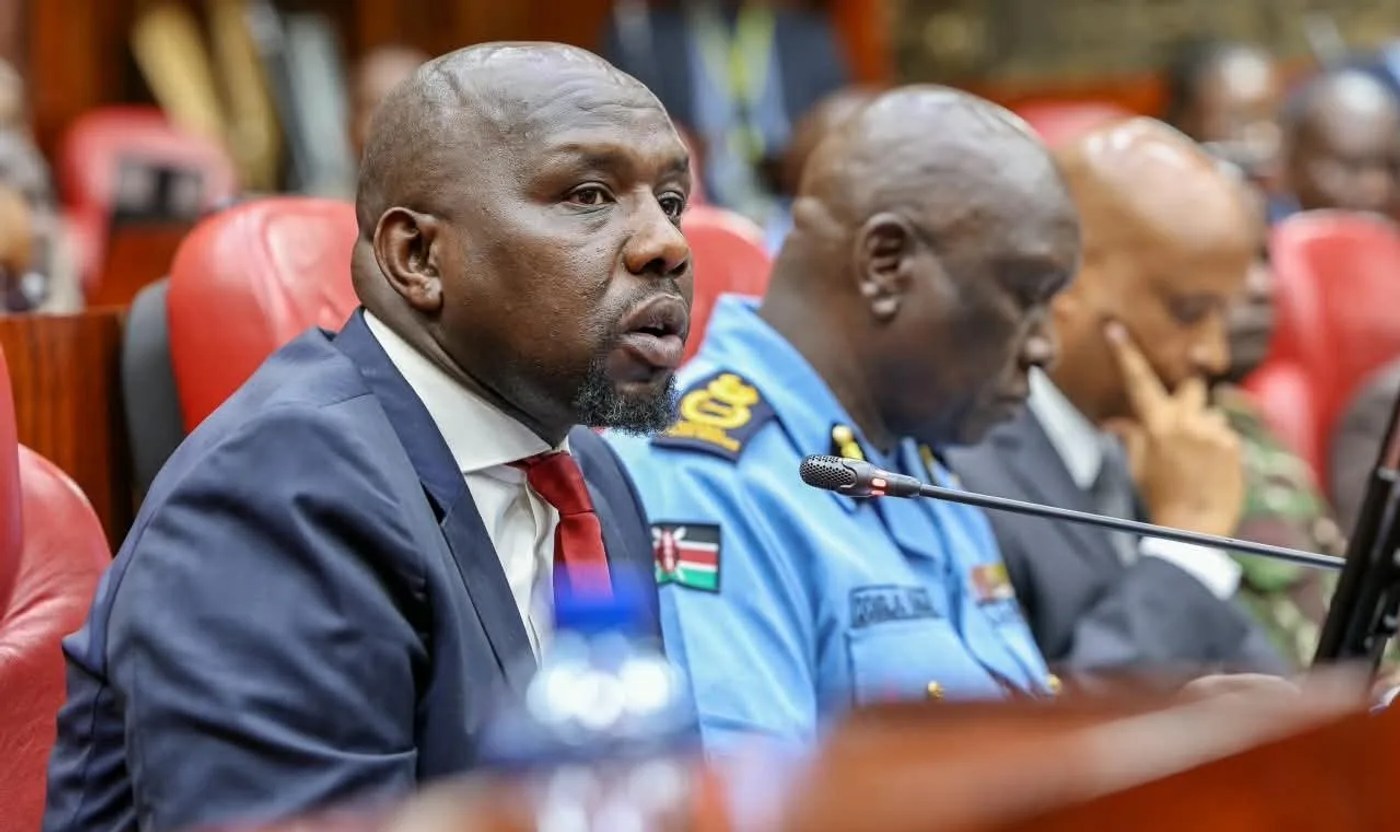
Interior Cabinet Secretary Kipchumba Murkomen has ruled out compensation for livestock killed during a police operation in Samburu County last month, telling MPs that "there is no legal policy framework for carrying out that compensation."
Murkomen appeared on Wednesday before the National Assembly's Departmental Committee on Administration and Internal Security, chaired by Narok West MP Gabriel Tongoyo, alongside Inspector-General of Police Douglas Kanja and DCI boss Mohamed Amin. The National Assembly had summoned him and Kanja after Samburu residents petitioned Parliament.
The session turned into a clash over two questions: whether the state owes herders for animals its officers shot, and whether marginalisation explains banditry or excuses it.
What happened in Waso
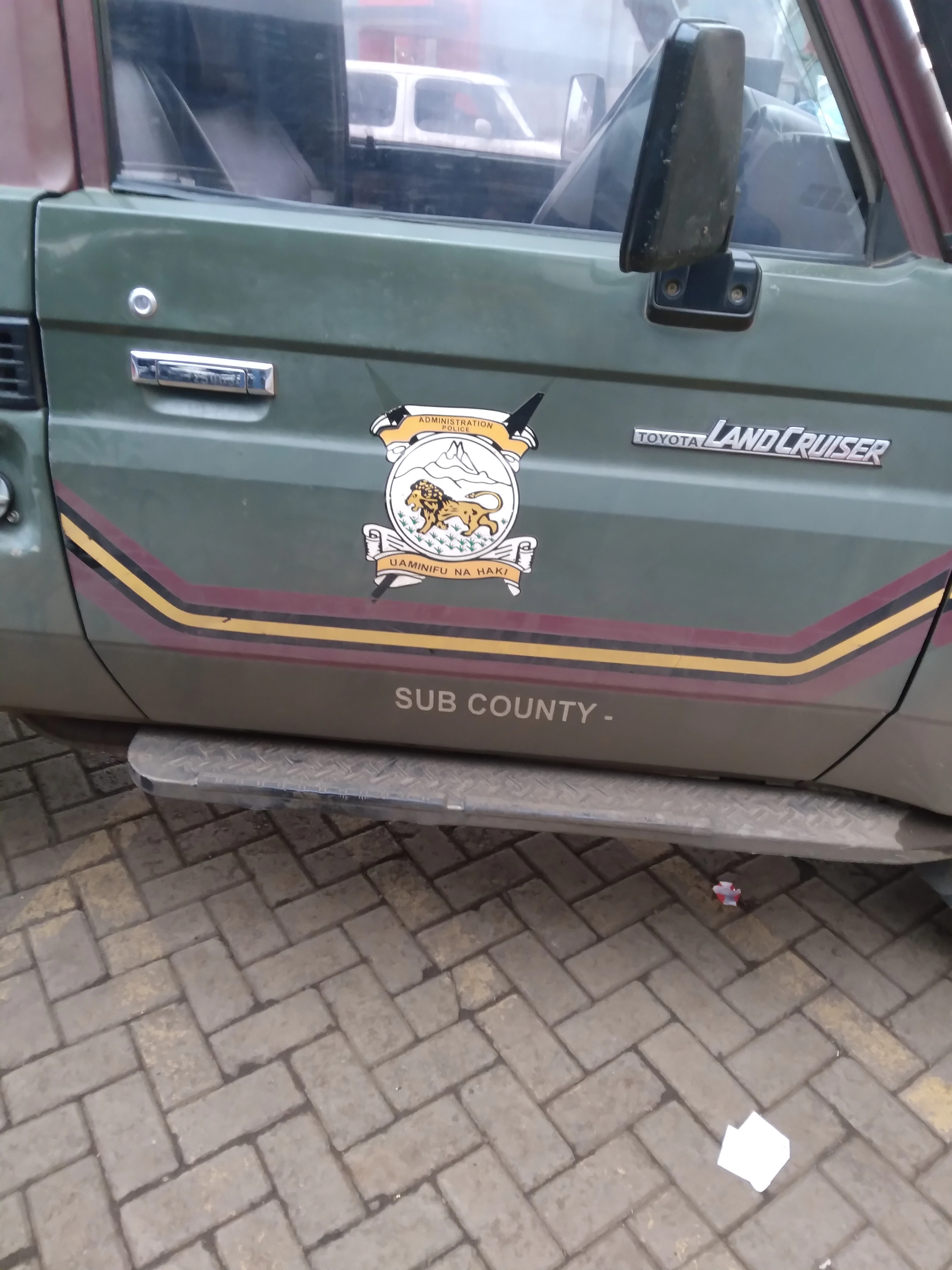
The petition arose from a security operation that began on 19 September in Waso ward, Samburu County, involving the General Service Unit and the Anti-Stock Theft Unit.
Samburu Woman Representative Pauline Lenguris told the House that shootings on 19 and 21 September killed hundreds of goats and calves, and that 198 cattle and 14 donkeys were killed at Lekilash on 23 September. She put the total at "at least 713 livestock". Governor Lati Lelelit has demanded compensation for 763 animals.
Resident Raphael Lekeiyala called the operation "economic sabotage" and said "not even a single bandit was shot or arrested."
Samburu MPs had already raised the matter in plenary. "It is wrong, Mr Speaker, for government officers to deliberately kill livestock," Samburu East MP Jackson Lekumontare told the House, while Samburu North MP Dominic Letipila said the animals were "recklessly killed in three consecutive days."
The residents' petition asks Parliament to summon the GSU and ASTU commandants to explain who authorised the operation and under what rules of engagement, to order an independent investigation, to compensate verified losses, and to require a report on how future operations will separate criminals from ordinary herders.
Murkomen's numbers
Murkomen disputed the figures. "There's been a figure of 700 that has been circulating, but the number was 237 and we have the OB," he told the committee, referring to the police Occurrence Book.
He said public estimates ranged from 700 to more than 1,000, adding that "everybody is giving a number that they wish," and questioned photographs of dead animals circulating online. He said the DCI must establish the number, who shot the animals and in what circumstances. Officers found to have acted unlawfully would face disciplinary action, and civilians found culpable would be prosecuted, he said.
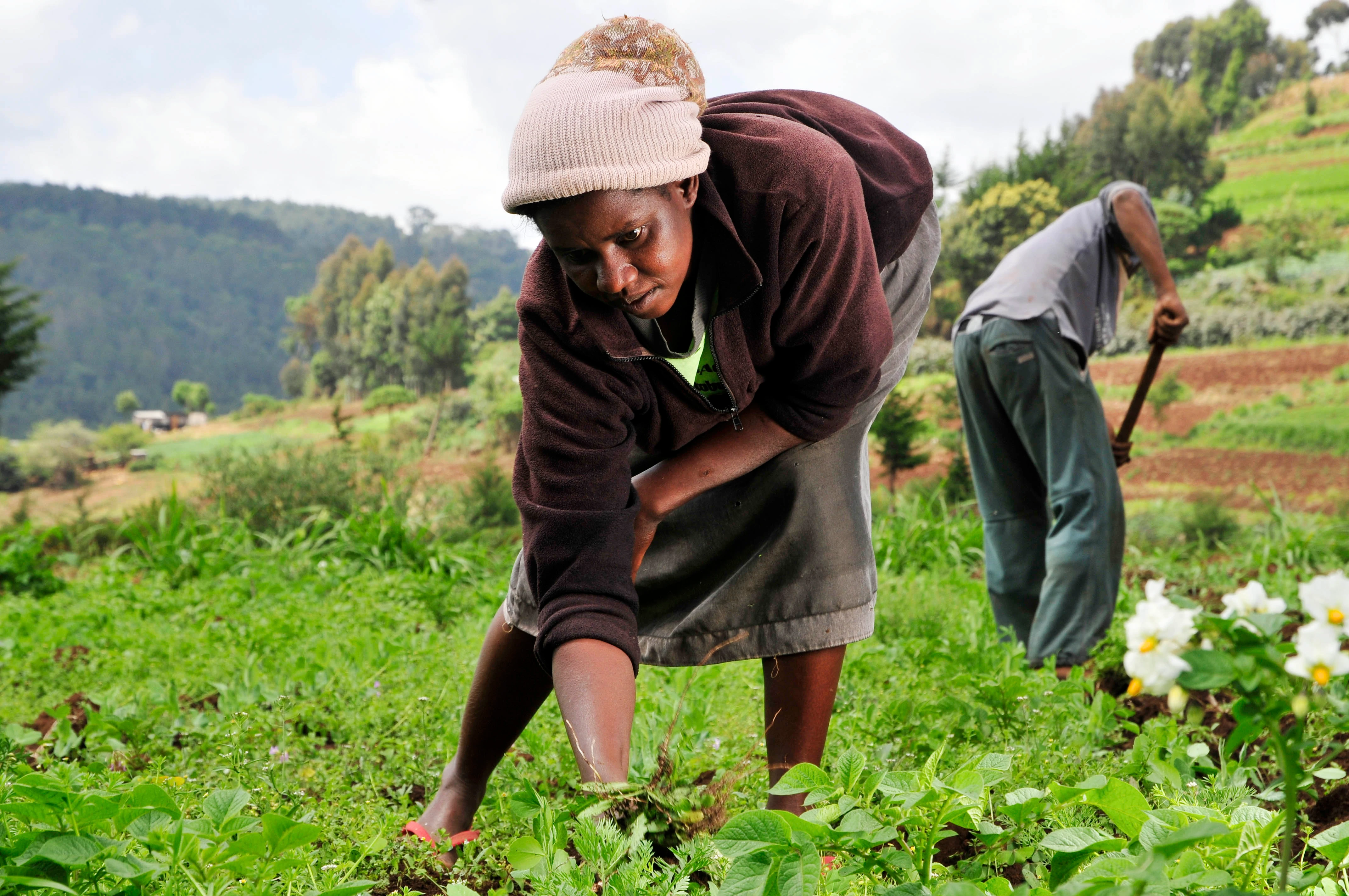
Even on the government's own count, 237 animals were killed in an operation meant to target bandits. In a pastoralist economy, that is a serious loss for the families involved, whoever is ultimately found responsible.
The Pandora's box argument
Murkomen's case against compensation is about precedent and budgets. "If I were to say we are compensating people, I would be opening a Pandora's box," he said. The ministry has no budget line for it, he argued, and he urged that funding for security roads be restored to the Interior Ministry.
Lelelit's response was that the community is demanding compensation because the government has accepted that it killed the animals. Petitioner Lenas Leshore said: "This was a case of mistaken identity. We will not accept anything short of compensation."
The CS has a point that there is no specific statute for compensating victims of police operations. But the absence of a framework is a policy choice, not a law of nature. Ministers can propose one, and the Treasury can fund one. Courts have also ordered the state to pay for unlawful acts by its officers.
Marginalisation or excuse?
Murkomen named marginalisation as the main driver of banditry. "There are no roads. There is no network. There are no schools," he said of parts of Samburu and Tiaty. He said 14 people had been killed and 17 injured in banditry incidents in the region between June and September, and warned that deploying officers without tackling those gaps would bring only temporary relief.
Meru MPs rejected that framing. Buuri MP Mugambi Rindikiri said marginalisation "is not justification" for killings and that his constituents want compensation. Igembe North MP Julius Taitum pointed out that North Eastern, also historically marginalised, has not seen banditry on the same scale. "Any life is sacred," he said.
Samburu leaders took the opposite angle, defending livestock as the backbone of household wealth. "For us, livestock is sacred; they have no voice, and that is why we have become their voices," Lenguris said. Samburu West MP Naisula Lesuuda warned that unfulfilled promises were pushing communities to arm themselves, adding: "If people can kill then there can never be development."
The plan
Murkomen proposed new roads, dams to ease competition over water and pasture, and a five- to ten-year development plan, describing cattle rustling as organised crime rather than culture. He said authorities would pursue buyers, gun suppliers and informants, not just raiders.
He also announced changes to the National Police Reserve: recruitment through public barazas followed by vetting, central training and supervision, improved stipends and Social Health Authority cover from January. A policy paper is due before Cabinet.
What to watch
First, the DCI's findings on how many animals were killed, by whom and on whose orders, and whether they are published.
Second, the committee's report on the petition, and whether it recommends a compensation mechanism in law.
Third, the five- to ten-year development plan: whether it appears in the budget with figures, or remains a promise made under pressure.
Photo details
WHAT TO WATCH NEXT
- Murkomen told MPs on 7 October there is no legal framework to compensate herders for livestock killed in a Samburu police operation.
- Police records show 237 animals killed, he said; Samburu leaders say more than 700.
- He blamed banditry on marginalisation; Meru MPs said that was no justification for killings.
- The DCI is investigating; officers found to have acted unlawfully face discipline.