As Secretary-General of Safina, I have a political stake in the economic argument before the country. That makes it more important to be clear about the standard I am proposing. Government borrowing should be judged by what it delivers to citizens and what it costs the productive economy. The same standard must apply to the alternatives advanced by those of us outside government.
As Kenya moves towards the 2027 election, every major spending commitment should come with that page. A promise to expand services deserves a hearing. It also deserves a financing plan that can be examined without belonging to the candidate’s campaign team.
The Treasury’s 2026 Budget Policy Statement assesses Kenya’s public debt as sustainable but at high risk of debt distress. Those two descriptions must be read together. The assessment is not a declaration that the country has unlimited borrowing room; neither is it a prediction that default is inevitable. It describes a position vulnerable enough to require attention to risks and assumptions.
Campaign economics should begin there. New commitments arrive alongside existing obligations, including debt payments and the cost of keeping public services running. A new administration may change priorities. It does not begin with an empty ledger.
Consider a proposed expansion of a public service. The construction cost is only the beginning. Staff must be paid, equipment maintained and supplies replenished. A plan that identifies money for a building but leaves its operating costs unexplained has not yet financed a functioning service.
The scale of the choices is visible in Parliament’s May 29, 2026 account of Treasury’s budget presentation. It reported proposed expenditure of KSh4.785 trillion and revenue, including Appropriation in Aid, of KSh3.629 trillion. These were estimates at that stage of the budget process, not a statement of what had already been collected or spent, and not a substitute for subsequent revisions.
Using that proposed expenditure as a reference, even one per cent amounts to KSh47.85 billion. That is a calculation, not an identified saving. It illustrates why vague promises to trim a little waste are inadequate: a politician should be able to specify which expenditure can be removed and what services, contracts or obligations are affected.
My concern about domestic borrowing is already on the public record. People Daily’s September 28 report described my warning that government demand for funds can squeeze access to credit for businesses. That concern should not be reduced to an assumption that every shilling lent to government would otherwise finance a small enterprise. Banks also assess risk, collateral, demand and the cost of administering a loan. The issue is whether public financing choices make productive private lending less attractive, and what evidence shows the extent of that effect.
Ruto himself has articulated the objective clearly. Speaking at the Central Bank’s sixtieth-anniversary celebrations on September 17, he said: “We need strong banks capable of financing a strong economy.” KBC and People Daily both reported the remark. On that objective, there is no need to manufacture a disagreement.
The disagreement concerns how to achieve it. A government cannot assess the availability of business credit solely by urging banks to lend more cheaply. It must also examine its own financing needs, the terms on which it competes for funds and whether the expenditure being financed improves the environment in which businesses operate.
Equally, it would be simplistic to propose ending domestic borrowing overnight. Government securities are part of the financial system, and an abrupt financing adjustment can disrupt spending and services. A credible alternative needs a sequence: which liabilities mature, what can be refinanced prudently, which spending should be reviewed and how to avoid transferring the cost of adjustment to households through unpaid obligations or broken services.
That is where an opposition party must do more than identify a vulnerability. Safina’s case should be made through proposals capable of surviving the questions we ask of Treasury. A debt audit, for example, must have a defined purpose: establish the terms, uses, beneficiaries and legal basis of borrowing. Finding misconduct in a particular transaction would require evidence and lawful remedies. Calling every unpopular loan illegitimate does not resolve a repayment obligation.
The next question is who pays. If the answer is higher revenue, the campaign should identify the tax base, the rate where relevant and a defensible collection estimate. If the answer is spending cuts, it should name the programmes affected. If the answer is borrowing, it should explain the repayment burden and the risks attached to the financing.
Promises to eliminate waste need similar discipline. Reducing corruption and inefficient expenditure is essential. But an expected saving should not be treated as cash already available. Show the expenditure being challenged, the reform required and when the money could realistically be released. Otherwise, the same hoped-for saving can end up financing several unrelated promises on paper.
This is not an argument for freezing public investment. Borrowing for a productive project can be defensible, particularly where the benefits last for years. The relevant test is whether its expected public value, financing terms and implementation risks justify the obligation. Simply describing spending as development does not settle that question.
Nor does budget discipline require ignoring hardship. The distribution of a policy matters. A proposal can balance arithmetically while placing an unreasonable burden on households least able to pay. Costing must therefore explain both the total and who bears it.
Treasury’s response also deserves to be heard. In Parliament’s May account, John Mbadi emphasised “ensuring resources reach priority sectors that directly impact citizens”. The objective is reasonable. The question is how appropriations, actual releases and results demonstrate that it is being achieved. A statement of intent cannot do the work of that evidence.
The Treasury already publishes a framework covering revenue, expenditure, borrowing and fiscal risks. Candidates can challenge its assumptions and propose different choices. They should make those differences visible, rather than presenting an alternative whose numbers cannot be compared with the existing framework.
A useful campaign costing would show a central estimate, the assumptions behind it and what changes if growth or revenue disappoints. Precision will never be perfect. Honest uncertainty is more useful than an exact-looking figure with no explanation.
Voters should reward a politician who can say which promise comes first, which must wait and why. That is evidence of priorities, not an admission of defeat.
The question is not whether Kenya deserves better services. It does. The question is whether those promising them have explained how the country will pay for them, year after year.
ABOUT THE WRITER
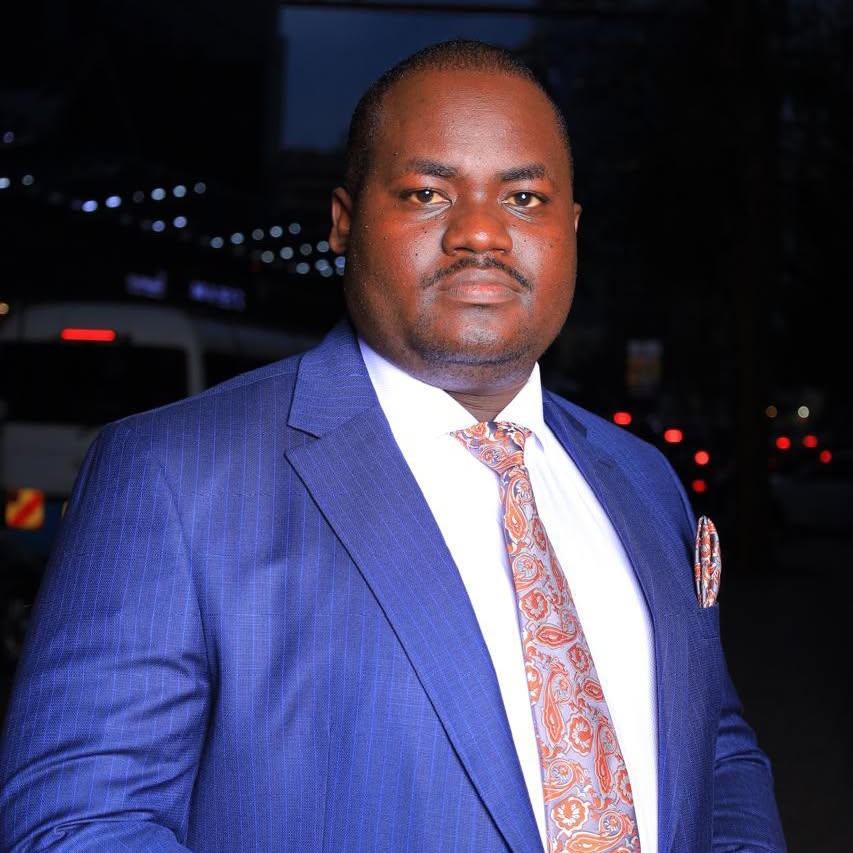
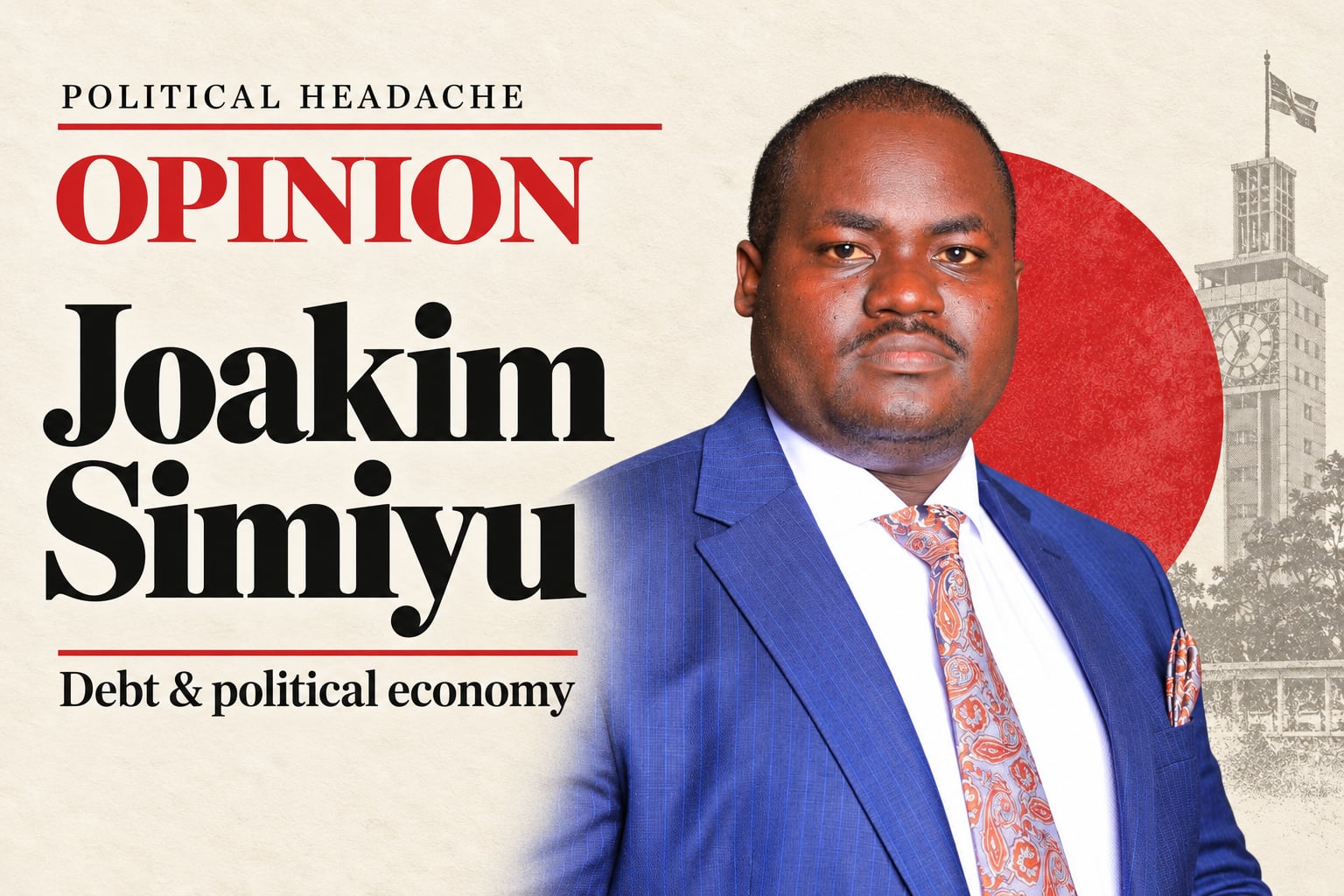
Joakim Simiyu
Joakim Simiyu is Secretary-General of Safina Party. He writes on public borrowing, business credit and political economy.
Read more by Joakim Simiyu →