Kenyans can now buy a stake in Dangote's oil refinery through the Nairobi Securities Exchange, after the Capital Markets Authority approved the arrangement.
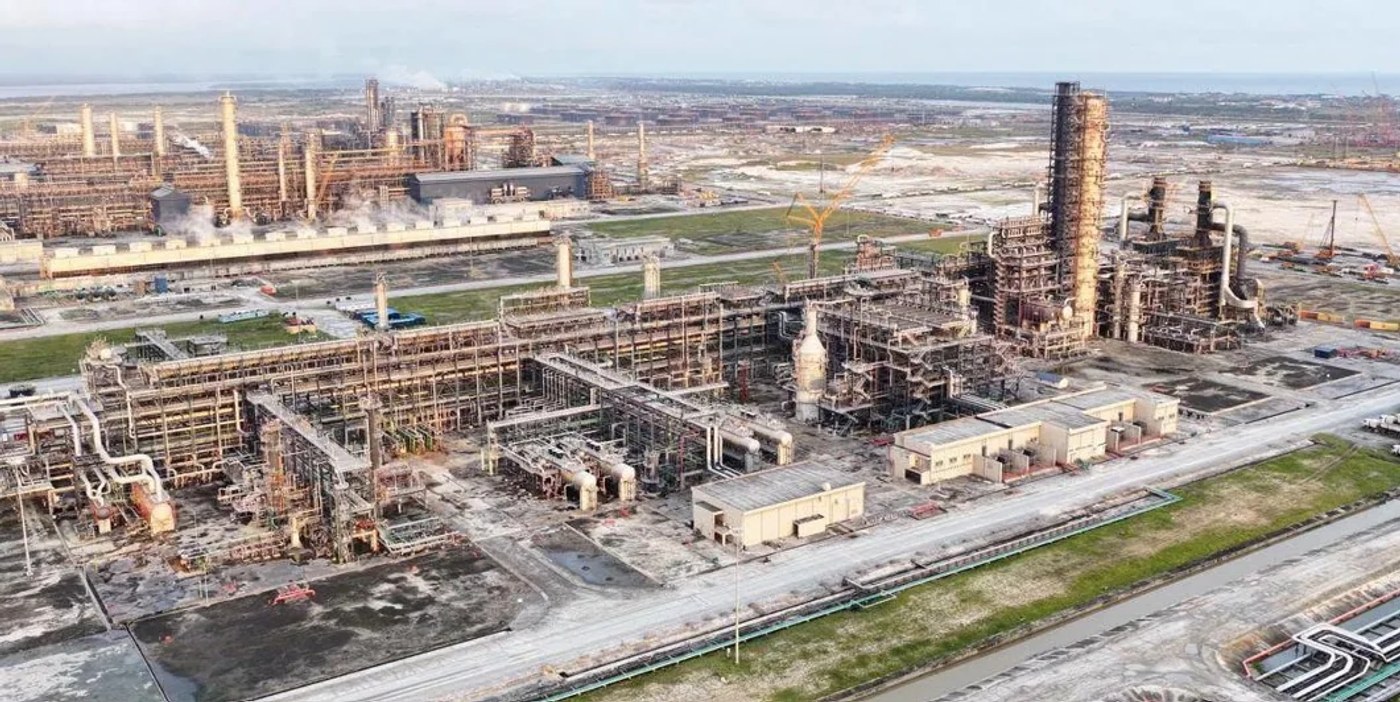
There is one point every potential investor needs to understand first. The offer is for Dangote Petroleum Refinery and Petrochemicals in Nigeria. It is not the Lamu refinery whose groundbreaking took place on 30 September.
The CMA itself made that distinction when it announced the approval.
What is on offer
The Lagos-based refinery is selling about 3 per cent of the company through an initial public offering, aiming to raise roughly US$1.55 billion, or about Sh200 billion. The proceeds are meant to expand the refinery's capacity.
Estimates of the total raise vary slightly, up to about Sh207.5 billion, depending on the final number of shares. The group has sought approval from Nigeria's regulator to increase the shares on offer because of high demand, which could change the final size of the deal.
Kenyans will not buy Nigerian shares directly. They will buy Global Depositary Receipts, each representing one share, issued by Renaissance Capital with Stanbic Bank as custodian.
The price is about Sh49.25 per share, converted from the naira offer price. The minimum is 10 receipts, or roughly Sh492.50, before any fees.
The key dates
The subscription window closes on 13 October. The receipts are expected to list on the NSE on 8 December, subject to approvals from Nigeria's Securities and Exchange Commission.
Earlier proposals for Kenyan participation relied on private placements through local investment banks, with a much higher minimum. The CMA approval of the receipt structure is what opened the door to small retail investors.
Why the Lamu confusion matters
The Lamu refinery is a separate project by a different Dangote company, and it has only just broken ground. Its ownership structure is still a proposal, with Kenya's government offered a stake and regional governments a share. We have looked at the regional politics in our story on Museveni's Lamu message.
President William Ruto has said Kenyans will get a chance to buy shares in the Lamu company transparently. No such offer exists yet. Anyone buying today is buying into Lagos.
Politicians have blurred the line. Kenya Kwanza leaders, defending the Lamu project at rallies in Narok and Limuru last week, pointed to the Sh49 share offer as proof that Kenyans can invest directly.
The same leaders accused retired President Uhuru Kenyatta of sponsoring opposition demands for transparency over the Lamu deal. Uhuru's camp had not responded publicly by the time of writing.
For the Lamu project, the ownership plan set out so far is different. Dangote's group would hold the majority, a 30 per cent stake would be offered to East African governments, and Kenya's proposed share is 10 per cent. A public share sale for Lamu would need its own prospectus and CMA approval.
In other words, Kenyans could end up with three different relationships to Dangote: as investors in Lagos through receipts, as part-owners of Lamu through the government's stake, and possibly as direct investors in Lamu later. Only the first exists today.
The risks for a small investor
Approval by the CMA is not a recommendation. Regulators approve the structure and the disclosure document, not the investment's prospects.
Currency is the first risk. The underlying shares are priced in naira, which has lost significant value against the dollar in recent years. Returns to a Kenyan holder depend on both the refinery's performance and the exchange rates between the naira, dollar and shilling.
Liquidity is the second. Until the receipts list and begin trading, investors cannot easily sell. Even after listing, trading volumes on the NSE for a new instrument may be thin.
The third is information. The refinery's financial disclosures will follow Nigerian rules. Kenyan investors should read the prospectus, including the sections on debt, related-party dealings and dividend policy.
Fees for brokers, the depositary and currency conversion will reduce the effective return, especially on a Sh500 investment.
There is also an oversubscription risk. If demand exceeds the shares available, applicants may receive fewer receipts than they asked for, with the balance refunded. Investors should check how and when refunds would be paid, since money tied up in an oversubscribed offer earns nothing in the meantime.
A test for Kenya's market
The arrangement is significant for the NSE. Cross-border receipts give Kenyans access to large African companies without opening foreign brokerage accounts, and could be used for other listings.
The demand will also be watched as a signal for the eventual Lamu share sale. Strong Kenyan uptake for Lagos could encourage a similar structure for Lamu.
Politicians should be careful here. A politician who urges constituents from a rally to buy shares is giving investment advice without the disclosures a licensed adviser must make. If the offer performs badly, the political cost will fall on those who sold it as patriotism rather than as a market investment with risks.
What to watch
First, the 13 October close, and whether the CMA or the issuer publishes how many Kenyans subscribed and how much they invested.
Second, the listing date and the first trading price on the NSE, which will show whether early buyers gain or lose.
Third, any formal prospectus for shares in the Lamu company. Until one is published and approved, claims that Kenyans already own part of Lamu are wrong.
Photo details
WHAT TO WATCH NEXT
- The CMA has approved Global Depositary Receipts that let Kenyans buy into Dangote's Nigerian refinery via the NSE.
- Price is about Sh49.25 per share; the minimum is 10 receipts, roughly Sh492.50 before fees; the offer closes 13 October 2026.
- The offer is not for the Lamu refinery, which has no public share offer.
- Risks include naira exposure, limited liquidity before listing, and fees on small amounts.