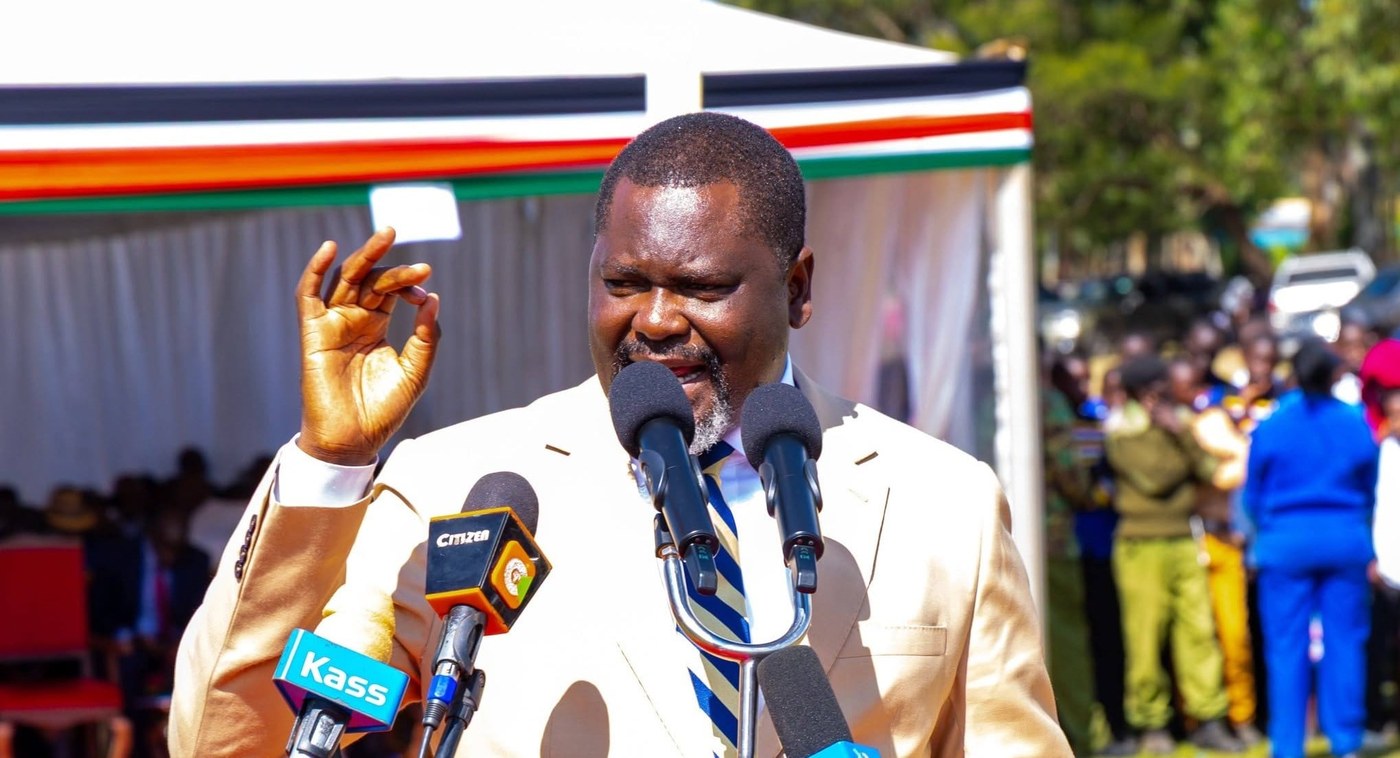
Deputy President Kithure Kindiki has announced that every alcohol manufacturer in Kenya will be vetted afresh, whatever type of alcohol it produces.
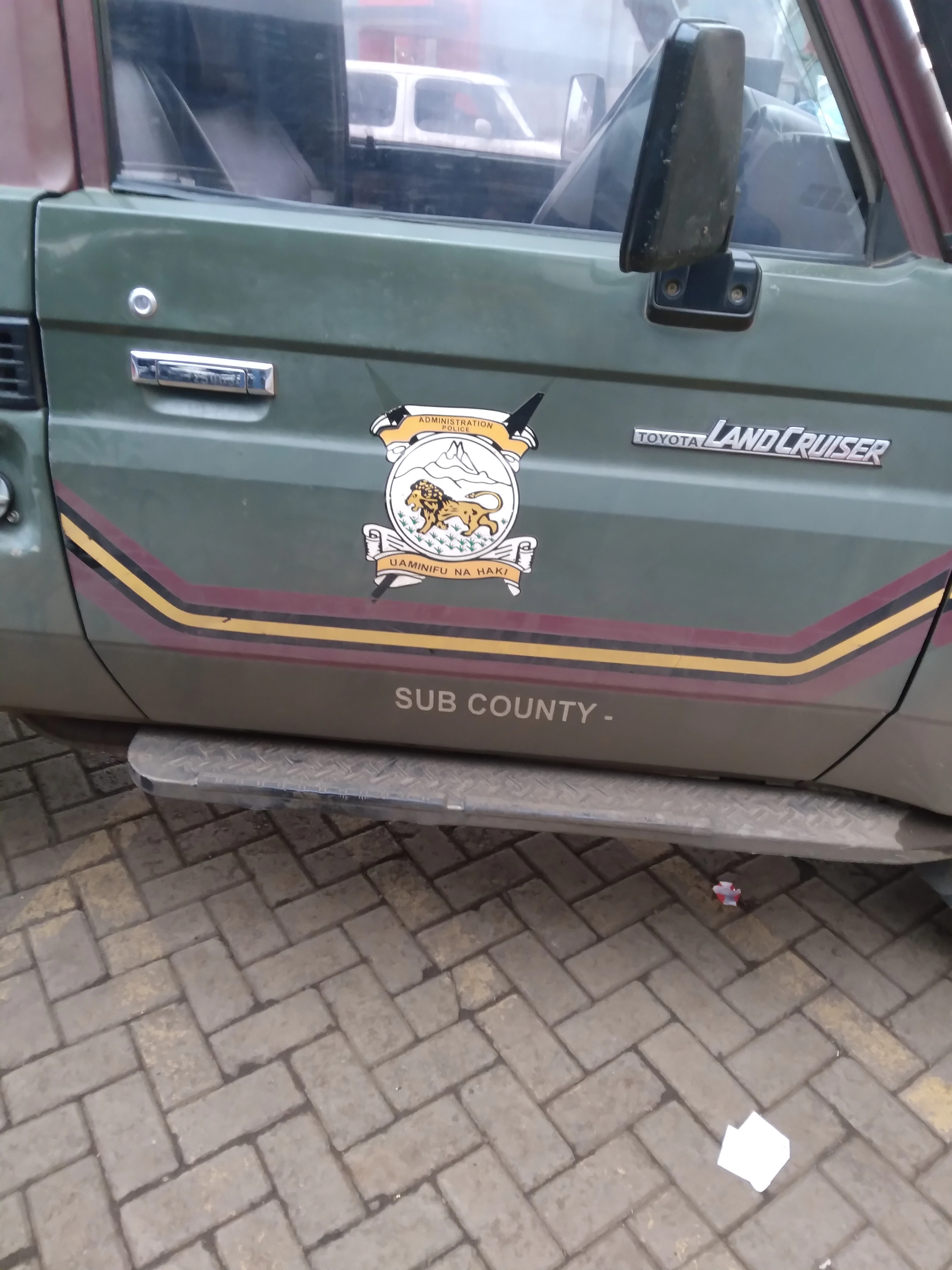
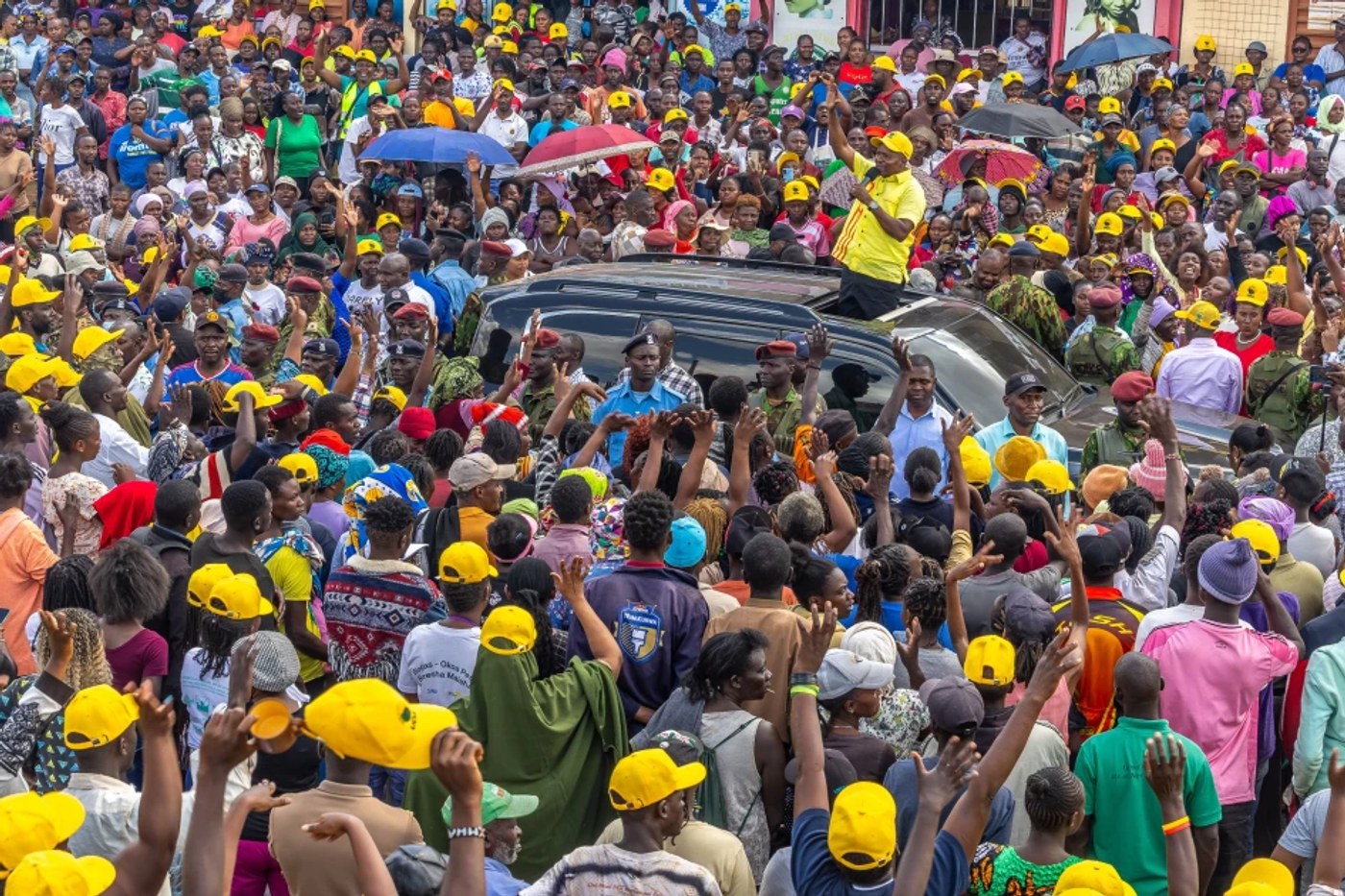
Speaking in Lari and Thika Town constituencies in Kiambu County on 5 October, Kindiki said security agencies, the Kenya Revenue Authority, the Anti-Counterfeit Authority and the Kenya Bureau of Standards had been directed to work with citizens to eliminate alcohol harmful to young people.
He warned sellers of alcohol containing harmful chemicals that their days were numbered, and told politicians not to interfere with enforcement.
The numbers so far
The crackdown is not new. Interior Cabinet Secretary Kipchumba Murkomen said on 24 September that 3,331 people had been arrested and 675,505 litres of illicit alcohol seized since January, following a presidential directive.
Of the seized alcohol, 385,875 litres had been destroyed, he said.
Murkomen said assets used in or acquired through the illicit alcohol and drug trade would be treated as proceeds of crime, frozen and forfeited. He also said any government official found colluding with traffickers would be dismissed and prosecuted.
What the figures do not show
Arrests and seizures measure activity, not results. The ministry has not said how many of the 3,331 people arrested have been charged, how many cases have been concluded, or how many convictions have followed.
Nor has it said how many of those arrested were small sellers and how many were manufacturers or distributors. A crackdown that fills cells with bar workers while large producers continue is unlikely to change supply.
Asset forfeiture is a stronger tool, because it targets profits. But it requires investigations and court processes under proceeds-of-crime law. Published figures on frozen or forfeited assets would show whether that tool is being used.
The official figures are also hard to reconcile. In April, the Interior Ministry said more than 2.8 million litres of illicit alcohol had been seized and over 900 suspects arrested since the crackdown began, with the largest seizures in the Rift Valley, Nyanza and Western regions.
September's figure of 675,505 litres since January is far lower than April's 2.8 million. The two counts may cover different periods, categories or agencies, but the ministry has not explained the difference. Consistent, published data would make it possible to judge whether the crackdown is working.
What re-vetting means
Alcohol manufacturing involves licences from several bodies, including KRA for excise, KEBS for standards and county governments for retail. Re-vetting every manufacturer means checking each licence and product against those requirements.
If done properly, it could close loopholes that allow unregistered or substandard products into the market. It could also be used selectively against some producers and not others, which is why the criteria and results should be public.
The government has not yet published how vetting will be done, how long it will take, or what happens to manufacturers who fail.
Manufacturers that fail vetting are entitled to reasons and to a fair hearing under the Fair Administrative Action Act. A process that skips those steps would invite court challenges, and could stall the very enforcement the Deputy President is promising.
Politics and enforcement
Kindiki's warning to politicians reflects a recurring complaint: that some leaders protect alcohol businesses in their areas, or intervene when outlets are closed.
Murkomen has also linked illicit alcohol dealers to the financing of political violence in Nyeri. If that link is real, it gives the crackdown an election-year significance beyond public health.
At the same time, crackdowns in Mt Kenya are politically sensitive. The region is contested ahead of 2027, and opponents of the government may portray enforcement as targeting their supporters.
The April figures also show that the problem is national, not only a Mt Kenya issue. Central and Coast regions accounted for about 60,000 litres each in the ministry's count, far less than the Rift Valley's 870,000 litres.
The human cost
The public health case is serious. Contaminated alcohol has caused deaths and blindness in Kenya, and alcohol abuse has been blamed for broken families and lost productivity in parts of Central Kenya.
Treatment matters as much as enforcement. People dependent on alcohol need access to rehabilitation, which is limited and often expensive. A crackdown without treatment can push drinkers towards even more dangerous products.
There is also the question of who benefits. When illicit products disappear, licensed brewers and distillers gain market share. Tax collections from legal alcohol can rise. Those are legitimate outcomes, but vetting decisions should be insulated from commercial lobbying so that the process is not used to favour some producers over others.
Counties hold the licensing power for bars and outlets. Their cooperation, and their own data on licences issued and revoked, will be needed for any national vetting to reach the retail level.
Communities have a role too. Kindiki asked citizens to work with agencies, and residents often know where illicit brews are made. Reporting channels that protect informants from retaliation would make that cooperation safer.
What to watch
First, the vetting criteria and timeline, and a public list of manufacturers whose licences are suspended or revoked.
Second, figures on prosecutions and convictions, not just arrests, and on assets frozen under proceeds-of-crime law.
Third, whether any government official is actually dismissed or charged for colluding with the trade, as Murkomen promised.
Photo details
WHAT TO WATCH NEXT
- On 5 October 2026 in Kiambu, Kindiki announced fresh vetting of all alcohol manufacturers and warned politicians against interfering.
- Murkomen said 3,331 people had been arrested and 675,505 litres seized between January and 24 September 2026.
- No figures on prosecutions, convictions or forfeited assets have been published.
- Vetting criteria, timelines and outcomes have not yet been made public.