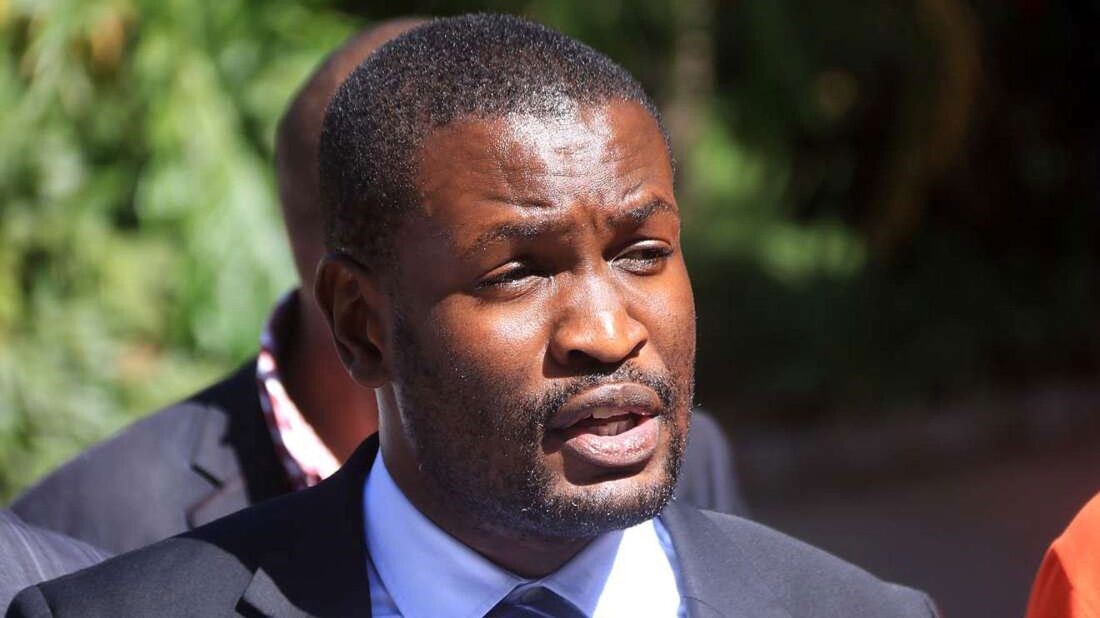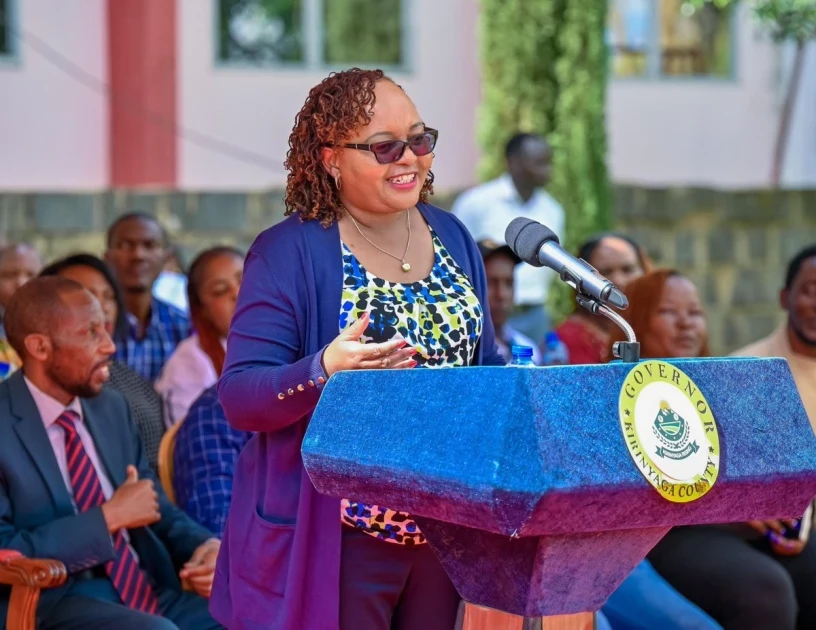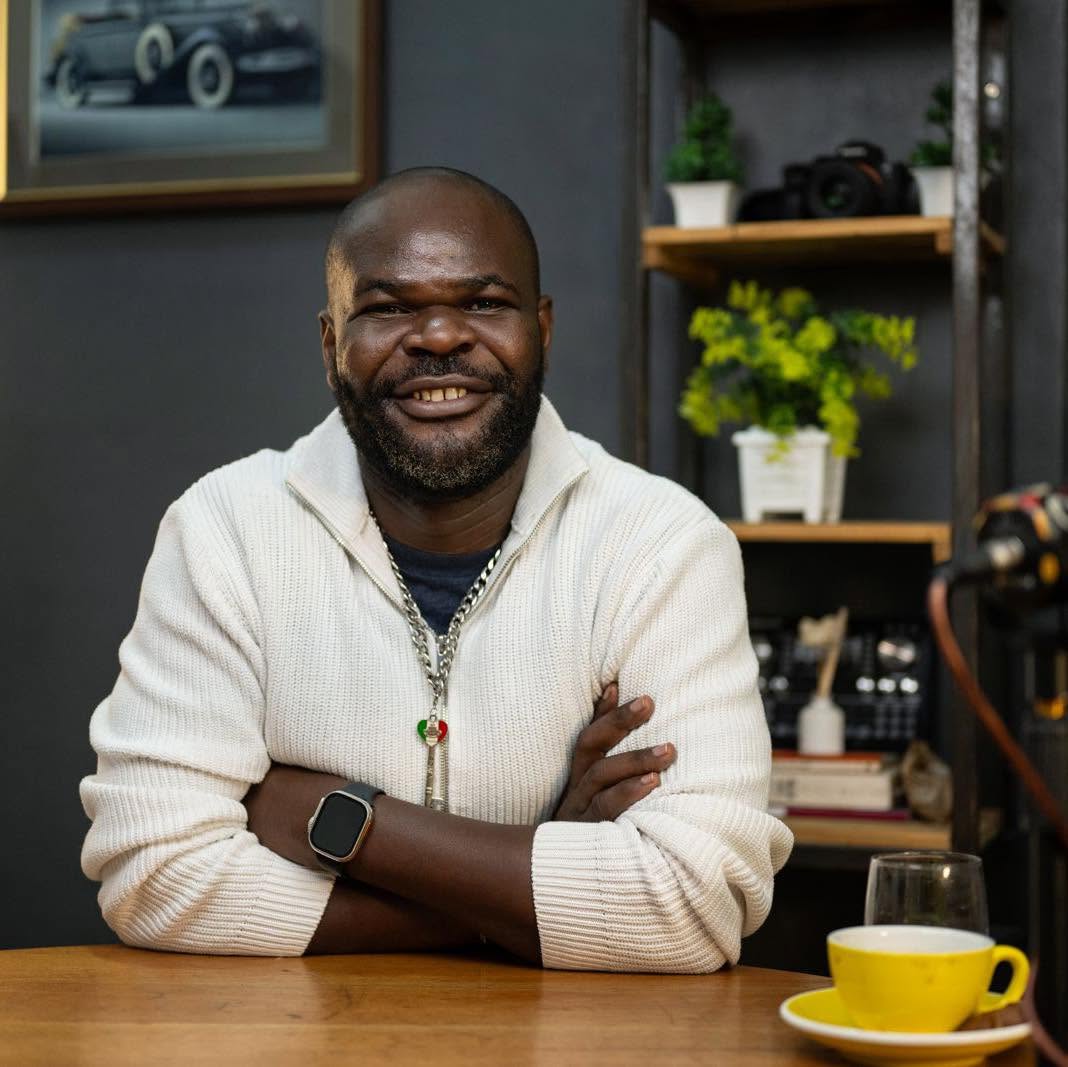
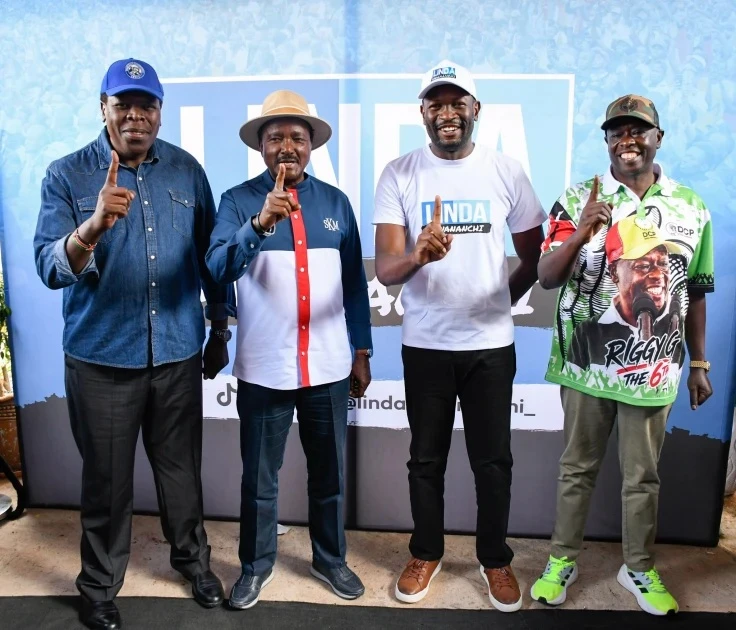
Edwin Sifuna’s most revealing task at the launch of Linda Mwananchi’s headquarters on Friday was not opening the premises. It was asking his own supporters to let Kalonzo Musyoka speak. In that intervention lay the larger problem facing his presidential ambition: attracting other opposition leaders is one achievement; persuading their supporters, and his own, to accept a common political bargain is another.
The October 30 ceremony in Lavington, Nairobi, gave the senator a visible organisational base and an impressive gathering of potential allies. It also exposed the distance between a movement excited about its leader and an opposition that has not settled its presidential ticket. The launch strengthened Sifuna’s claim to a place at the negotiating table. It did not settle who will sit at its head.
Who came—and what their presence means
Former deputy president Rigathi Gachagua, Wiper leader Kalonzo Musyoka, DAP-K leader Eugene Wamalwa and Trans Nzoia Governor George Natembeya attended. Reports from the ceremony also identified Godfrey Osotsi, Richard Onyonka, Tim Wanyonyi, Babu Owino and Faith Odhiambo among those present. This was a substantial political gathering, bringing together leaders with different organisations and ambitions rather than a single, already unified party.
Their attendance matters because it puts Sifuna inside the opposition’s public conversation about power. But a guest at a headquarters opening is not automatically a member, a parliamentary candidate or a supporter of the host’s presidential bid. Confusing those categories would inflate the significance of the ceremony and conceal the negotiations still ahead.
Gachagua offered conditional support: he said he would back Sifuna or Kalonzo if either emerged as the opposition’s candidate, while retaining his own ambition to be selected. Standard’s account of his speech makes the condition important. A willingness to support the eventual nominee is a commitment to a process; it is not an announcement that the nomination has been decided.
The interruption that revealed the problem
Kalonzo challenged Wamalwa’s presentation of Sifuna as a presidential candidate before the movement’s planned November 13 convention. Sections of the audience interrupted him with pro-Sifuna chants. Standard and The Star reported that Sifuna intervened to restore order and allow his guest to finish.
“You must allow proper consultation,” Kalonzo said, according to The Star. His warning went beyond etiquette. Opposition cooperation requires leaders to preserve enough authority among their own supporters to negotiate, compromise and explain the result. A stage on which a potential partner cannot complete his argument is a poor setting for building that trust.
Sifuna’s intervention was therefore politically necessary. He was protecting the relationship as well as the ceremony. Natembeya also criticised the heckling. His suggestion that opponents might have orchestrated it remains an allegation; the evidence reviewed does not establish who organised the interruptions. The observable issue is that the crowd’s demand for certainty collided with leaders’ insistence on consultation.
The machinery behind the presidential bid
Linda Mwananchi also presented proposed officials. Citizen Digital reported Osotsi as chairperson, Caroli Omondi as secretary-general and Onyonka as treasurer. Faith Odhiambo and Patrick Makau were proposed as deputy leaders, while Natembeya was named to lead the presidential campaign, with Odhiambo as deputy. These are proposed organisational arrangements, not evidence that every internal ratification step is complete.
For Sifuna, distributing responsibilities is only the beginning. A national campaign needs constituency organisers, credible candidates, fundraising, nomination procedures and agents who can defend its vote. The real test is whether the names announced can build that system beyond the launch venue.
A report by The Star earlier on Friday questioned whether Sifuna’s political vehicle could assemble enough parliamentary candidates and eventual MPs to support a presidency. That concern should be treated as a test of organisation, not as a prediction of an election result. No votes have been cast in the 2027 election.
The distinction is nevertheless fundamental. Allies can support a joint presidential candidate while retaining their own parties and parliamentary bargaining power. If Sifuna depends on those parties, he would need an agreement capable of surviving disagreements over legislation, spending and appointments. Presidential popularity alone does not answer that question.
The promises now need a budget
Sifuna offered an economic programme as well as a political identity. Reports of his address describe a proposed Sh500 billion reduction in government expenditure, action against waste, and relief from fuel and electricity taxes and the housing levy. These are campaign proposals, not measures already implemented or independently costed savings.
An agenda of spending restraint raises concrete questions. Which allocations would be reduced? Over what period? How would the government preserve services and existing obligations while reducing revenue from taxes and levies? A credible answer would connect each proposed saving to a budget line and each tax change to a financing plan. The launch supplied the direction; detailed costing must supply the proof.
Sifuna’s difficulties are not all on the stage
The movement’s political identity has also travelled through a contested registration process. Earlier reporting by NTV and TV47 described the tribunal’s September decision overturning the refusal to reserve the Linda Mwananchi name. That history explains why acquiring premises and presenting officials carries weight for supporters. It should not be used to imply a new court ruling was issued on Friday.
People Daily reported that Winnie Odinga and James Orengo did not attend the launch, and linked Orengo’s absence to engagements in South Korea. Their absence alone does not establish a rupture. Treating every missing ally as an enemy would reproduce the very impatience that makes coalition-building difficult.
Friday gave Sifuna a platform from which to organise. November 13, the development of county and constituency structures, and negotiations with other presidential hopefuls will show what he can build upon it. His challenge is to turn the confidence of his supporters into an organisation strong enough to compete—and disciplined enough to work with people who have not yet agreed to follow him.
Photo details
WHAT TO WATCH NEXT
- The November 13 convention and confirmed candidate lists.
- Published costings for the spending and tax proposals.