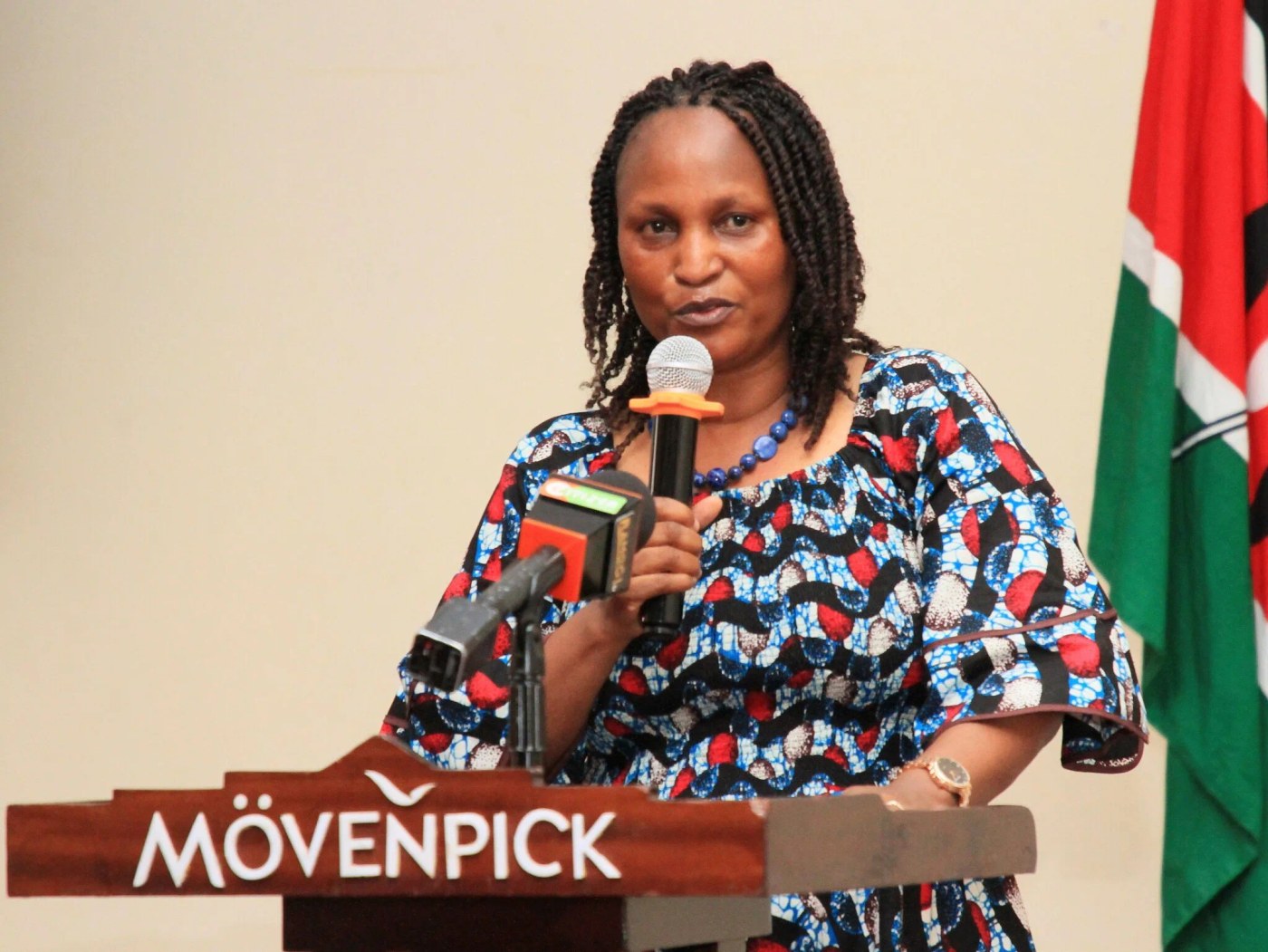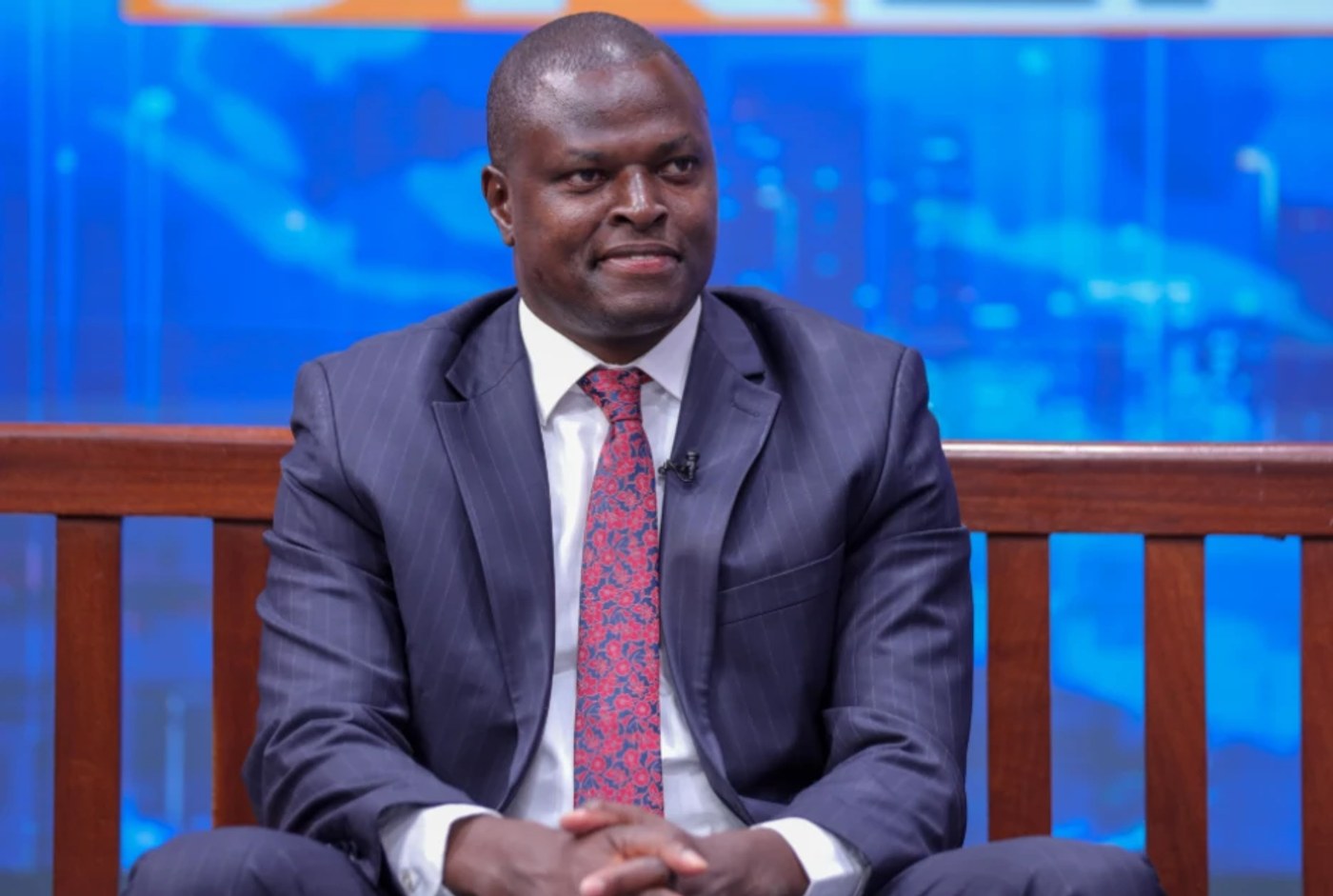
Kiharu MP Ndindi Nyoro has been suspended from the National Assembly for five sitting days after refusing to apologise for claiming that public pension and insurance funds were pressured to buy shares in the Kenya Pipeline Company (KPC) listing. Speaker Moses Wetang'ula ordered the suspension on Wednesday 7 October.
The dispute began a day earlier. On Tuesday Nyoro claimed that officials at the National Social Security Fund (NSSF), the Public Service Superannuation Fund (PSSF) and Kenya Re received calls from “the high office” directing them to invest in the KPC IPO, which he said was nearing failure as subscriptions closed.
None of these allegations has been established. The institutions named have not publicly responded in detail.
What happened in the chamber
Majority Leader Kimani Ichung'wah and Minority Leader Junet Mohamed both demanded that Nyoro substantiate his claims or apologise. “If he has none he should just apologize because I know he was just speaking to the gallery,” Junet said.
Ichung'wah cited a document showing that PSSF had recorded a 5.1 per cent gain on its KPC shares as of 30 June. “There are no high offices in this country,” he said, adding that the apology was owed “not just to the House but also to the professionals watching us.”
Nyoro refused. “What I stated is the truth, and the truth rides higher than the rules. I cannot apologise for the obvious,” he said.
“You are now guilty of grossly disorderly conduct,” Wetang'ula told him. “You are now a stranger in the House.” The Speaker acted under Standing Order 107. Nyoro's request for more time to present evidence was rejected because his remarks had already been expunged from the record.
The Speaker described the five-day suspension as the most lenient punishment available under the House rules.
Nyoro's case
Outside the chamber, Nyoro said he had not been given time to substantiate his claims and restated his position. “It is wrong for political offices to direct investments by pension funds or independent bodies,” he said. “These entities were forced to invest in Kenya Pipeline after the IPO nearly failed.”
He also pointed to the share price. He said KPC shares were trading at about Sh9.02, barely above the Sh9 offer price, which he argued was a poor return against inflation of about six per cent. The IPO offered 11.812 billion shares at Sh9 each and ran from 19 January to 24 February 2026.
“Do the right thing and don't follow political phone calls,” Nyoro said, in remarks aimed at fund managers.
Two numbers, two different questions
The figures offered by each side do not answer the same question. Ichung'wah's 5.1 per cent gain for PSSF, as of 30 June, speaks to how the investment has performed. Nyoro's Sh9.02 price speaks to where the shares stood when he spoke. Neither settles whether anyone was told to buy.
That is the core allegation, and it is a serious one. Pension funds hold the retirement savings of workers. Their boards are supposed to make independent decisions in members' interests. If politicians directed those decisions to rescue a government share sale, it would be a governance failure regardless of whether the shares later rose.
Equally, an accusation made in Parliament about unnamed callers from an unnamed “high office” is hard to test. Parliamentary privilege protects what MPs say in the House, but the Standing Orders also require members to substantiate claims when challenged. Nyoro chose suspension over withdrawal.
The politics
Nyoro, leader of the People's Party of Kenya and a former chair of the Budget and Appropriations Committee, has become one of the most visible critics of the Ruto administration from within Mt Kenya. On 1 October he demanded publication of the shareholders behind the Dangote refinery project in Lamu. A suspension for refusing to back down is unlikely to damage him with his supporters, and may help.
For the government side, the risk is different. Ichung'wah and Junet, the leaders of the two sides of the House, spoke with one voice against Nyoro. That shows the strength of the broad-based arrangement in the chamber. It also leaves Nyoro free to present the episode as the establishment closing ranks.
What should happen next
There are better ways to resolve this than a shouting match. The Public Investments Committee, or the relevant departmental committee, could ask NSSF, PSSF and Kenya Re to explain how their KPC investment decisions were made, who approved them, and on what investment advice. Board minutes would show whether the decisions followed normal procedure.
The Capital Markets Authority could publish the final allocation of the IPO by investor category, so the public can see how much of the offer was taken up by state-linked institutions.
Nyoro, for his part, can table whatever evidence he has, or hand it to the relevant regulator. If he has records of the calls he described, they matter more than the suspension.
What to watch
Watch for Nyoro's return to the House after five sitting days and whether he brings documents. Watch whether NSSF, PSSF or Kenya Re issue statements on how their KPC purchases were approved. And watch the KPC share price, which has become a political as well as a market number.
Photo details
WHAT TO WATCH NEXT
- Ndindi Nyoro was suspended for five sitting days on 7 October after refusing to apologise for his KPC IPO claims.
- He alleged that NSSF, PSSF and Kenya Re were pressured by a 'high office' to buy KPC shares; the claim is unproven.
- Kimani Ichung'wah cited a 5.1 per cent PSSF gain on KPC shares as of 30 June; Nyoro says the price is barely above the Sh9 offer.
- Committees, fund boards and the CMA could settle the question with documents rather than speeches.