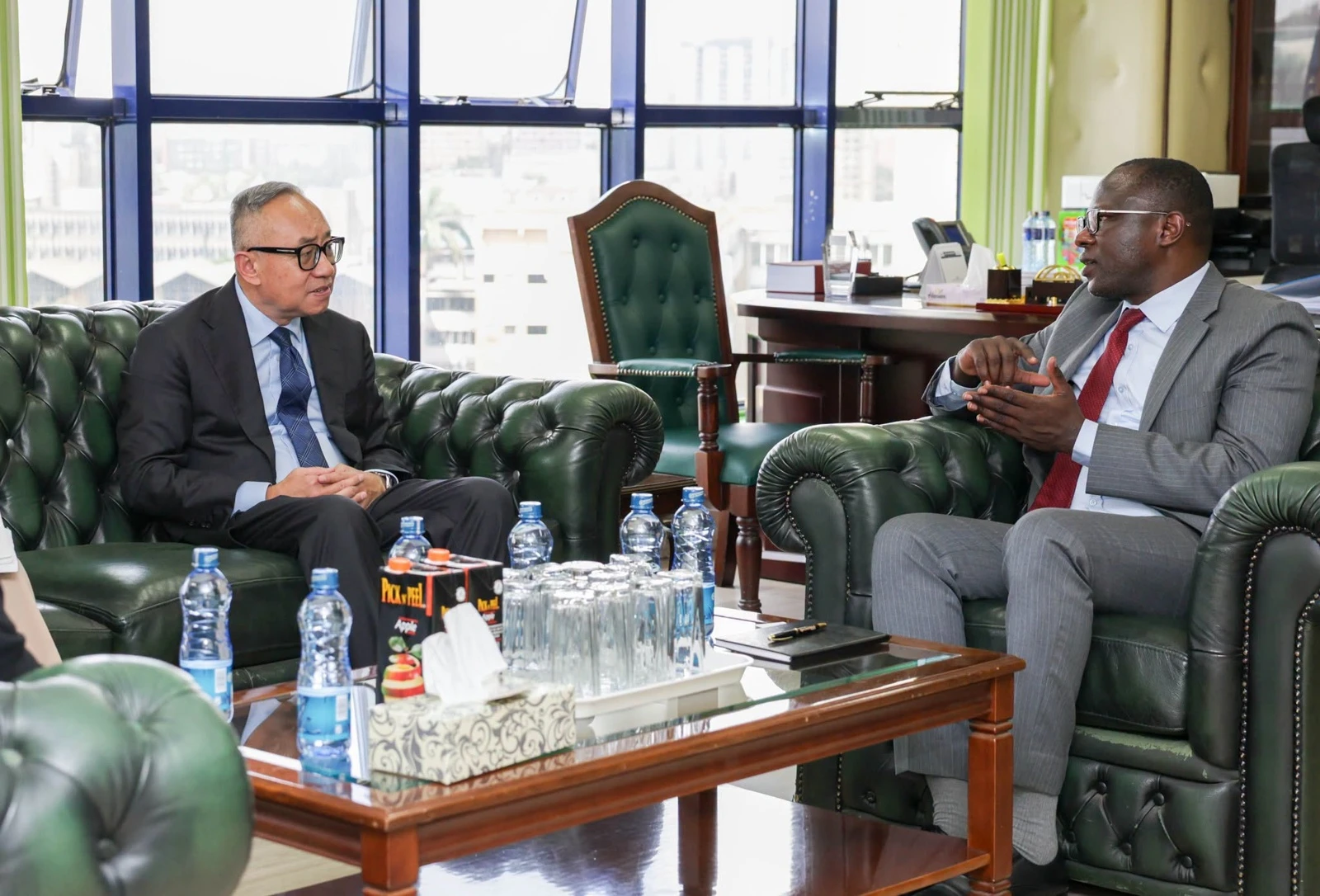
Rigathi Gachagua, Kalonzo Musyoka and Edwin Sifuna walked out of a meeting with the Independent Electoral and Boundaries Commission (IEBC) in Nairobi on Thursday, 19 November. The opposition leaders said the agenda left out changes they wanted the commission to address before the August 2027 general election.
Gachagua said the opposition and the commission had agreed at a meeting on 28 January to set up technical teams to discuss election preparations. He said the opposition wrote to the IEBC in February and May to follow up and received no reply. He proposed that a team led by Maraga meet the commission to agree on an agenda before party leaders reconvene.
What the opposition wants changed
An independent audit of the voter register. The opposition wants the IEBC to identify duplicate entries and remove the names of people who have died or are otherwise ineligible to vote. It also wants eligible Kenyans to be able to register and voters to have time to check their details.
Limits on national presidential tallying. The leaders want the figures declared by constituency returning officers to form the basis of the national result. They propose limiting the national role to receiving, adding up and announcing those figures.
Livestreamed results from polling stations. The opposition wants the public to be able to watch as results are declared at polling stations.
An electronic voting pilot for Kenyans abroad. The leaders want the commission to test a secure way for diaspora voters to cast their ballots electronically.
Greater scrutiny of election procurement. The opposition wants more transparency about how the IEBC buys election technology and materials. It also called for monthly meetings to review the commission’s progress.
How the IEBC responded
IEBC chairperson Erastus Ethekon called the walkout unfortunate. He said the meeting gave political parties a chance to hear directly from the commission about its preparations. He also warned that court cases involving procurement and recruitment could put election deadlines under pressure.
Embu Governor and UDA chairperson Cecily Mbarire questioned the proposal for a separate technical team. She urged the opposition to present its concerns at a forum where all political parties could hear and discuss them.
The immediate question is whether the IEBC will meet Maraga’s team and whether the parties can agree on an agenda that addresses the disputed proposals.
Photo details
WHAT TO WATCH NEXT
- Whether the IEBC agrees to meet the team led by David Maraga.
- Whether the commission and party leaders publish an agreed agenda for follow-up talks.