Uhuru Kenyatta’s appeal for opposition unity drew a same-day rebuttal from President William Ruto on Wednesday, turning a call to settle competing presidential ambitions into a dispute over who understands voters ahead of 2027.
The former President told leaders gathered at PCEA Nairobi West Church that Kenyans wanted them to work together. Ruto, speaking in Kisii, rejected Kenyatta’s assessment of public sentiment and urged him to listen to people working in farming, education, health and government housing projects.
The exchange presents two different tests. Opposition leaders still have to turn calls for unity into an agreed political arrangement. The government must persuade voters that its programmes justify another term. Neither task is completed by a claim that the public has already decided.
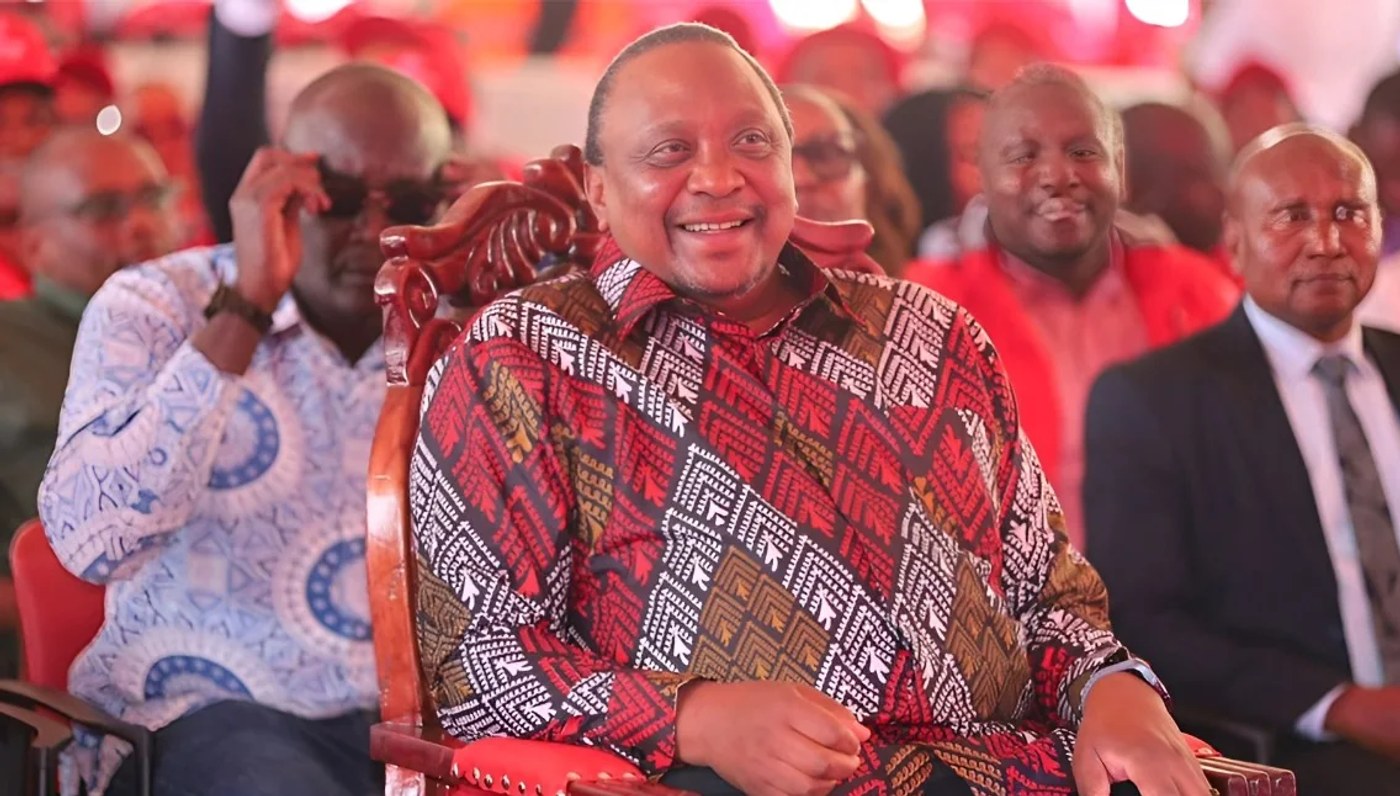
Kenyatta was attending the memorial service for his cousin Beatrice Wambui Muturi on November 11. Rigathi Gachagua, Kalonzo Musyoka and Eugene Wamalwa were among the political leaders present, according to reporting by The Standard and Citizen Digital.
“Unajua kiti inaweza kaliwa na mtu mmoja kwa wakati mmoja,” Kenyatta said, as reported by The Standard: only one person can occupy a seat at a time. His point was directed at leaders whose presidential ambitions must be reconciled if they intend to field one challenger.
He did not announce a joint candidate. The distinction matters: an appeal to cooperate is neither a nomination nor a completed coalition agreement. The speeches reported from the service did not establish who would lead such a ticket or how the participating parties would choose that person.
Kenyatta’s intervention followed a November 8 meeting involving Gachagua, Musyoka and Fred Matiang’i over opposition differences, The Standard reported. Wednesday’s gathering brought several of the same political interests into one room, but their presence alone did not resolve the negotiations.
Ruto’s answer focused on the basis of Kenyatta’s claim to know the public mood. “Get information from sober Kenyans,” he said, in remarks reported by Capital FM and Nairobi Leo. The President was responding to Kenyatta’s anecdote about hearing political views during informal visits, including his reference to looking for uji.
Ruto argued that people involved in economic activity and public programmes would give a more favourable account of the country’s direction. That was his political argument, rather than the finding of a representative survey. Kenyatta’s account of conversations with citizens likewise did not provide a polling sample or a measured national voting intention.
The disagreement therefore should not be read as evidence that either camp has already won the electorate. It shows the messages each is trying to advance: Kenyatta wants opposition leaders to organise around what he describes as public demand for change; Ruto wants the administration judged through its development agenda.
There is also a constitutional threshold beyond assembling prominent supporters. Article 138 requires a successful presidential candidate to obtain more than half the votes cast and at least a quarter of the votes in more than half the counties. A joint ticket would still have to win that national and geographical support.
The next consequential opposition announcement would be an agreed selection process or candidate, rather than another shared platform. For the government, project-specific evidence and results will offer a more testable account than competing anecdotes about the public mood.
Photo details
WHAT TO WATCH NEXT
- An agreed opposition candidate-selection process; documented government project outcomes.
- Distinguish verified decisions from political claims and pending outcomes.