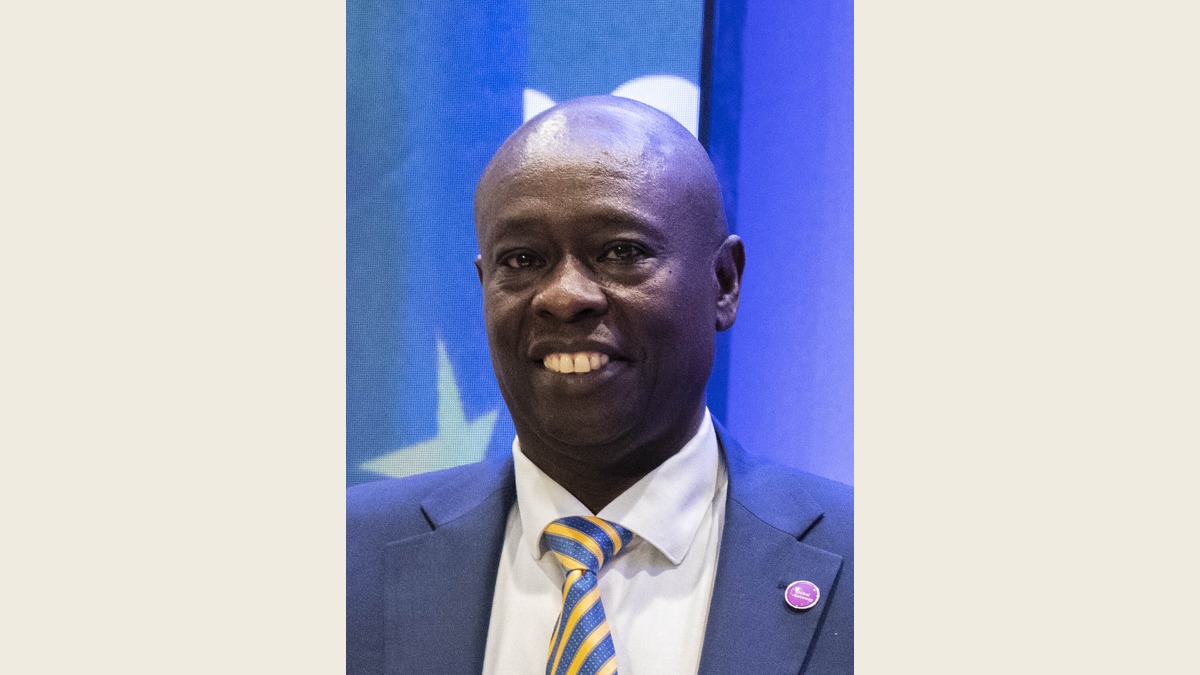
The Teachers Service Commission has rejected former deputy president Rigathi Gachagua’s allegation that ethnicity determined its choice of Cheptumo Ayabei as secretary and chief executive. Commission chair Jamleck Muturi said Ayabei was selected through a competitive process and his appointment took effect on 16 November 2026. The commission gave a timetable and applicant figures to support its response.
Muturi said recruitment began in May 2025 for a vacancy that took effect on 1 July that year. Litigation interrupted the process. According to the version of events set out by the commission and reported by Citizen Digital and The Star, a court order on 7 September 2026 directed TSC to resume recruitment. Interviews restarted on 28 September. The chronology places more than a year between the opening of recruitment and the appointment.
The commission said 124 people applied. It said five candidates were shortlisted and interviewed and that Ayabei was the successful candidate. Muturi’s account identifies the size of the field and the points at which the commission says it filtered candidates. The published accounts of his response did not set out the five candidates’ scores or show how each stage of assessment was weighted.
Gachagua’s accusation and the commission’s response make different claims about the selection. The former deputy president alleged tribalism. The commission says it conducted an open competition and appointed the candidate it judged strongest. The number of applications and interviews is evidence about the scale of the process. The allegation cannot be established by those counts alone, and the cited coverage does not report a judicial finding that the appointment was unlawful.
The appointment concerns a post that leads the administration of a constitutional commission. Article 237 of the Constitution gives TSC responsibilities including registering trained teachers, employing and assigning teachers in public institutions, disciplining teachers and reviewing standards for entry into the profession. Those are functions of the commission. The secretary and chief executive has an operational role in carrying out its decisions and managing the secretariat.
The Teachers Service Commission Act sets out the framework for appointing the secretary and the duties attached to the office. The process is relevant both to applicants and to a service that makes decisions affecting schools across the country. Changes in administration can matter for work already under way on recruitment, deployment, promotions and discipline, although the appointment statement did not specify changes to those programmes.
The litigation and the fairness allegation also need to be considered separately. The court order cited by TSC concerned resuming recruitment, according to Muturi’s account. That does not establish an independent ruling on the way the resumed interviews were scored or on the comparative merits of the candidates. Anyone assessing the legality of the final selection would need to examine the precise court orders and the recruitment record from after the process resumed.
Useful records would include the published job requirements, the shortlist and selection criteria, and any assessment record the commission can lawfully disclose. A transparent account can explain which requirements were decisive while protecting applicants’ personal information. The timing of recruitment and the changes made after the court order are also relevant: readers can distinguish decisions made before litigation from decisions taken under the resumed process.
For now, the documented position is that Ayabei has been appointed and the commission has publicly defended the procedure. The next developments to watch are any fuller disclosures by TSC and any formal challenge to the completed appointment. If either emerges, the public record would make it possible to test specific claims about the process against documents, rather than treating political accusation or institutional assurance as a substitute for the recruitment record itself.
Photo details
WHAT TO WATCH NEXT
- Whether TSC publishes further recruitment records or an official response to the disputed claims.
- Whether any court challenge to the appointment is filed or heard.