
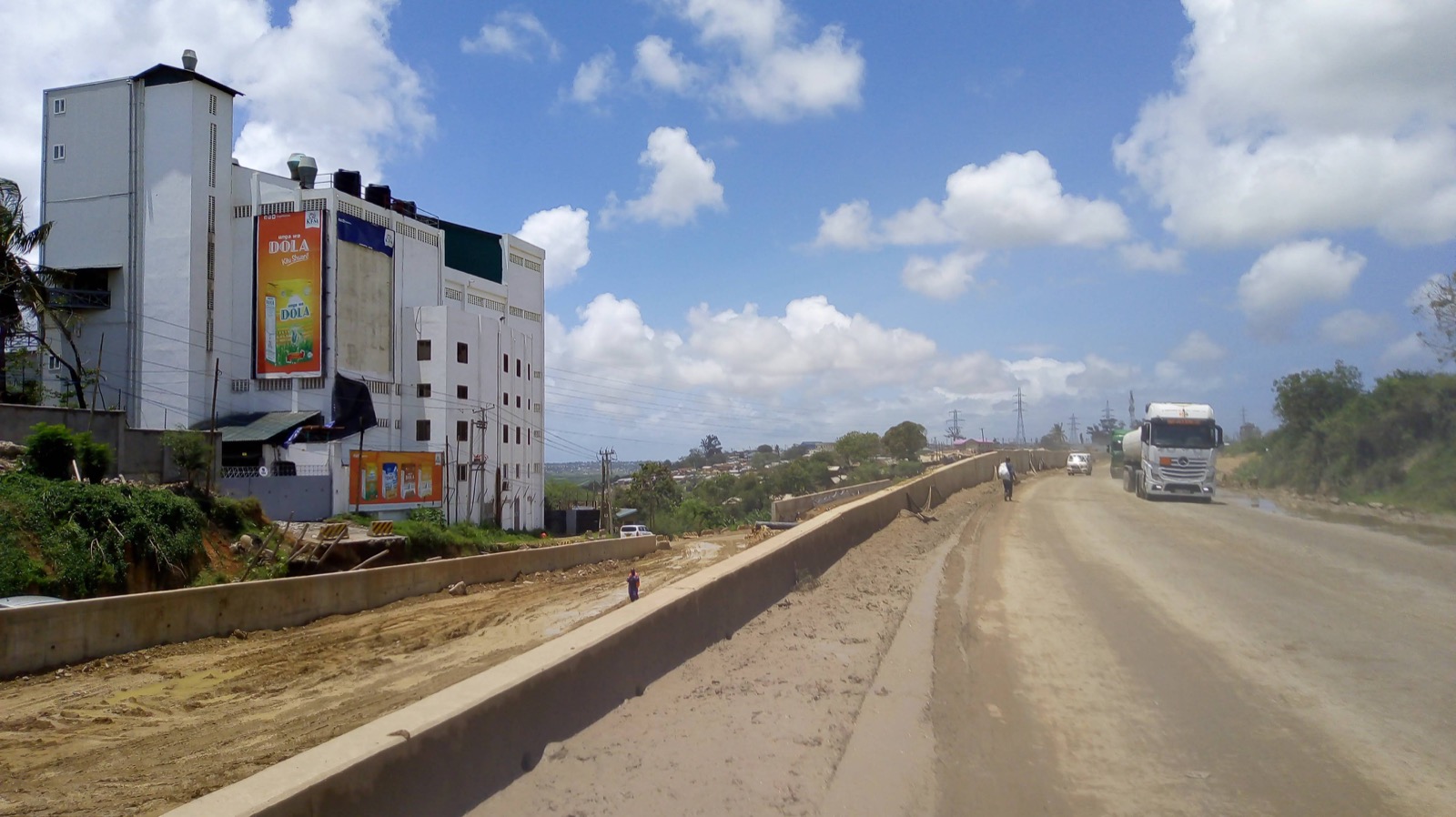
Kenya’s State Departments for Roads and for Housing and Urban Development accounted for 39.3 per cent of national government development spending between July and September 2026, according to the National Treasury’s first-quarter budget review. The two departments spent a combined Sh83.5 billion out of Sh212.6 billion in development expenditure across the ministries, departments and agencies covered by that table.
Roads was the largest development spender, accounting for 20.7 per cent of the total, or about Sh43.96 billion. Housing and Urban Development accounted for 18.6 per cent, or about Sh39.54 billion. The next two departments in the Treasury’s ranking were Economic Planning, at 7.3 per cent, and Crop Development, at 6.3 per cent. Together, roads and housing spent more than five times as much as either of those two departments individually.
The review puts the Sh212.6 billion in development expenditure against a first-quarter target of Sh211.1 billion. That is approximately Sh1.5 billion above target, equivalent to 100.7 per cent of the projection. Recurrent expenditure, meanwhile, reached Sh506.9 billion against a target of Sh519.6 billion. Together the two categories amounted to Sh719.5 billion against a target of Sh730.7 billion. Those totals cover the spending reported for national government ministries and agencies in the relevant table.
The distinction between the two spending categories matters. A department can have a large recurrent budget for salaries or ongoing services while accounting for a smaller fraction of development outlays. In the same review, the Treasury identified basic and higher education, the Teachers Service Commission, vocational training and two health departments as together accounting for 47.1 per cent of recurrent expenditure. Comparing the roads and housing development share directly with that figure would mix two different totals.
The first-quarter figures also show a higher concentration in the two departments than their combined share of the planned full-year national development budget. Daily Nation, comparing the Treasury’s tables with annual allocations, calculated their planned share at about 35.5 per cent. The newspaper put combined spending by the departments in the same quarter of the previous financial year at about Sh40 billion. On that comparison, the Sh83.5 billion spent this year was more than double the year-earlier amount.
Timing can change a department’s share from quarter to quarter. A payment against a certificate on an older contract can appear in the same expenditure totals as a payment on a newer project, and construction work progresses at different rates. The first-quarter figures can establish the concentration of payments over those three months. Assessing whether that concentration persists requires at least the next quarterly outturn and ultimately the full-year accounts.
The figures are also departmental aggregates. They cannot show readers how much of the roads total went to a particular highway or how many homes were completed with the housing expenditure. A project-level assessment would need the original contract sums, variation orders where applicable, payment certificates and output measures such as kilometres completed or units handed over. For affordable housing, units advertised, units under construction and units ready for occupation are separate measures.
That distinction is especially important with large contracts that run across several financial years. A project may be funded partly outside the department’s direct budget, or an obligation may appear in one period and be paid in another. The quarterly review provides a starting point for scrutiny. It leaves open the question of how much of the spending can be linked to completed work and whether payment timing reflects delivery or the settlement of earlier commitments.
The next Treasury review can show whether roads and housing retain their share as other departments draw down their budgets. Project implementation reports would address a separate question that matters to users of the services: which roads were opened and which housing units became available during or after the quarter.
Photo details
WHAT TO WATCH NEXT
- Whether the next quarterly review shows a change in the share spent on roads and housing.
- What the relevant agencies report about the progress of projects funded during the quarter.