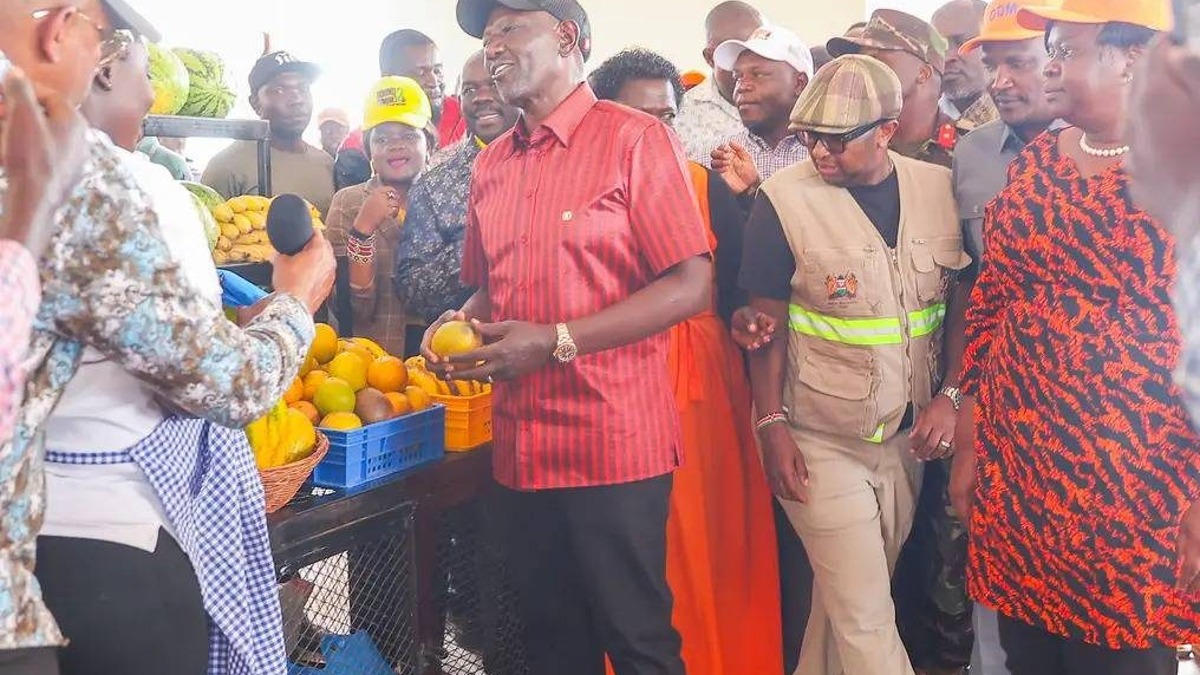
ODM leaders’ demand for the running-mate position on President William Ruto’s 2027 ticket has brought the central question in their proposed electoral partnership into focus: how support for a common presidential bid would translate into influence and representation.
Citizen Digital reported on October 9 that ODM chairperson Gladys Wanga, speaking during a party delegation’s visit to Kakamega, insisted that the deputy’s position should go to ODM if Ruto remains the presidential candidate. Other leaders defended continued cooperation with the government. The report establishes their demands and political position; it does not establish that Ruto or UDA has accepted the proposed allocation.
Ruto is also attending to his existing electoral base. In its October 13 report, Daily Nation said he had campaigned in the North Rift on Monday and challenged supporters to deliver an additional one million votes in 2027. That was a political mobilisation target, not a verified increase in registered voters or a forecast of the election result.
Taken together, the two developments illustrate the different tasks within a re-election project: retaining support while seeking a wider alliance. They also expose a question for any partner bringing its organisation into a presidential campaign. Cooperation needs terms that its leaders can explain to their own members.
The running-mate demand is one visible expression of that question. A place on the ticket would carry a different significance from an endorsement without an agreed role. Yet the division of one national office cannot, by itself, explain how parties would manage competition elsewhere or reconcile their policy priorities.
Local contests are part of that difficulty. Parties that cooperate in a presidential election may still have rival aspirants for governor, Parliament and county assemblies. An agreement at the top therefore does not automatically remove competition below it. The relevant test is the arrangement the parties actually announce, rather than an assumption that all their candidates and supporters will move together.
There is a further public-interest test: whether negotiations explain what the partnership intends to do in government. Voters need enough detail to distinguish a programme for the next term from bargaining over positions. Endorsements can show where leaders stand, but they cannot substitute for that programme or prove that voters share the same preference.
The emerging contest is consequently about both numbers and terms. ODM leaders have stated a price for cooperation, while Ruto is seeking more support in his base. Whether these efforts become a settled electoral bargain depends on decisions that must still be demonstrated publicly.
Photo details
WHAT TO WATCH NEXT
- Follow formal decisions and implementation against the commitments described.
- Distinguish proposals and attributed claims from completed actions.