
The Kenya Primary School Education Assessment moves through its final two scheduled days this week, with Integrated Science and language papers on Tuesday, 27 October, followed by Creative Arts and Social Studies on Wednesday, 28 October. The official timetable distinguishes standard, large-print and Braille sessions, making the specific paper format important when reading an ending time.
The 2026 KNEC timetable places Integrated Science at 8.30am on Tuesday. Standard and large-print papers run until 10.10am, while the Braille session ends at 10.40am. Kiswahili and Kenyan Sign Language begin at 11.10am. Standard Kiswahili, large-print Kiswahili and Kenyan Sign Language end at 12.10pm; Braille Kiswahili ends at 12.30pm.
On Wednesday, Creative Arts and Social Studies begins at 8.30am. Standard and large-print sessions end at 10.10am, with the Braille session continuing until 10.40am. All times are East Africa Time. The calendar describes planned sessions and should not be read as an attendance report or confirmation that every centre has completed a paper.
The assessment record begins before this week
KPSEA is one part of a longer assessment process. KNEC's management and administration guide explains that primary learners receive an assessment number through registration at Grade 3. The number links their identifying details and school-based assessment records through basic education.
The guide describes a further registration step on entry to junior school, using details from the learner's KPSEA report. That connection explains why correct identifying information is more than an examination-room formality: the assessment record is intended to follow the learner into the next stage of schooling.
A timetable, a registration record and a performance report serve different purposes. The timetable establishes when a paper is scheduled. The registration record identifies the learner entered for it. The performance report records the assessed outcome. Having the first document does not supply the information contained in the other two, and this week's schedule does not announce results.
Reading the different paper formats
The timing differences in the timetable are specific to the papers named. A longer Braille session is an expressly scheduled allocation, not extra time added at an invigilator's discretion. Likewise, the presence of a Kenyan Sign Language paper identifies a particular assessment option rather than an additional paper that every learner takes.
For families arranging collection, the relevant ending time is therefore the one attached to the learner's actual paper. Quoting only the earliest finishing time can give an incomplete picture of the assessment day. The school remains the source for arrangements concerning its own learners and the conduct of the session at that centre.
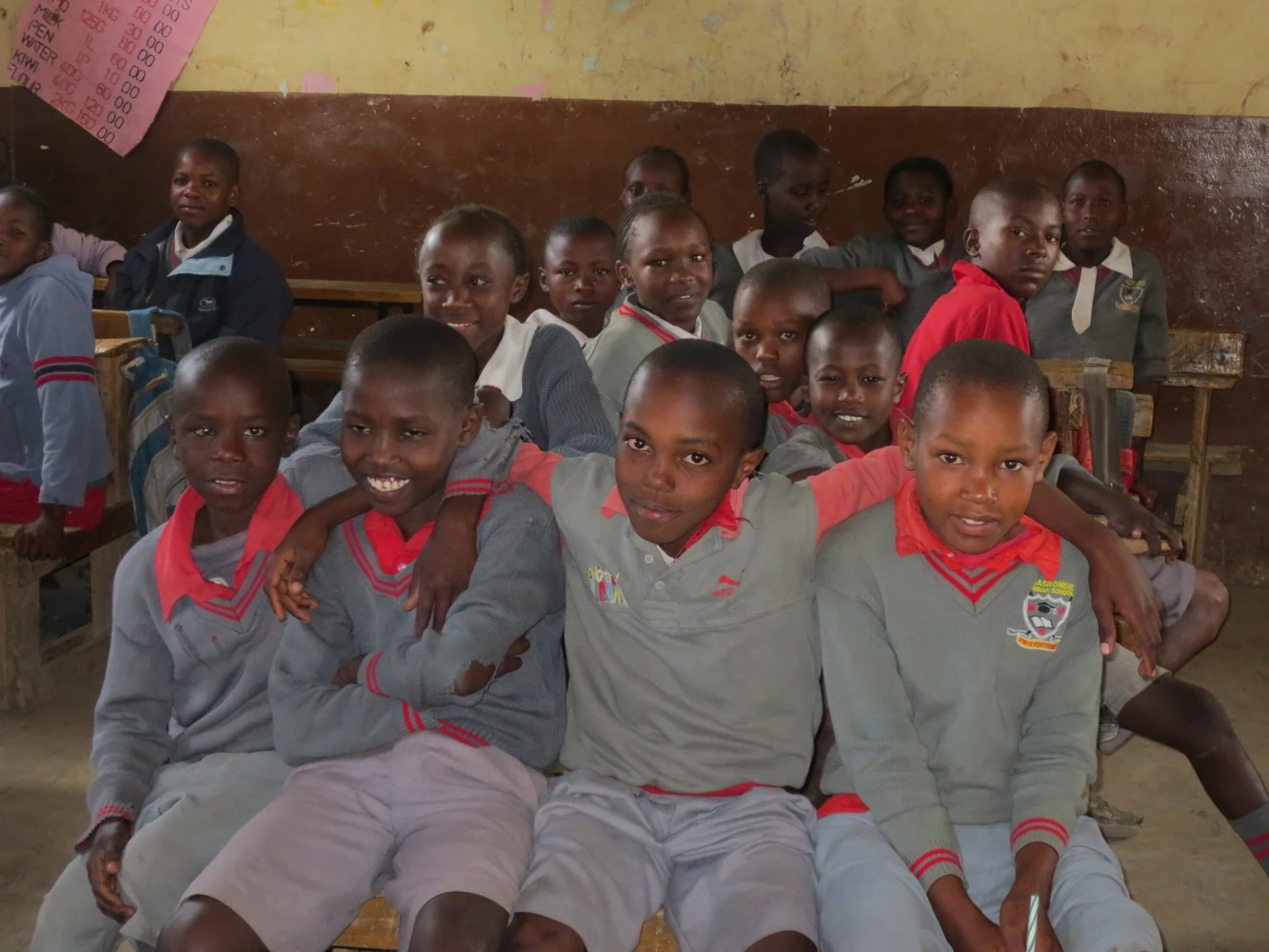
The distinction is also relevant to public reporting. An image of children outside one school does not demonstrate that every session nationally has ended. Different formats have different durations, and a report of proceedings at one centre establishes only what was observed there. This article reports the council's published schedule, not observations from assessment rooms.
The role of schools and assessment staff
The administration guide gives the head of an institution the role of centre manager during summative assessments. It also describes responsibilities for supervisors and invigilators, including checking that learners receive the correct materials and that the assessment room is properly prepared. Those responsibilities are part of the framework for running the papers consistently.
The division of roles matters because an individual learner's concern has to reach the official responsible for the session. A problem with identifying details, a printed page or the material supplied is different from a question about the national calendar. The appropriate response depends on the problem and the council's procedures, rather than a generic message circulating online.
The Ministry of Education's junior-secondary implementation guidelines provide the wider transition context. They describe assessment as part of the competency-based education pathway and set out the relationship between primary completion and entry into junior secondary education. The document is background guidance, not a new announcement of placement results for this year's candidates.
That distinction helps separate this week's immediate task from later administrative decisions. Sitting the scheduled papers is one stage. Processing assessment information, issuing reports and completing the next registration steps are subsequent stages with their own records and instructions. None should be treated as complete merely because the final paper is approaching.
What comes next
KNEC's official timetable page remains the reference point for published examination and assessment calendars. Readers checking a shared copy should confirm that it names KPSEA, the correct year and the appropriate paper format. Calendars for different assessments cannot be substituted for one another simply because they fall in the same examination season.
The separate timings also mean that the end of a paper is not identical for every format. A report describing a single finishing time for all candidates would miss that distinction. The timetable's provisions for standard, large-print and Braille papers should therefore be retained when schools and families check the day's arrangements.
The final scheduled KPSEA paper is on 28 October. After that, any announcement concerning outcomes or subsequent steps will need to be checked against a dated council or ministry notice. For now, the confirmed information is the sequence of papers and their allocated times. Claims about national attendance, irregularities or results require separate evidence beyond the timetable itself.
Photo details
WHAT TO WATCH NEXT
- The final scheduled Creative Arts and Social Studies paper on 28 October.
- Official KNEC announcements on the assessment process.