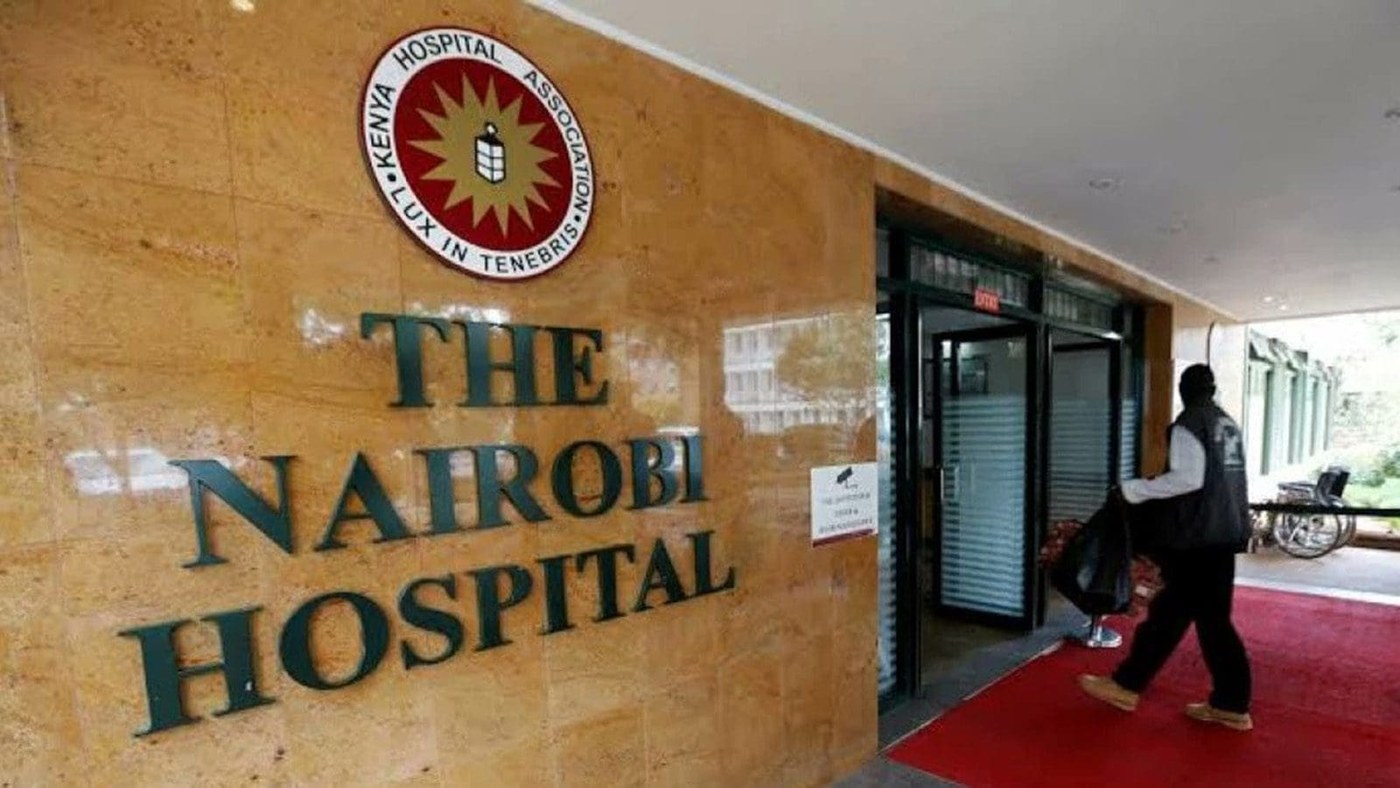
Kenya released 20 people from Ebola quarantine on 26 October after they completed 21 days of monitoring without developing symptoms, marking a new stage in the response to the country's first imported Bundibugyo virus case. The release concerns contacts monitored for possible infection, not patients discharged after treatment for confirmed disease.
In its 26 October update, the World Health Organization said the group had undergone final health assessments and counselling before returning to their families. Ninety-eight contacts remained in quarantine. Kenya had recorded nine confirmed cases and two deaths, all associated with one connected group, with no evidence of wider community transmission.
Those numbers are a dated account of the response, rather than a declaration that the outbreak has ended. Releasing people who complete monitoring is one part of managing contacts. It does not remove the need to monitor those still in quarantine or care for confirmed patients.
How the response reached this point
The Ministry of Health's first announcement, dated 6 October, confirmed an imported Bundibugyo Ebola case in a Kenyan citizen who had been living in the Democratic Republic of Congo. The ministry initially identified 28 contacts, including relatives and health workers. Kenya had been on heightened alert since the regional outbreak began in May.
That early contact figure was not a final count. Contact tracing is an investigation that can identify additional people as movements and encounters are established. A number published at the start of an investigation therefore should not be compared with a later total as though both describe a fixed group established on the same day.
WHO's 6 October response account described work to trace passengers and crew from the same flight, alongside family and healthcare contacts. It also recorded preparations already undertaken, including traveller screening, testing of suspected samples and training of health workers.
The preparations and the subsequent investigation served different purposes. Screening was intended to help identify possible cases at entry points. Contact tracing followed a confirmed person's potential exposures. Laboratory testing determined whether suspected infections were confirmed. None of those activities, taken alone, is a count of people with the disease.
Why quarantine features in the timeline
On 16 October, WHO reported that Kenya's second and third confirmed cases had been detected in people already under quarantine. Its dated account of that stage described daily checks during the monitoring period. The report illustrates why a contact may move from monitoring into treatment if symptoms develop and testing confirms infection.
The 26 October release represents the other possible outcome of monitoring: people who remained without symptoms completed the prescribed period and were cleared to leave. These outcomes should not be collapsed into a single category of patients. Doing so would inaccurately suggest that everyone in quarantine was infected and could add to stigma when contacts return home.
By 26 October, eight contacts had developed symptoms and tested positive while already in quarantine, WHO said. They were transferred for treatment. The organisation described the nine confirmed cases as belonging to the same cluster. Its statement about the absence of evidence of wider transmission is an assessment of the information available at that date, not a guarantee about every future development.
Reading different updates accurately
WHO's 23 October regional outbreak bulletin used earlier reporting cut-offs for some figures. For Kenya, it described nine cases and one death as of 20 October. The later 26 October release reported two deaths. These totals must retain their dates; using the older death count as a current figure would misrepresent the later update.
The regional bulletin also described imported cases in Kenya and Nigeria alongside the continuing outbreak in the Democratic Republic of Congo. That regional picture explains the attention to cross-border surveillance and entry points. It does not establish that the circumstances of every country are identical or that a traveller from an affected country has the disease.
The European Centre for Disease Prevention and Control's 23 October assessment likewise described Kenya's secondary cases as linked to the first imported case and already in quarantine when they became symptomatic. The assessment was prepared for European public-health authorities and reflects its own reporting date, rather than replacing Kenya's subsequent national updates.
What follows the first releases
Further releases will depend on individual assessments and completion of monitoring. Reuters and The Star reported Patrick Amoth's announcement that additional groups were expected to leave from 3 November. A planned release date is not confirmation that a person has already been cleared, and later official updates will be needed to establish the outcome.
The immediate public-interest issue is both operational and social: continuing the response while allowing people who have completed quarantine to return to ordinary life. WHO and Kenyan health officials urged communities to welcome the released contacts. The next reports to watch are the ministry's dated case figures, updates on remaining contacts and confirmation of subsequent releases. Until those are issued, the 26 October figures remain a snapshot of a response still under way.
Photo details
WHAT TO WATCH NEXT
- Further official updates on monitored contacts and patients.
- Any official declaration on the status of the outbreak; none has been established in this report.