18 November 2026 · 16:00 EAT
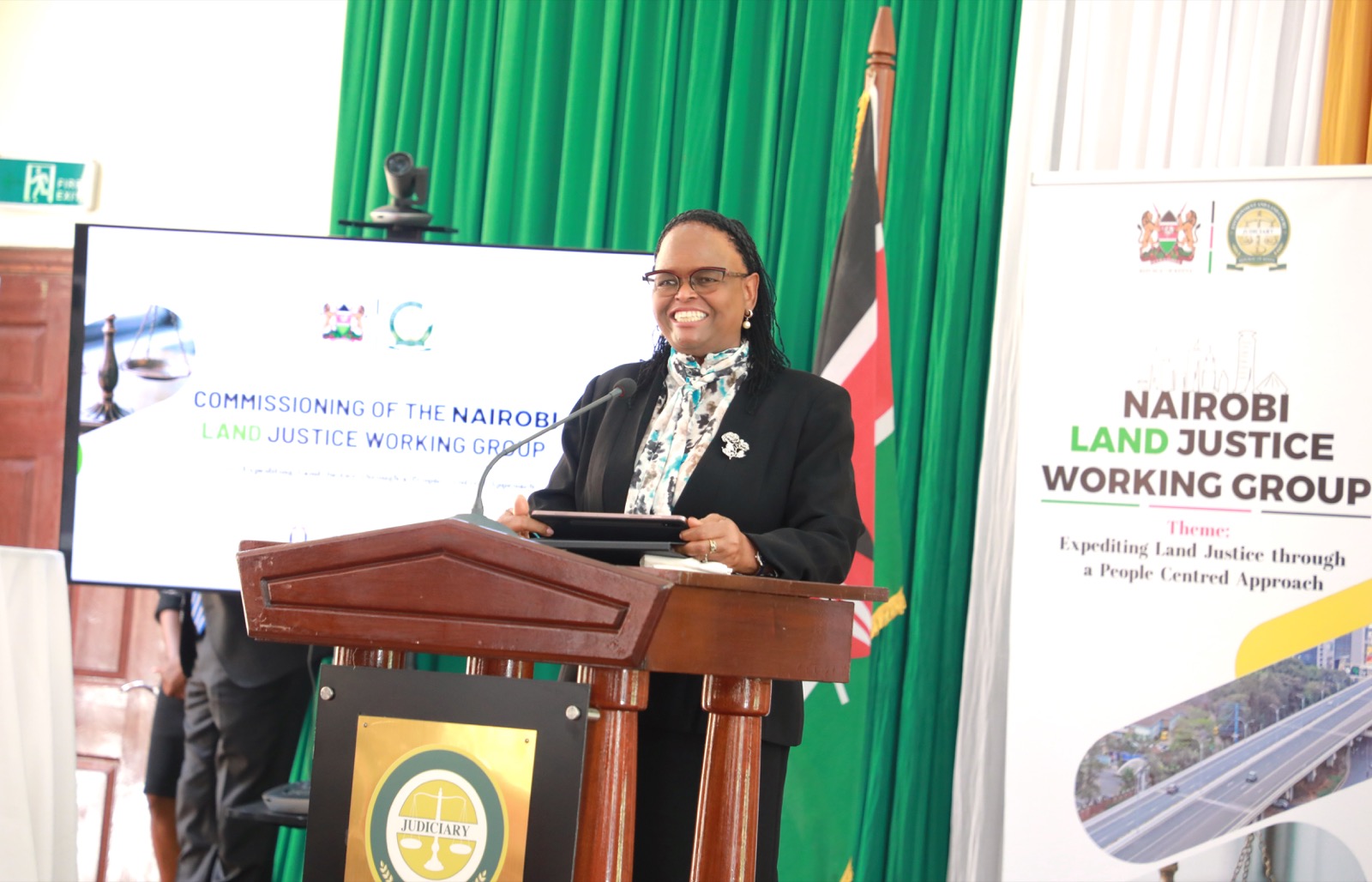
Chief Justice Martha Koome presided over the swearing-in of 18 ad hoc members of Kenya’s Political Parties Disputes Tribunal on Tuesday, 17 November, as parties prepare for the 2027 general election. The appointments give the tribunal additional members to hear cases that can determine who participates in party decisions and how disputes over candidate selection are resolved.
The ceremony was conducted by Chief Registrar of the Judiciary Winfridah Mokaya, according to The Star’s account. The Judicial Service Commission made the appointments under Section 39A of the Political Parties Act. Gazette Notice No. 17689, dated 9 November, set the effective date at 28 October, according to that account. The appointments run for one year. Nine members were named under each of two provisions cited in the notice.
The gazette date and the ceremony date refer to different stages of the appointments. The notice records the appointments and their effective date. Tuesday’s ceremony was when the members took their oaths. Koome used the occasion to link credible elections with the way parties conduct internal affairs, choose candidates, handle complaints and protect their members’ rights.
The tribunal deals with political party disputes under the Political Parties Act. Its statutory jurisdiction includes disputes between members of a party, between a member and a party, and between different parties. Its remit also includes appeals from decisions of the Registrar of Political Parties and disputes arising from party nominations. A complaint can therefore arise long before polling day, when parties are deciding who represents them or who can take part in a vote.
Internal party rules are often the first document that matters. Where the law calls for an attempt at internal resolution, the tribunal can look for evidence that a complainant tried to use a party’s dispute process. The issues can include when the complaint was lodged, what the party communicated in response and whether the party decided it within the time available. The particular route depends on the nature of the dispute and the orders sought.
Nomination disputes can move particularly quickly. The tribunal’s procedural regulations give party-primary disputes priority and tie their timing to the deadline for parties to submit candidate names to the Independent Electoral and Boundaries Commission. Under those rules, a complaint against a party’s internal decision in a primary generally has to be brought within 14 days of that decision and at least one day before the relevant submission date. The regulations also provide for the tribunal to vary time limits within its powers where justice requires it.
The tribunal’s appointment raises a practical question about how that statutory timetable works across the country. A party can face several complaints at once, each involving separate nomination records, notices or voter lists. Additional members can make it possible to convene more panels, but the swearing-in reports did not specify how the panels will be deployed, how many cases each will handle or where members will sit.
The procedure also explains why an interim application and a final decision have different consequences. A party member who seeks an order halting a meeting or nomination has asked the tribunal for temporary relief. Whether that relief is granted can affect what a party is allowed to do while a dispute proceeds. A ruling on interim relief does not necessarily resolve the underlying question of whether the party followed its constitution.
With the appointed term running into the election year, the most useful measures of additional capacity will be the tribunal’s sitting schedules, its handling of deadlines and the publication of decisions in time for parties and candidates to act. Those records will help show whether the 18 appointments translate into quicker resolution of disputes as nomination and election deadlines approach.
Photo details
WHAT TO WATCH NEXT
- Whether the tribunal publishes a sitting schedule for the new ad hoc members.
- How party membership and nomination cases progress as the 2027 polls approach.